U.S. To Gain Military Access In North Philippines Near Taiwan
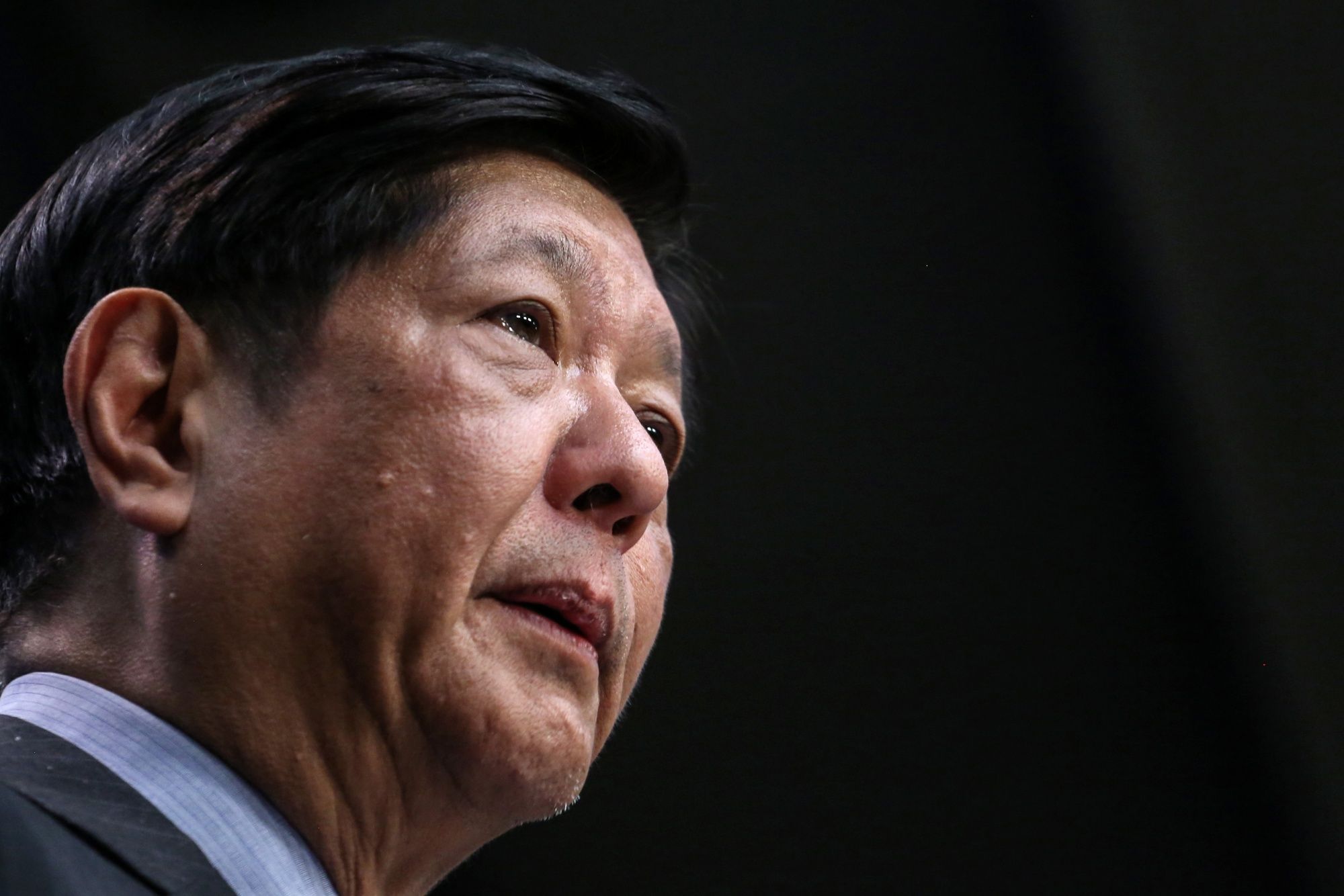
(Bloomberg) -- Philippine President Ferdinand Marcos Jr. said the U.S. will gain expanded access to military sites in northern Philippines close to Taiwan, as well as in Palawan province near South China Sea, paving the way for greater American presence in key locations as tensions with Beijing linger.
Marcos said at a televised briefing on Wednesday that the four additional sites under the Enhanced Defense Cooperation Agreement are “scattered around the Philippines” and will be identified once formalized with the U.S.
The new sites are meant to “defend” the main Luzon island's eastern coast as well as some areas in the south, the president said. Local politicians who initially opposed the sites have “come around to support” the plan to expand U.S. access after talks with the national government, he added.
The U.S. last month secured access to four more Philippine military sites amid continued tensions with Beijing over Taiwan and the South China Sea. China has criticized the plan, with its embassy in Manila describing it as part of US' attempt to “encircle and contain” Beijing.
Marcos has been bolstering his nation's longstanding defense alliance with the US that was strained under his predecessor Rodrigo Duterte. The U.S. and the Philippines are planning joint patrols in the disputed sea, and are scheduled to hold bigger military drills next month. Their top defense officials and diplomats are also set to meet in Washington mid-April.
U.S., Philippines Tout Perks of Military Deal Opposed By China
At the same briefing, the president also said that lawmakers proposing amendments to the constitution are aiming to revise economic provisions that would allow the Philippines to “take full advantage of the new economy.”
In a speech during the Philippine Army's founding anniversary celebration earlier on Wednesday, Marcos said his government remains committed to modernizing the military.
“To the army leadership, I am aware that the emerging threat to our territory and our emphasis on addressing this threat requires adjustments in our strategies,” the president said. “The external security environment is becoming more complex, it is becoming more unpredictable,” he also said while telling the soldiers to be vigilant.
More stories like this are available on bloomberg.com
©2023 Bloomberg L.P.

-
Signature Play: The Classic Cocktail Is Dead. Or Is It?

Classic cocktails are disappearing from India's cocktail menus. But they're still being ordered, taught to bartenders and borrowed from. So, who's really having the last drink?
-
A New Samvat Wishlist: Inclusive Prosperity And Human Development
India has strengthened its economic foundations through infrastructure, digital access and enterprise. Its next growth chapter must deepen productivity, create better livelihoods and widen participation in prosperity.
-
Love, Sex Aur Dhokha: The Audacious Plot To Spy On Jensen Huang
A Taipei dinner, a Singapore chip buyer and a suspected Chinese asset: inside the alleged spy operation that got close to NVIDIA's Jensen Huang.
-
Ten Things I Learnt This Samvat
Patience can be a trap. Cheap stocks can stay cheap. Leverage can wipe you out. What did Samvat 2082 teach us? Niraj Shah writes on 10 lessons from the year gone by.
-
Talking Points This Week: Tech Nerves, FII Buying, And A Faraway Banking Shock
The global markets are not shining this Diwali. The exception in the large markets is, India.
-
Midterm Rally Lasted A Day. The Hard Reality Of A Divided US May Last Two Years | Opinion
Between a contested AI boom, a debt ceiling that arrives in 2027 and a president with every incentive to act alone, the next two years may prove more volatile than the first day's rally suggests.
-
Blue Wave Will Derail the AI Trade but Won't Dismantle the AI Era | Unhedged Position
The Democrats' sweep of the US Congress will see politics collide with economic forces both over the long and short term.
-
It's Time To Take The GST Council's Bet On Trust Global
Payment records can prove India's services exports, and clear, proportionate rules can bring foreign digital sellers into the tax net.
-
Opinion | India at 38: From Innovation Overperformer to Innovation Powerhouse
India now has 453 VC-backed deep science startups, 18 of them late-stage, after 117 percent growth since 2020. Laurus Labs, at USD 9.3 billion, is the most valuable deep science company in any middle-income economy outside China.









