Two Parliamentary Panels Examine ‘Padmavati’, Bhansali Says Film Fictional
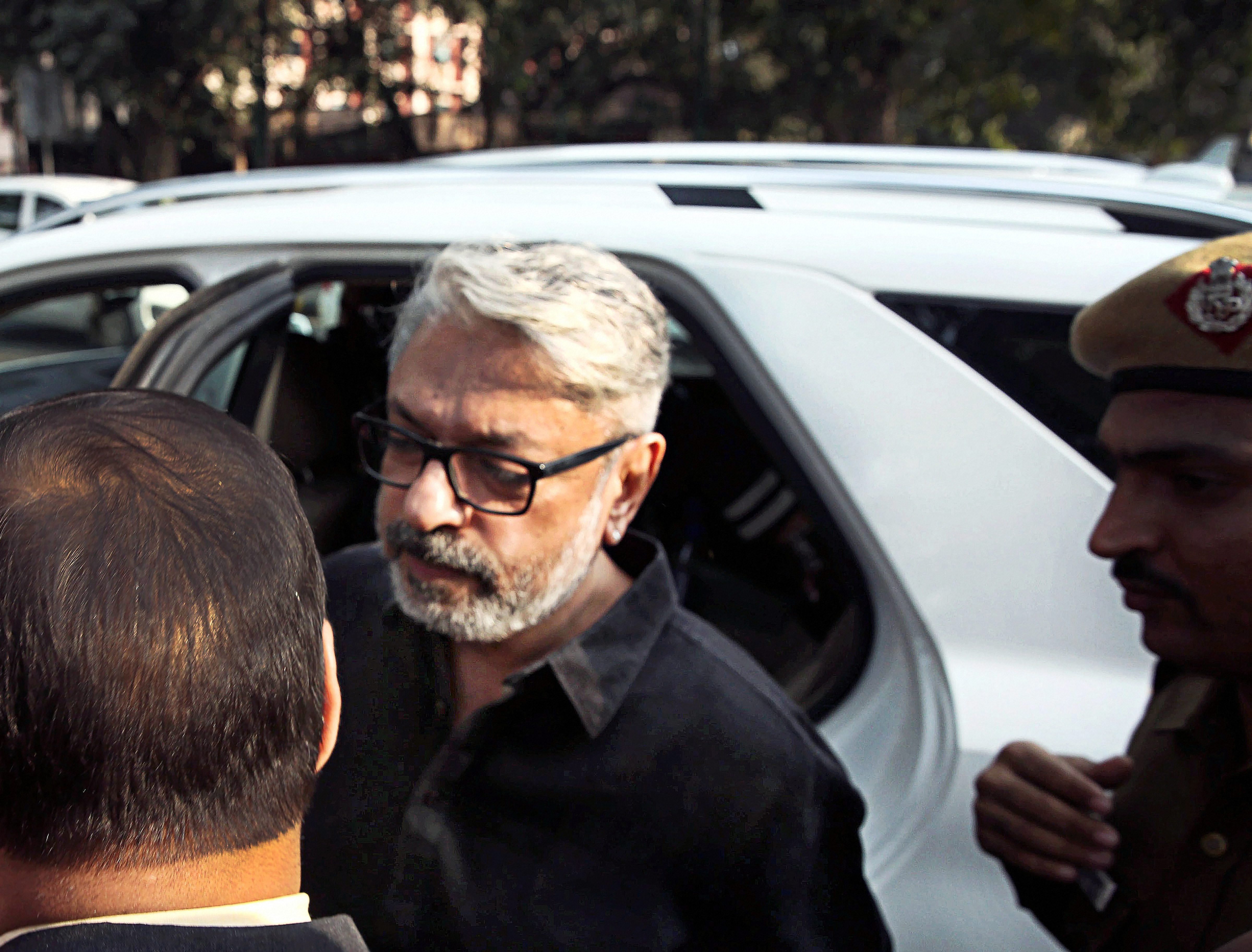
Two parliamentary panels today examined the controversy over Padmavati, as its director Sanjay Leela Bhansali, who appeared before one of them, rejected allegations that it distorted history, holding that the film was fictional and based on a nearly 500-year-old poem.
While Bhansali and censor board chief Prasoon Joshi appeared before the Parliamentary Standing Committee on Information Technology, Joshi also presented himself before the Parliamentary panel on petitions.
The standing committee on IT, which is mandated to look into issues relating to the Information and Broadcasting ministry, has given Bhansali two weeks' time to submit a written reply, an MP present at the meeting said. The two committees are headed by BJP MPs.
During his nearly 3-hour-long interaction with members of the panel, Bhansali said the film was fictional and based on Sufi poet Malik Muhammad Jayasi's poem Padmavat, believed to have been written in 1540.
The Bollywood director's response came after some members of the committee asked him how the film, depicting characters and incidents from history, could be termed fictional, the MP said. Is it not a case of distorting history, another member questioned Bhansali, the MP added. Bhansali said the controversy had been triggered by rumours.
The members asked him why the film had been screened before sections of the media, and wanted to know if it had been done to influence the censor board, sources said.
“How could you assume that the movie would be released on December 1 when you applied to the CBFC on November 11? As per the cinematography act, the CBFC may take 68 days before certifying a movie,” a member said.
Some members wanted to know if creating a controversy was a way of selling a film, the sources added. The panel said the media, including social media, was giving free space to the film because of the ongoing controversy.
The sources said a few members also claimed that Bhansali's films tend to “target” communities, triggering tensions. Censor board chief Joshi, appearing before the Parliamentary panel on petitions, said the board had not approved the film and will consult experts for this.
The Central Board of Film Certification chief further told the panel that he was yet to see the film. The process of film certification was underway, a member present at the meeting quoted Joshi as saying.
Later, Joshi also appeared before the Parliamentary standing committee on IT, headed by the BJP's Anurag Thakur. Among the members present today were senior BJP leader Lal Krishna Advani and Congress MP Raj Babbar.
Also Read: Supreme Court Rejects Plea To Delete ‘Objectionable Scenes' Of ‘Padmavati'
The Parliamentary panel on petitions is headed by Bhagat Singh Koshyari. Besides him, two BJP MPs Om Birla and CP Joshi, who had moved the petition on the issue, were present at the meeting, apart from other members.
Various Rajput groups and political leaders have accused Bhansali of distorting history by filming a romantic dream sequence between Rajput queen Padmini and Sultan Alauddin Khilji, a claim repeatedly denied by the filmmaker.
Historians are divided on whether Padmavati actually existed.
The Deepika Padukone-Shahid Kapoor-Ranveer Singh film was earlier scheduled to have been released on Dec. 1. The makers, who have deferred the release till it is cleared by the CBFC, recently applied for a 3D certification.
The sets of the film were vandalised twice – in Jaipur and Kolhapur – and director Bhansali was roughed up by members of the Karni Sena, a fringe Rajput group, earlier this year. The Karni Sena and sections of the BJP have been critical of the film, which has already been banned in some BJP-ruled states.

-
Signature Play: The Classic Cocktail Is Dead. Or Is It?

Classic cocktails are disappearing from India's cocktail menus. But they're still being ordered, taught to bartenders and borrowed from. So, who's really having the last drink?
-
A New Samvat Wishlist: Inclusive Prosperity And Human Development
India has strengthened its economic foundations through infrastructure, digital access and enterprise. Its next growth chapter must deepen productivity, create better livelihoods and widen participation in prosperity.
-
Love, Sex Aur Dhokha: The Audacious Plot To Spy On Jensen Huang
A Taipei dinner, a Singapore chip buyer and a suspected Chinese asset: inside the alleged spy operation that got close to NVIDIA's Jensen Huang.
-
Ten Things I Learnt This Samvat
Patience can be a trap. Cheap stocks can stay cheap. Leverage can wipe you out. What did Samvat 2082 teach us? Niraj Shah writes on 10 lessons from the year gone by.
-
Talking Points This Week: Tech Nerves, FII Buying, And A Faraway Banking Shock
The global markets are not shining this Diwali. The exception in the large markets is, India.
-
Midterm Rally Lasted A Day. The Hard Reality Of A Divided US May Last Two Years | Opinion
Between a contested AI boom, a debt ceiling that arrives in 2027 and a president with every incentive to act alone, the next two years may prove more volatile than the first day's rally suggests.
-
Blue Wave Will Derail the AI Trade but Won't Dismantle the AI Era | Unhedged Position
The Democrats' sweep of the US Congress will see politics collide with economic forces both over the long and short term.
-
It's Time To Take The GST Council's Bet On Trust Global
Payment records can prove India's services exports, and clear, proportionate rules can bring foreign digital sellers into the tax net.
-
Opinion | India at 38: From Innovation Overperformer to Innovation Powerhouse
India now has 453 VC-backed deep science startups, 18 of them late-stage, after 117 percent growth since 2020. Laurus Labs, at USD 9.3 billion, is the most valuable deep science company in any middle-income economy outside China.









