Three Years Of Fadnavis As Maharashtra Chief Minister: Hits And Misses
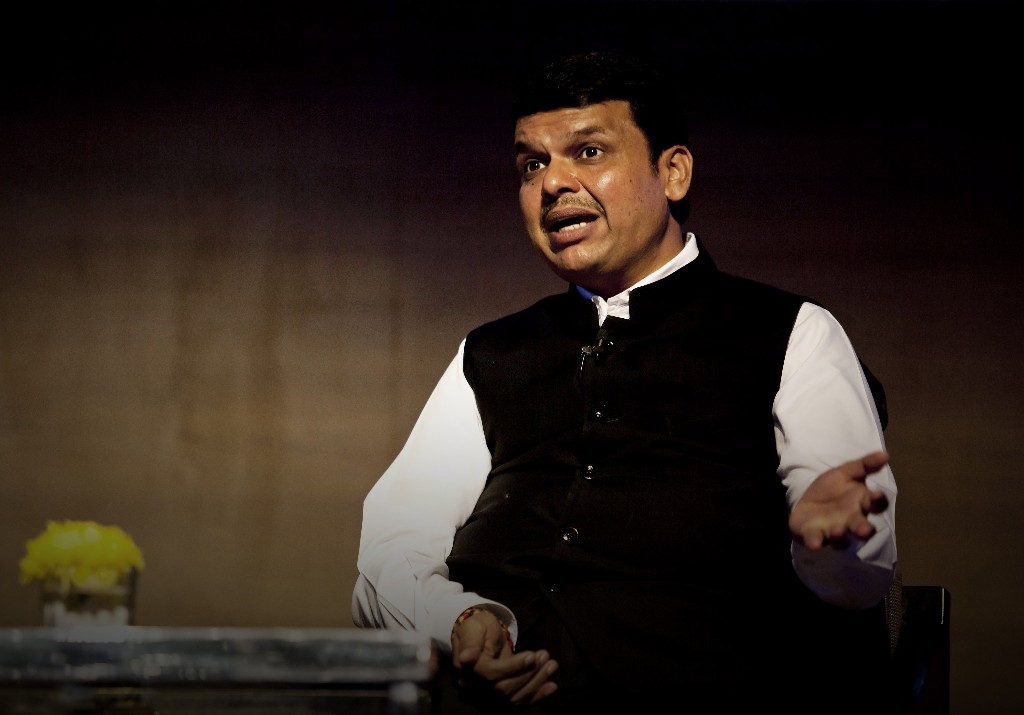
Devendra Fadnavis has completed three years as chief minister of Maharashtra, the state that's the biggest contributor to India's economic output.
His term so far has been marked by a slew of infrastructure projects, a farm loan waiver triggered by an agrarian crisis and mounting debt. Fadnavis is now betting on “investments by global companies for the much-needed boost” for the state economy. The inflows will improve civic amenities and transform the state's rural as and urban landscape, he said in an emailed response to BloombergQuint.
His predecessor Prithviraj Chavan of the Congress is not impressed. “Our hopes have been belied. Every sector of the economy is in distress,” he said.
BloombergQuint takes stock of the key indicators during Fadnavis' three years at the helm of the state that contributes about 15 percent to India's $2 trillion gross domestic product...
Big-Ticket Projects
The Bharatiya Janata Party government in the state has announced big-ticket infrastructure projects. The biggest is the 700-kilometre Mumbai-Nagpur highway to be built at a cost of Rs 46,000 crore. But the project has run into a land acquisition hurdle. The government hopes to begin the work by February.
Stalled projects like the Navi Mumbai Airport, Mumbai Coastal Road, and Trans-Harbour Link Road have received environmental clearances. The state has also secured approvals for additional metro lines in Mumbai and new ones in Pune and Nagpur. It expects to complete the projects by 2020-2022.
Maharashtra also received investment commitments worth Rs 8 lakh crore that the chief minister said would generate 30 lakh jobs. But all promises don't necessarily transform into actual inflows.
.jpg "Workers prepare reinforcing steel at the excavation site of a launching shaft for Metro Line 3, operated by the Mumbai Metro Rail Corp. (Photographer: Dhiraj Singh/Bloomberg)")
Agrarian Crisis
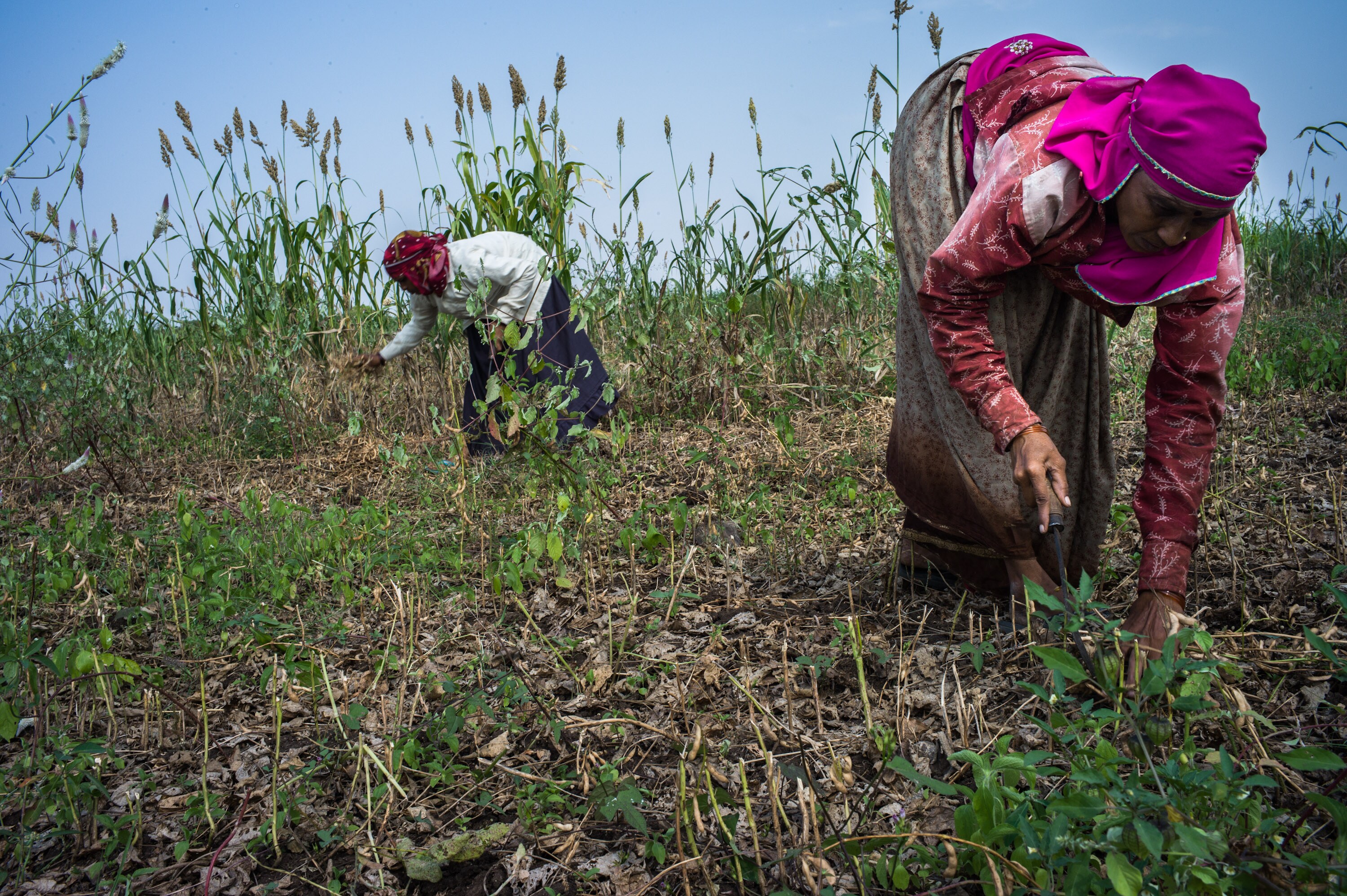
Two back-to-back droughts hurt agricultural growth in the state. The agricultural output – which contributes 10 percent to the gross state domestic product—declined 16 percent in the year to March 2015 from a growth of 12.6 percent in the previous 12 months. It has since revived and the state expects a 12.5 percent growth in agriculture and allied activities in the ongoing financial year.
“With measures like farm ponds, Jalyukta Shivar, revised administrative approvals to irrigation projects, I am confident that it will help to boost income in agriculture sector,” Fadnavis said.
Farm Loan Waiver
The slowdown in agriculture growth left the state's farmers under debt. The distress triggered demands for a farm loan waiver, especially after the BJP government in Uttar Pradesh pardoned loans to fulfill a poll campaign promise by Prime Minister Narendra Modi.
The Fadnavis government pardoned loans of Rs 1.5 lakh each for nearly 80 lakh farmers at a total cost of Rs 34,022 crore to the exchequer. The state government announced a supplementary provision of Rs 20,000 crore in the budget for the year ending March to fund the waiver.
Nearly 60 lakh farmers applied and the state released the first Rs 4,000 crore. The waiver was, however, frozen to reverify beneficiaries after 100 farmers were found to have the same Aadhaar number.
GDP Growth
When Fadnavis took office in 2014, the state was growing at 7.4 percent. The pace dropped to 5.4 percent in the following year, but has since revived. The government estimates a growth of 9.4 percent in the ongoing financial year.
“The agriculture sector is growing but industry and service sectors slowed down in 2016-17,” said Soumya Kanti Ghosh, chief economist at State Bank of India.
.jpg)
Growing Debt
Infrastructure projects and the farm loan waiver have pushed up the state's debt. When Fadnavis took charge, Maharashtra owed investors and lenders around Rs 2.94 lakh crore. Three years on, its burden has jumped 40 percent to Rs 4.13 lakh crore, according to the budget estimates for the year 2017-18.
The debt as a percentage of GSDP at 16.3 percent, however, remained stable. The fiscal deficit also remained well within the 14th Finance Commission's target of 3 percent of the GSDP.
.jpg)
“Although the fiscal deficit has improved, there is a possibility that it might go up considering the farm loan waiver and GST. As of now, it is estimated at 1.5 percent in the year to March 2018,” SBI's Ghosh said.
Besides the Rs 34,000 crore farm loan waiver, the state has to provide Rs 13,000 crore a year as compensation to municipal corporations after the rollout of the Goods and Services Tax. Wage hikes under the Seventh Pay Commission could also impact fiscal consolidation.
“The immediate challenge would be revenue mobilisation because of announcements such as farm loan waiver,” SBI's Ghosh said. “Need to see where the money would come from. Also, maintaining the debt stock is also a challenge before the government.”
Revenue and Capital Expenditure
The revenue expenditure, or the administrative costs, of the state is estimated to increase from Rs 1.78 lakh crore to Rs 2.78 lakh crore in three years to March 2018. The capital expenditure – on infrastructure and other development activities—remained 1.2-1.6 percent of the gross state domestic product.
After the farm loan waiver, the state finance department cut revenue expenditure by 30 percent and capital expenditure by 20 percent, according to a government resolution.
.jpg)

-
One Battle After Another: India's Corporate Dynasties Battle For Control

2026 could go down as Corporate India's year of succession wars, governance battles and family fault lines.
-
Rs 50-Lakh Gold In Bank Locker, Rs 3 Lakh Of Protection: The Gap Most Families Don't Know About
The RBI ties a bank's liability to the annual locker rent and families who want to insure their jewellery face a separate question about how to prove what was inside.
-
The More Food Turns Into Fuel, The Harder It Is To Read Agricultural Markets | The Reason Why
A policy designed to reduce dependence on imported fuel can create new pressures elsewhere in the food economy.
-
Your iPhone Costs 12 Grams Of Gold, A Car About 100. What Does Your Life Weigh?
Measured in rupees, almost everything looks more expensive than it did a generation ago. Measured in grams of gold, a lot of it has become cheaper.
-
Gold Is Rs 22,000 Cheaper Than A Month Ago. Should You Buy Amid The Wedding Season?
Gold's potential slide to $3,500 could save around Rs 4,700 per 10 grams, but a soft inflation print could just as easily push prices back up. One way to split the risk is to buy in parts, some now and the rest after the Fed's Dec. 9 decision.
-
AI Agents Are Gaining Power. Who Governs Them?
Artificial intelligence agents promise to transform productivity by moving machines from assisting decisions to executing them. But as organisations delegate greater authority to these AI-agents, they must first establish who controls that authority and who remains accountable when things go wrong.
-
Why Swapping Your Old Gold Can Trigger A Rs 5 Lakh Tax Bill, And How You Can Avoid It Legally
Swapping old gold for new is taxed as a sale and a fresh purchase. Getting your own gold remade can cut most of that bill, though it has its own costs.
-
The AI Trade is Done. The Real Opportunity for Investors Starts in 2027 | Unhedged Position
As pureplay AI stocks plunge and circular, capex-led financing unwinds, 2027 is set to be a year of reckoning for AI companies. Yet the bust clears the way for a better opportunity for investors in 2027 -- shifting the spotlight from AI builders to the companies using AI.
-
Leadership As Mission: Why The Age Of AI Demands More Human Leadership
Debjani Ghosh examines how AI is changing leadership, arguing that its success must be measured by its impact on people and the accountability of those guiding its use.
-
We May Need Another Tukaram Mundhe To Fight Air Pollution | The Reason Why
Developers may install basic measures such as sprinklers and green nets, resume work, and continue violating rules when this equipment stops working.









