Supreme Court Rejects Jaiprakash Associates’ Plea To Deposit Rs 400 Crore For Homebuyers
.jpg?downsize=1010:568 "Supreme Court Rejects Jaiprakash Associates’ Plea To Deposit Rs 400 Crore For Homebuyers")
The Supreme Court today refused to allow Jaiprakash Associates Ltd. to deposit to Rs 400 crore with its registry as against Rs 2,000 crore directed by it, and asked the real estate firm to submit a substantial amount to prove its bonafide.
The real estate firm which was asked on September 11 to deposit Rs 2,000 crore with the apex court registry by Oct. 27, rushed to the top court, saying no company possessed such a huge amount of ‘liquid' fund and urged that it should be allowed to deposit Rs 400 crore by Friday.
A bench headed by Chief Justice Dipak Misra said Rs 400 crore was a paltry sum and the firm will have to deposit substantial amount to establish its bonafide.
“Arrange whatever money you can arrange, but it must be a bonafide exercise,” the bench, which also comprised Justices AM Khanwilkar and DY Chandrachud, said when the counsel for the firm said the shareholders' consent would be needed to sell the group assets. The bench then said that the firm may consider depositing at least Rs 1,000 crore by Nov. 13 with its registry.
Also Read: Supreme Court Refuses Nod To JP Associates For Yamuna Expressway Sale
The top court had on Sept. 11 directed the Jaypee Associates to deposit Rs 2,000 crore by Oct. 27 and asked the National Company Law Tribunal-appointed interim resolution professional to take over its management and work out a plan to protect the interests of homebuyers and creditors.
It had also restrained the managing director and directors of Jaypee Infratech Ltd. from travelling abroad without its permission and asked the parent company, Jaypee Associates, to deposit the money.
The top court had asked Jaypee Infratech to hand over the records to the IRP for drafting of a resolution plan indicating protection of interests of over 32,000 hassled homebuyers and creditors. It had also stayed any other proceedings instituted against Jaypee Infratech for any purpose in any forum like the consumer commission, as IRP has been given control of the company's management.
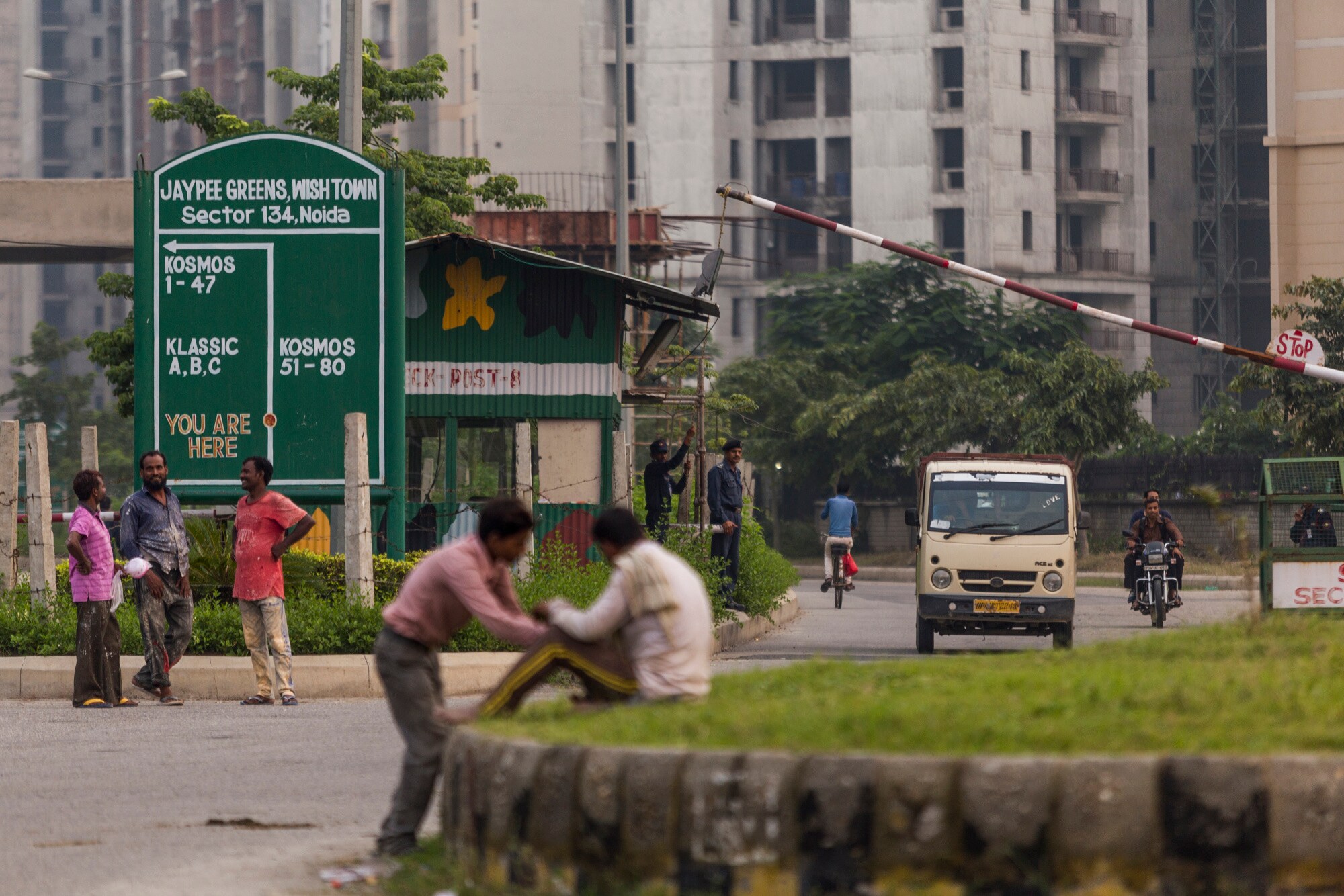
The court had allowed Jaypee Associates to raise Rs 2,000 crore by selling land or properties and deposit them in the apex court registry by Oct. 27.
The court had appointed senior advocate Shekhar Naphade as amicus curiae to assist the proceedings of the IRP, which will submit a resolution plan indicating how to safeguard the interest of homebuyers and secured creditors.
Additional Solicitor General Tushar Mehta, appearing for Insolvency and Bankruptcy Board, had said that 627 units have been delivered to homebuyers since the proceedings against the company began.
Also Read: Stranded Homebuyers Of Jaypee Infra Prompt Dilution Of Insolvency Code?
Homebuyers including one Chitra Sharma had moved the apex court saying that around 32,000 people had booked their flats and they are now dying and paying the installments.
The top court had on Sept. 4 stayed the insolvency proceedings against the real estate firm at the NCLT.
Flat buyers, under the Insolvency and Bankruptcy Code of 2016, do not fall in the category of secured creditors like banks and hence they can get back their money only if something is left after repaying the secured and operational creditors, Sharma, in her plea, said.
Hundreds of home buyers have been left in the lurch after the NCLT, on August 10, admitted the IDBI Bank Ltd.'s plea to initiate insolvency proceedings against the debt-ridden realty company for defaulting on a Rs 526 crore loan, the plea said.

-
One Battle After Another: India's Corporate Dynasties Battle For Control

2026 could go down as Corporate India's year of succession wars, governance battles and family fault lines.
-
Rs 50-Lakh Gold In Bank Locker, Rs 3 Lakh Of Protection: The Gap Most Families Don't Know About
The RBI ties a bank's liability to the annual locker rent and families who want to insure their jewellery face a separate question about how to prove what was inside.
-
The More Food Turns Into Fuel, The Harder It Is To Read Agricultural Markets | The Reason Why
A policy designed to reduce dependence on imported fuel can create new pressures elsewhere in the food economy.
-
Your iPhone Costs 12 Grams Of Gold, A Car About 100. What Does Your Life Weigh?
Measured in rupees, almost everything looks more expensive than it did a generation ago. Measured in grams of gold, a lot of it has become cheaper.
-
Gold Is Rs 22,000 Cheaper Than A Month Ago. Should You Buy Amid The Wedding Season?
Gold's potential slide to $3,500 could save around Rs 4,700 per 10 grams, but a soft inflation print could just as easily push prices back up. One way to split the risk is to buy in parts, some now and the rest after the Fed's Dec. 9 decision.
-
AI Agents Are Gaining Power. Who Governs Them?
Artificial intelligence agents promise to transform productivity by moving machines from assisting decisions to executing them. But as organisations delegate greater authority to these AI-agents, they must first establish who controls that authority and who remains accountable when things go wrong.
-
Why Swapping Your Old Gold Can Trigger A Rs 5 Lakh Tax Bill, And How You Can Avoid It Legally
Swapping old gold for new is taxed as a sale and a fresh purchase. Getting your own gold remade can cut most of that bill, though it has its own costs.
-
The AI Trade is Done. The Real Opportunity for Investors Starts in 2027 | Unhedged Position
As pureplay AI stocks plunge and circular, capex-led financing unwinds, 2027 is set to be a year of reckoning for AI companies. Yet the bust clears the way for a better opportunity for investors in 2027 -- shifting the spotlight from AI builders to the companies using AI.
-
Leadership As Mission: Why The Age Of AI Demands More Human Leadership
Debjani Ghosh examines how AI is changing leadership, arguing that its success must be measured by its impact on people and the accountability of those guiding its use.
-
We May Need Another Tukaram Mundhe To Fight Air Pollution | The Reason Why
Developers may install basic measures such as sprinklers and green nets, resume work, and continue violating rules when this equipment stops working.









