Supreme Court Asks RBI To Make Critical Bank Inspection Reports Public
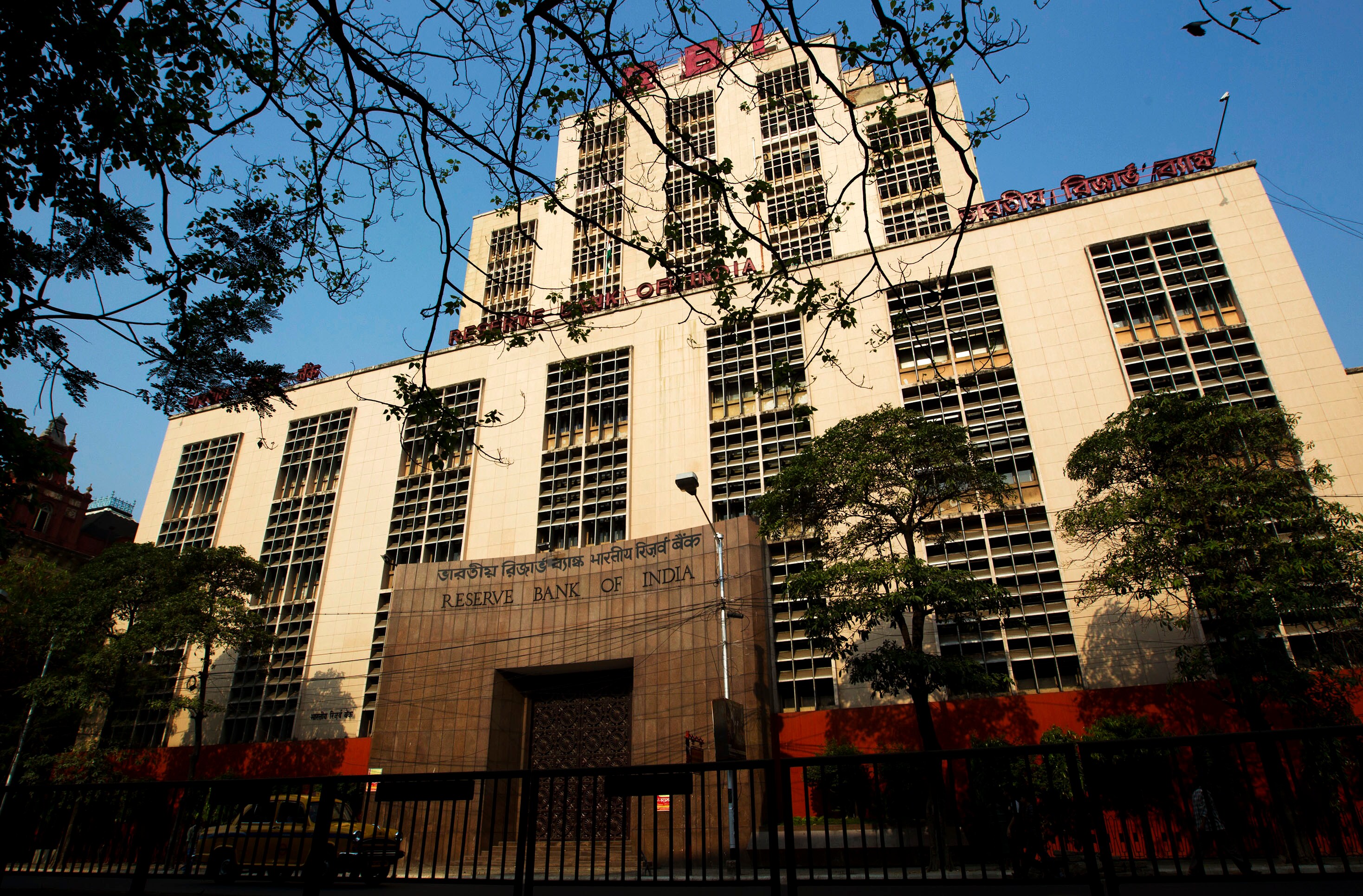
The Supreme Court asked the Reserve Bank of India to comply with its 2015 judgment to make its annual inspection reports of banks public—information that banking experts said can be damaging if used out of context.
A bench of Justice L Nageswara Rao and Justice MR Shah rejected the argument of the central bank that it has a fiduciary relationship with the lenders—in this case ICICI Bank Ltd., HDFC Bank Ltd., and State Bank of India—and therefore the information sought was exempted under the Right to Information Act. The RBI said that the disclosure will adversely affect the banks' competitive position but the court rejected the argument.
“It is unfortunate because nowhere in the world have I heard of any regulator having to make their inspection reports public,” R Gandhi, former deputy governor at the RBI, told BloombergQuint. “This is a comprehensive and holistic report on the banks' performance and when it is made public people can take it out of context, which could lead to an unnecessary loss of confidence in banks.”
The top court's verdict came while hearing a contempt plea against the RBI for not providing the inspection reports as well as other information sought by petitioners. This includes information on audits and surveys the regulator conducts on various aspects from financials, IT systems, cybersecurity to credit policies and governance at banks.
The top court said it could have found the RBI to be guilty of contempt but gave it one last opportunity to withdraw the disclosure policy as well as provide all information relating to inspection reports except that is exempted on grounds of “having a bearing on the security of the state”. “The respondents are duty-bound to furnish all information relating to inspection reports and other material apart from the material that was exempted in para 77 of the judgment. Any further violation shall be viewed seriously by this court,” the court said.
Gandhi said in an inspection report the regulator analyses millions of transactions and maybe some won't conform to regulations, and people can draw different meanings which may not be correct. But given that this is a Supreme Court ruling, he said, the RBI will have to follow it.
The top court order came along with its direction to disclose the names of wilful defaulters. Gandhi said the RBI has been maintaining list of wilful defaulters since late 1990s. “The wilful defaulter list is not in dispute at all, the problem is asking for a list of any and all defaulters.”
The former head of a large bank told BloombergQuint that standards that the regulator sets for inspections are very high and not practical in the real world. If a bank has 100 million accounts and the KYC in 0.2 percent is not complete, the RBI says the KYC process is very poor, the person said on the condition of anonymity. But in the real world, the banker said, 99.8 percent is a great ratio to maintain on something like KYC.
And the RBI may point out risks in a corporate account but banks can always go back and clarify that those risks have been mitigated, the banker said. That's why releasing inspection reports at the RBI level could lead to a lot of misinformation in the public domain, impacting the borrower and the bank since this information is very price sensitive.
According to a former executive director at a public sector bank, it depends on how this sensitive information is used. Releasing the reports will bring more transparency to banks and their managements will be forced to act on any issues that the regulators find, he said. But the information, according to him, can be misused and can be damaging to a bank.

-
Gold Is Rs 22,000 Cheaper Than A Month Ago. Should You Buy Amid The Wedding Season?

Gold's potential slide to $3,500 could save around Rs 4,700 per 10 grams, but a soft inflation print could just as easily push prices back up. One way to split the risk is to buy in parts, some now and the rest after the Fed's Dec. 9 decision.
-
AI Agents Are Gaining Power. Who Governs Them?
Artificial intelligence agents promise to transform productivity by moving machines from assisting decisions to executing them. But as organisations delegate greater authority to these AI-agents, they must first establish who controls that authority and who remains accountable when things go wrong.
-
Why Swapping Your Old Gold Can Trigger A Rs 5 Lakh Tax Bill, And How You Can Avoid It Legally
Swapping old gold for new is taxed as a sale and a fresh purchase. Getting your own gold remade can cut most of that bill, though it has its own costs.
-
The AI Trade is Done. The Real Opportunity for Investors Starts in 2027 | Unhedged Position
As pureplay AI stocks plunge and circular, capex-led financing unwinds, 2027 is set to be a year of reckoning for AI companies. Yet the bust clears the way for a better opportunity for investors in 2027 -- shifting the spotlight from AI builders to the companies using AI.
-
Leadership As Mission: Why The Age Of AI Demands More Human Leadership
Debjani Ghosh examines how AI is changing leadership, arguing that its success must be measured by its impact on people and the accountability of those guiding its use.
-
We May Need Another Tukaram Mundhe To Fight Air Pollution | The Reason Why
Developers may install basic measures such as sprinklers and green nets, resume work, and continue violating rules when this equipment stops working.
-
Extracting Value From Battery Scrap Could Be Challenging For India | The Reason Why
A discarded lithium-ion battery still contains valuable materials such as lithium, nickel and cobalt. These can be recovered and reused. When such batteries are crushed and shredded, they produce a dark powder called black mass.
-
One El Nino, India Can Handle. Two Could Break The Granary
India's grain stocks can absorb one bad year, but a second El Nino could drain the buffer in two to three years, economists say.
-
India's Troika Of Good Luck | Joining The Dots
As Jensen Huang's exit drags Nvidia down, a cooling AI trade and resilient earnings have revived investor interest in India. A likely RBI rate hike looms.
-
Talking Points This Week: Leadership Shock At Nvidia, Earnings Strength, And The Fog Over Hormuz
The Anthropic IPO pricing and first trading day, Nvidia's upcoming earnings, and any fresh signals from Iran will set the tone for the following week.









