Supreme Court Agrees To Hear Plea Seeking Regulation Of News Channels
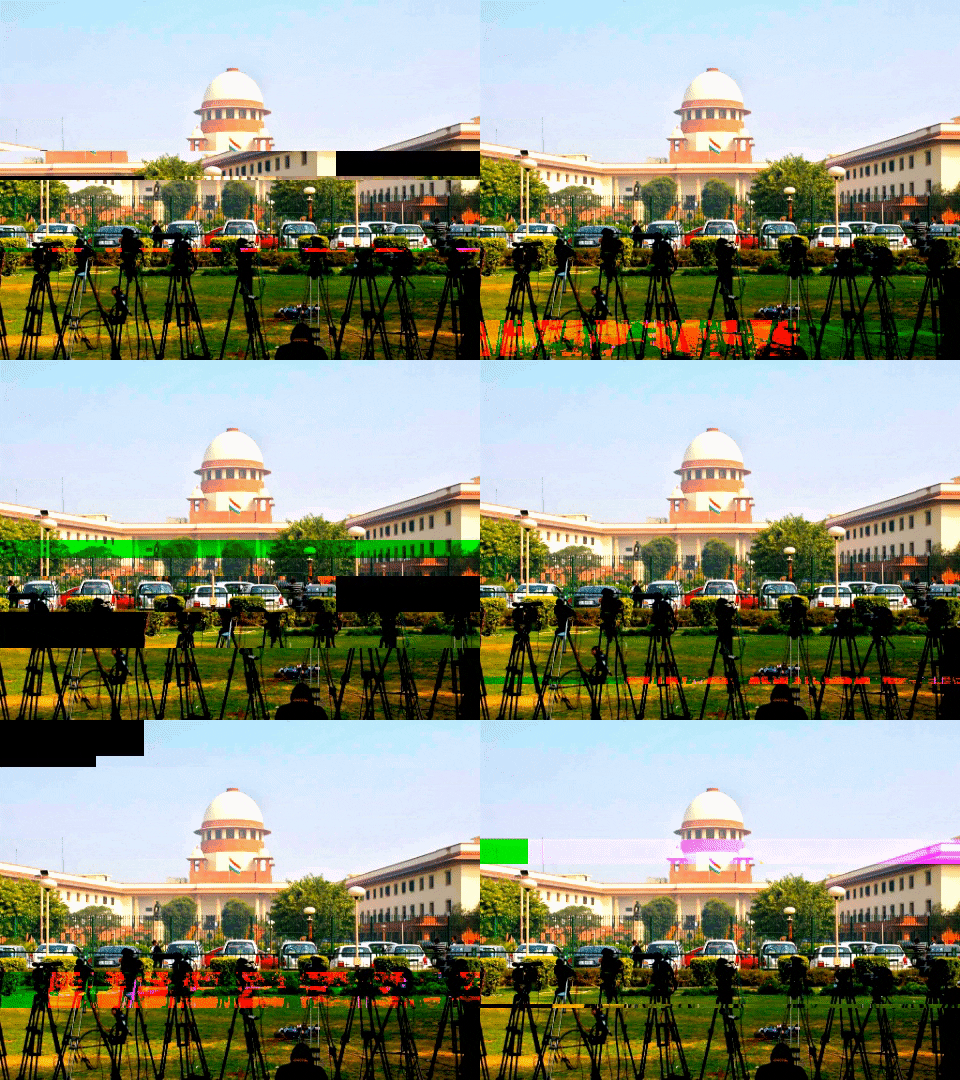
The Supreme Court agreed to hear a petition seeking directions to the government to ensure regulation of electronic media in the country.
A bench headed by Chief Justice of India SA Bobde issued notice to the central government, seeking a response within four weeks.
The petition, filed by Delhi-based lawyer Reepak Kansal, says that sections of electronic media "have been spreading negativity and enmity among the different communities of the nation". Citing coverage of the 26/11 Mumbai terror attacks, the Palghar lynching, Tablighi Jamaat issue and Ayodhya Ram Mandir hearing, among others, he argues in favour of the need to regulate electronic media.
The Supreme Court in the last few months has seen a number of petitions regarding the press and its rights. Journalists like Siddharth Varadarajan, Vinod Dua and television anchors Arnab Goswami and Amish Devgan have moved the court after criminal complaints were registered against them for their coverage. Some petitions even criticised the media's coverage of the Covid-19 pandemic. Yet, the freedom of press is part of the fundamental right to free speech guaranteed under the constitution.
The petition, however, says the right to free speech is not absolute. There are restrictions on this right and it does not allow anyone to assassinate the dignity of individuals, political and religious organisations, or make statements that injure the reputation of another.
"Some of these said electronic broadcasting channels claimed to be news channels/press, have been spreading negativity and enmity among the different communities of the nation," the petition says.
It also raises the issue of media trial, saying it violates the rights of the people to a fair trial. The media trial shapes the mind of general public against an accused, making it difficult for the person to live with dignity in society, it says.
According to the petition, the present statutory regime does not provide adequate regulation for electronic channels as they are neither covered under the Press Council of India Act, nor under other laws governing the press. The Telegraph Act that governs these channels was not formulated keeping in mind the television space and does not provide adequate regulation, it says.
"No law is enacted or amended till today to bring broadcasting employees/anchors in the definition of journalist and electronic broadcasting channels in the definitions of ‘press' or journalist,'' says the petition.
The petitioner argues that the electronic media is self-regulated through bodies such as News Broadcasters Association or the News Broadcasting Standards Authority, which do not have any statutory powers. The petition asks the government to constitute an independent broadcast regulatory authority.
It will come up for hearing after four weeks.

-
Talking Points This Week: Leadership Shock At Nvidia, Earnings Strength, And The Fog Over Hormuz

The Anthropic IPO pricing and first trading day, Nvidia's upcoming earnings, and any fresh signals from Iran will set the tone for the following week.
-
Signature Play: The Classic Cocktail Is Dead. Or Is It?
Classic cocktails are disappearing from India's cocktail menus. But they're still being ordered, taught to bartenders and borrowed from. So, who's really having the last drink?
-
A New Samvat Wishlist: Inclusive Prosperity And Human Development
India has strengthened its economic foundations through infrastructure, digital access and enterprise. Its next growth chapter must deepen productivity, create better livelihoods and widen participation in prosperity.
-
Love, Sex Aur Dhokha: The Audacious Plot To Spy On Jensen Huang
A Taipei dinner, a Singapore chip buyer and a suspected Chinese asset: inside the alleged spy operation that got close to NVIDIA's Jensen Huang.
-
Ten Things I Learnt This Samvat
Patience can be a trap. Cheap stocks can stay cheap. Leverage can wipe you out. What did Samvat 2082 teach us? Niraj Shah writes on 10 lessons from the year gone by.
-
Talking Points This Week: Tech Nerves, FII Buying, And A Faraway Banking Shock
The global markets are not shining this Diwali. The exception in the large markets is, India.
-
Midterm Rally Lasted A Day. The Hard Reality Of A Divided US May Last Two Years | Opinion
Between a contested AI boom, a debt ceiling that arrives in 2027 and a president with every incentive to act alone, the next two years may prove more volatile than the first day's rally suggests.
-
Blue Wave Will Derail the AI Trade but Won't Dismantle the AI Era | Unhedged Position
The Democrats' sweep of the US Congress will see politics collide with economic forces both over the long and short term.
-
It's Time To Take The GST Council's Bet On Trust Global
Payment records can prove India's services exports, and clear, proportionate rules can bring foreign digital sellers into the tax net.
-
Opinion | India at 38: From Innovation Overperformer to Innovation Powerhouse
India now has 453 VC-backed deep science startups, 18 of them late-stage, after 117 percent growth since 2020. Laurus Labs, at USD 9.3 billion, is the most valuable deep science company in any middle-income economy outside China.









