Static Societies Are Doomed Societies: Raghuram Rajan On Ashoka Resignation Row
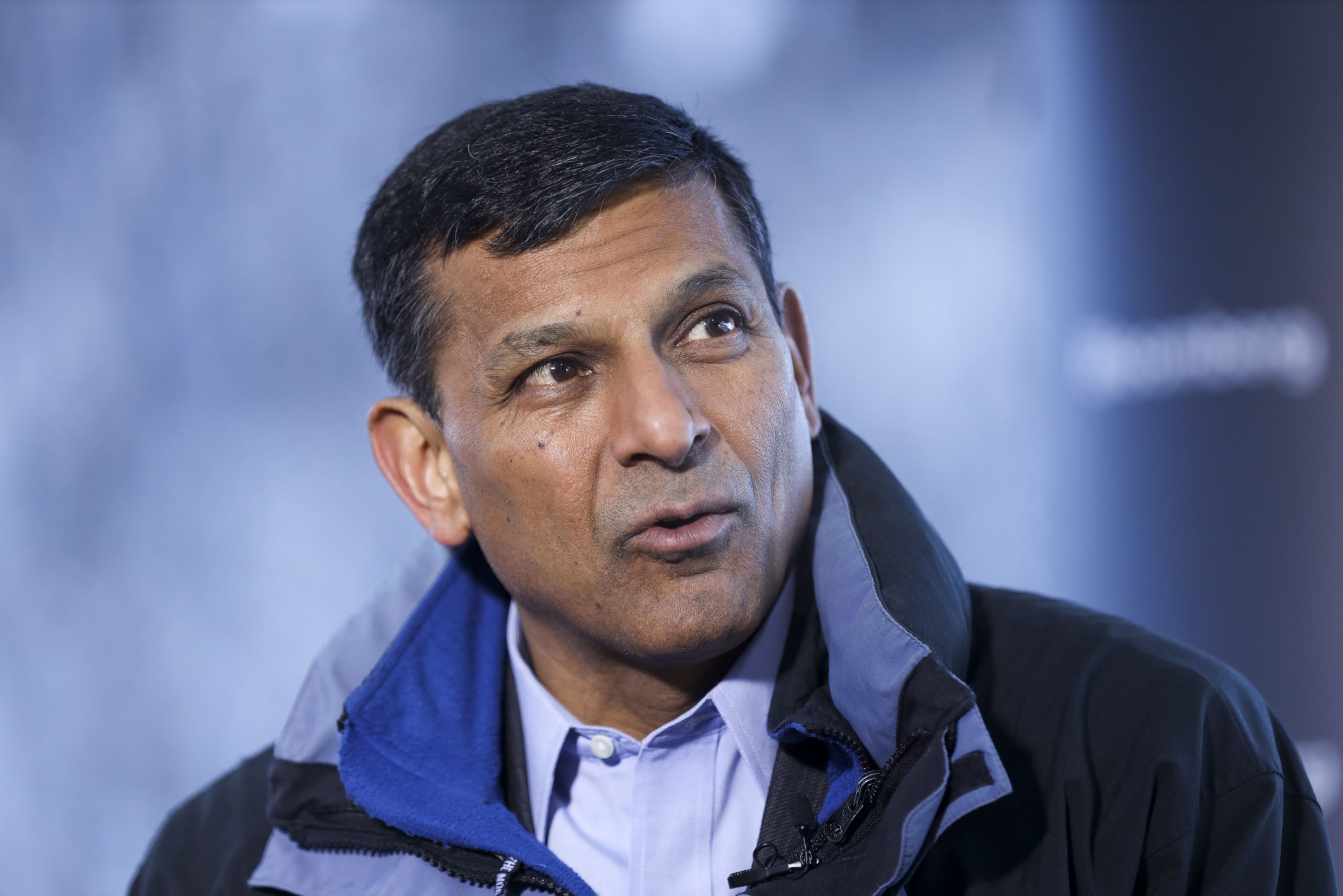
Raghuram Rajan has termed academicians Pratap Bhanu Mehta and Arvind Subramanian's resignation from the Ashoka University as a setback to free speech and liberalism in India.
A good university is one that creates an environment where ideas for progress and change arise, the former Reserve Bank of India governor said in a Linkedin blog post on Friday. “Static societies where criticism is silenced are doomed societies, which eventually succumb to the weight of their authoritarianism and groupthink,” he said.
On Tuesday, Mehta, a political scientist, stepped down as professor in the department of economics, stating in his resignation letter to the university's Vice Chancellor Malabika Sarkar that his “public writing in support of a politics that tries to honour constitutional values of freedom and equal respect for all citizens, is perceived to carry risks for the university.”
That followed the exit of the former chief economic adviser. In a letter to Sarkar, he said, “That even Ashoka—with its private status and backing by private capital—can no longer provide a space for academic expression and freedom is ominously disturbing.”
Citing a report by University of Chicago's Kalven Committee, Rajan said universities should not take political sides. “...the role of a great university is to provide a protected space for its academicians and students to engage freely in open public debate, much as Indian universities like Nalanda and Taxila used to,” he said.
The university's founders, according to Rajan, should have realised that their mission was not to take political sides but to continue to protect the right of people like professor Mehta to speak, for in doing so, they were enabling Ashoka to make its greatest contribution to India's wellbeing — identifying what is going wrong and encouraging us all to remedy it.”
If Ashoka's founders believe they have compromised with the powers that be in the greater interests of the university, they are wrong. Free speech is the soul of a great university. By compromising on it, the founders have bartered away its soul. And if you show a willingness to barter your soul, is there any chance the pressures will go away? This is indeed a sad development for India.Raghuram Rajan, University Of Chicago Booth School Of Business
The resignations have created a stir among the students and faculty of the privately-funded liberal arts institute, who sent two strongly-worded statements to the vice-chancellor, and staged demonstrations inside the campus.
The event also garnered support from academics and scholars from across the world who wrote an open letter to the trustees of Ashoka University, expressing their “distress” over the resignations.
Rajan said that Mehta, as a true academic, is an “equal opportunity critic” and hoped that he would continue to be one of the intellectual leaders of liberalism in India. “Yet liberalism has been set back by the actions of Ashoka University. It's unclear what exactly motivated Ashoka's founders to remove their hitherto laudable protection.”

-
We May Need Another Tukaram Mundhe To Fight Air Pollution | The Reason Why

Developers may install basic measures such as sprinklers and green nets, resume work, and continue violating rules when this equipment stops working.
-
Extracting Value From Battery Scrap Could Be Challenging For India | The Reason Why
A discarded lithium-ion battery still contains valuable materials such as lithium, nickel and cobalt. These can be recovered and reused. When such batteries are crushed and shredded, they produce a dark powder called black mass.
-
One El Nino, India Can Handle. Two Could Break The Granary
India's grain stocks can absorb one bad year, but a second El Nino could drain the buffer in two to three years, economists say.
-
India's Troika Of Good Luck | Joining The Dots
As Jensen Huang's exit drags Nvidia down, a cooling AI trade and resilient earnings have revived investor interest in India. A likely RBI rate hike looms.
-
Talking Points This Week: Leadership Shock At Nvidia, Earnings Strength, And The Fog Over Hormuz
The Anthropic IPO pricing and first trading day, Nvidia's upcoming earnings, and any fresh signals from Iran will set the tone for the following week.
-
Signature Play: The Classic Cocktail Is Dead. Or Is It?
Classic cocktails are disappearing from India's cocktail menus. But they're still being ordered, taught to bartenders and borrowed from. So, who's really having the last drink?
-
A New Samvat Wishlist: Inclusive Prosperity And Human Development
India has strengthened its economic foundations through infrastructure, digital access and enterprise. Its next growth chapter must deepen productivity, create better livelihoods and widen participation in prosperity.
-
Love, Sex Aur Dhokha: The Audacious Plot To Spy On Jensen Huang
A Taipei dinner, a Singapore chip buyer and a suspected Chinese asset: inside the alleged spy operation that got close to NVIDIA's Jensen Huang.
-
Ten Things I Learnt This Samvat
Patience can be a trap. Cheap stocks can stay cheap. Leverage can wipe you out. What did Samvat 2082 teach us? Niraj Shah writes on 10 lessons from the year gone by.
-
Talking Points This Week: Tech Nerves, FII Buying, And A Faraway Banking Shock
The global markets are not shining this Diwali. The exception in the large markets is, India.









