South India's Key Reservoirs Hold Just 17% Of Their Total Live Storage Capacity Of Water
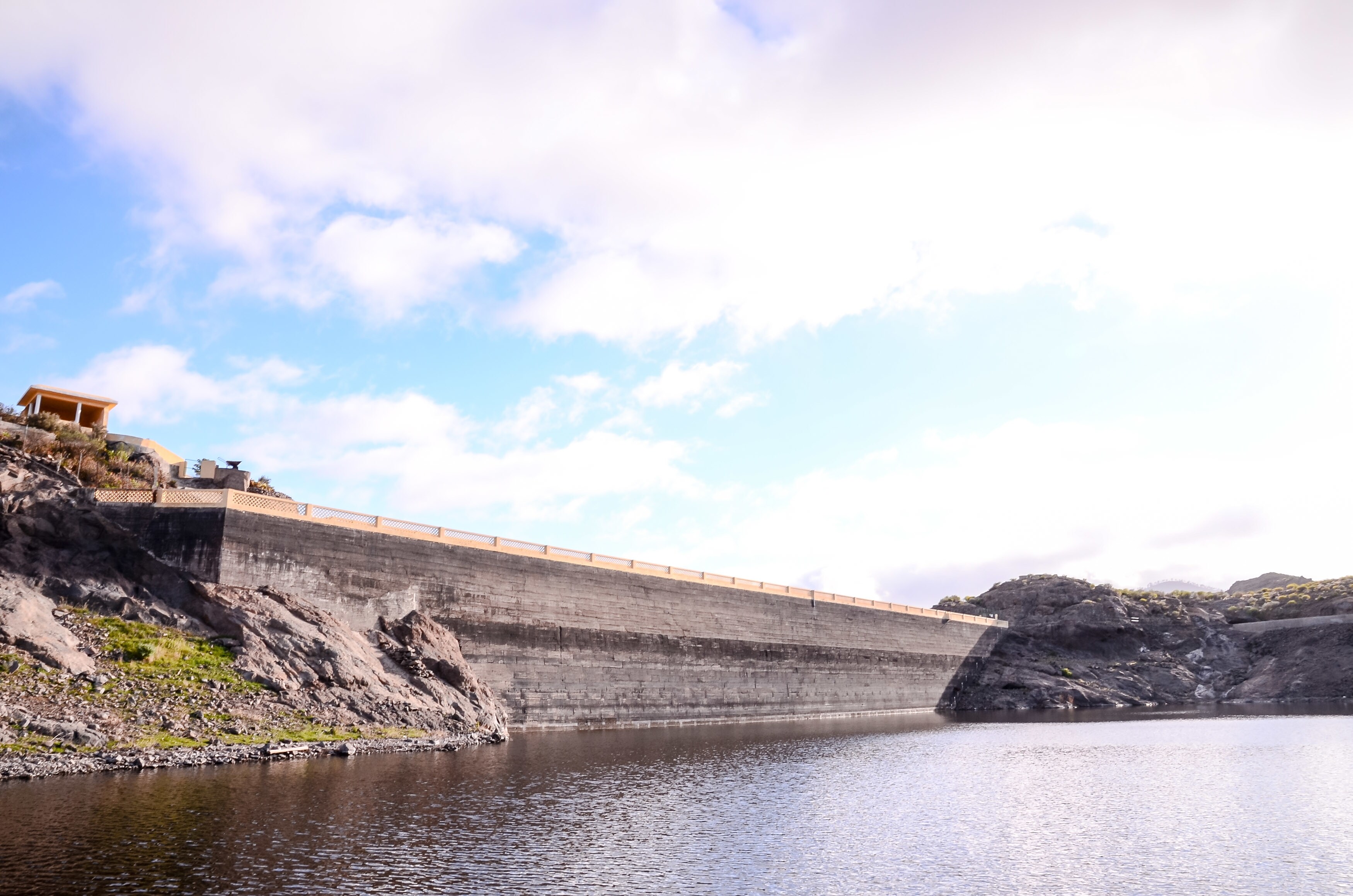
The total live storage in key reservoirs in South India is at its lowest, indicating greater chances of a water shortage in parts of the region should the south-west monsoons see a delayed onset.
Live storage available in 150 key reservoirs across India is at 30% of the live storage capacity of these reservoirs, or about 53.4 billion cubic metres, as of April 25, according to weekly data published by the Central Water Commission. This compares to 64.8 BCM for the corresponding period a year ago and an average of 55.5 BCM over the last 10 years. As such, the live storage available is 82% of the live storage of the corresponding period of last year and 96% of the average storage of the last 10 years.
However, in the southern region, the live storage status is the lowest.
Northern region: The total live storage available is 32% of the total live storage capacity of these reservoirs—less than the corresponding period of last year and the average storage of the last 10 years.
Eastern region: Total live storage available is 39% of the total live storage capacity of these reservoirs—better than the corresponding period of last year and the average storage of the last 10 years.
Western region: The total live storage available is 31.7% of the total live storage capacity of these reservoirs—less than the corresponding period of last year and the average storage of the last 10 years.
Central region: Total live storage available is 39% of the total live storage capacity of these reservoirs—less than the storage of last year but better than the average storage of the last 10 years.
Southern region: The total live storage available is 17% of total live storage capacity of these reservoirs—less than the storage of last year and the average storage of last 10 years.
CWC's weekly reservoir storage bulletin indicates that current levels for all of India are at 30% of live storage, which, though low, is in line with historic data for the summer months, said Sahana Goswami, senior program manager of water resilience at World Resources Institute India. However, there is a significant regional variation, with reservoirs in the Southern region accounting for 17% of live storage, compared to 29% in 2023.
In 36 of the 42 reservoirs in the south, reservoir levels are at 40% or below, with reservoirs in Andhra Pradesh, Karnataka, and Kerala seeing the maximum departures from the decadal average.
Reservoir storage in the south has also declined because of below-normal rainfall in the region in 2023. According to the India Meteorological Department, rainfall in the south peninsula was 92% of the LPA in 2023, compared to 94.4% of the LPA for all India.
Normal rainfall ranges between 94% and 106% of LPA.
Storage is deficient in Cauvery and highly deficient in east flowing rivers between Mahanadi and Pennar, east flowing rivers between Pennar and Kanyakumari and Pennar, according to the bulletin.
Regions depending on these reservoirs and river basins should initiate demand management practices across varied water uses to ensure that water can be prioritised for critical human and ecological needs through the rest of summer and until the monsoon rains begin replenishing the reservoirs, Goswami said.

-
Signature Play: The Classic Cocktail Is Dead. Or Is It?

Classic cocktails are disappearing from India's cocktail menus. But they're still being ordered, taught to bartenders and borrowed from. So, who's really having the last drink?
-
A New Samvat Wishlist: Inclusive Prosperity And Human Development
India has strengthened its economic foundations through infrastructure, digital access and enterprise. Its next growth chapter must deepen productivity, create better livelihoods and widen participation in prosperity.
-
Love, Sex Aur Dhokha: The Audacious Plot To Spy On Jensen Huang
A Taipei dinner, a Singapore chip buyer and a suspected Chinese asset: inside the alleged spy operation that got close to NVIDIA's Jensen Huang.
-
Ten Things I Learnt This Samvat
Patience can be a trap. Cheap stocks can stay cheap. Leverage can wipe you out. What did Samvat 2082 teach us? Niraj Shah writes on 10 lessons from the year gone by.
-
Talking Points This Week: Tech Nerves, FII Buying, And A Faraway Banking Shock
The global markets are not shining this Diwali. The exception in the large markets is, India.
-
Midterm Rally Lasted A Day. The Hard Reality Of A Divided US May Last Two Years | Opinion
Between a contested AI boom, a debt ceiling that arrives in 2027 and a president with every incentive to act alone, the next two years may prove more volatile than the first day's rally suggests.
-
Blue Wave Will Derail the AI Trade but Won't Dismantle the AI Era | Unhedged Position
The Democrats' sweep of the US Congress will see politics collide with economic forces both over the long and short term.
-
It's Time To Take The GST Council's Bet On Trust Global
Payment records can prove India's services exports, and clear, proportionate rules can bring foreign digital sellers into the tax net.
-
Opinion | India at 38: From Innovation Overperformer to Innovation Powerhouse
India now has 453 VC-backed deep science startups, 18 of them late-stage, after 117 percent growth since 2020. Laurus Labs, at USD 9.3 billion, is the most valuable deep science company in any middle-income economy outside China.









