Satyam Case: SEBI Bars Price Waterhouse Entities From Issuing Audit Certificates For 2 Years
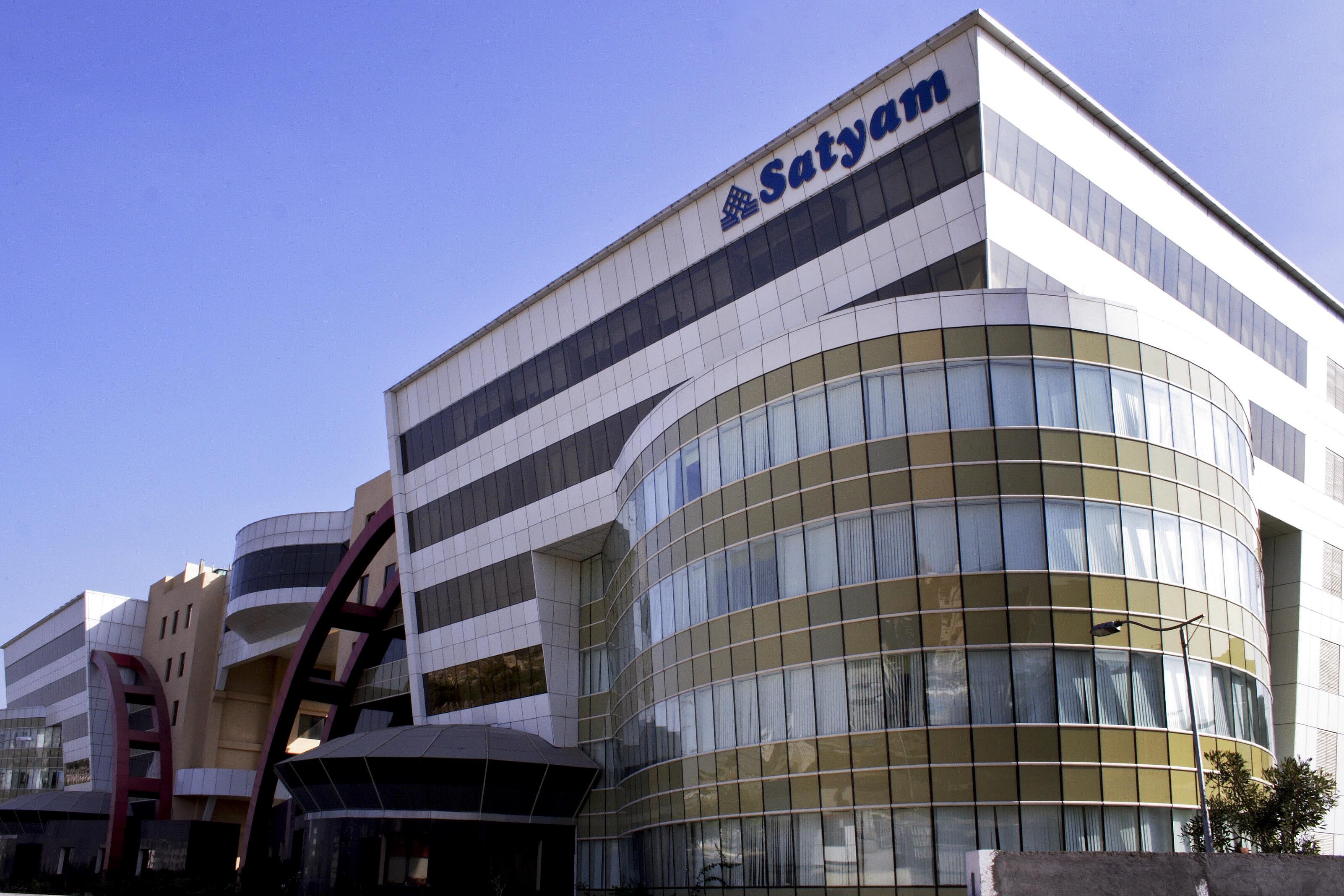
Nine years after sending the first notice to Price Waterhouse for anomalies in auditing the books of scam-hit erstwhile Satyam Computers System, the market regulator SEBI today barred its network entities from issuing audit certificates to any listed company in India for two years. It also ordered disgorgement of over Rs 13 crore wrongful gains from the audit major and its two erstwhile partners who worked on the IT major's accounts.
In a 108-page order posted on its website, the markets regulator imposed a two-year ban on “entities or firms practicing as chartered accountants in India under the brand and banner of Price Waterhouse from directly or indirectly issuing any certificate of audit of listed companies, compliance of obligations of listed companies and intermediaries registered with SEBI”.
The order will not impact audit assignments relating to the financial year 2017-18 undertaken by the firms forming part of the PW network, SEBI clarified.
Besides, Price Waterhouse Bangalore and its two erstwhile partners – S Gopalakrishnan and Srinivas Talluri – have been directed to “jointly and severally disgorge wrongful gains of Rs 13,09,01,664 with interest calculated at the rate of 12 percent per annum from January 7, 2009, till the date of payment”. They have to pay the amount within 45 days.
“We are disappointed with the findings of the SEBI investigations and the adjudication order,” Price Waterhouse said in an emailed response.
We believe that the order is also not in line with the directions of the Hon'ble Bombay High Court order of 2010 and so we are confident of getting a stay before this order becomes effective.Price Waterhouse Statement
The order comes after several rounds of litigation before the Securities Appellate Tribunal, Bombay High Court and the Supreme Court.
The action stems from India's biggest accounting fraud at Satyam after its founder Ramalinga Raju admitted to cooking up books in 2009. The Securities and Exchange Board of India had sent a notice to Price Waterhouse pointing out that it had accepted Satyam's monthly bank statements as final even though they didn't match with the company's daily bank statements.
SEBI had also found Price Waterhouse non-compliant with the auditing standards prescribed by the Institute of Chartered Accountants of India. S Gopalakrishnan and Srinivas Talluri had certified Satyam's audit reports during that period.
Price Waterhouse challenged the notice before the Bombay High Court on grounds that SEBI had no jurisdiction over auditors. The court rejected the argument.
It later contested the notice before the Securities Appellate Tribunal, saying the auditor was not given access to the entire material collected during the investigation and had been denied the right to cross-examine persons whose statements SEBI had relied upon.
The appellate tribunal held that SEBI had violated principles of natural justice and directed the market regulator to allow Price Waterhouse to cross-examine several individuals, including Raju.
SEBI challenged the order before the Supreme Court, which rejected its plea in January last year and directed the market regulator to give Price Waterhouse access to investigation material.

-
AI Bias In Investing Cannot Be Eliminated, But It Can Be Governed

Framing is a particularly important example as identical financial information presented in terms of gains rather than losses can lead an LLM to reach a different assessment.
-
Joining The Dots | Dark Skies, Steady Diya: Why Hope Holds This Diwali
With war, a weak rupee and foreign outflows weighing on sentiment, policymakers at the NDTV World Summit and market veterans at NDTV Profit Ignite: Diwali Edition offered the same advice: stay invested and filter out the noise.
-
The Curious Case of Equitas Small Finance Bank And A CEO Who Quit For Stock
PN Vasudevan believes persistent investor concerns over a perceived conflict of interest had become a governance overhang on Equitas Small Finance Bank's stock, even as the lender improved profitability and asset quality.
-
Talking Points This Week: AI Cash Burn, A Tiger Comeback And An India That Still Finds Its Own Path
India is not immune to higher oil or tighter global liquidity, yet its earnings base is broader, its domestic policy levers are still available.
-
Foreign Investors Own Half Of HDFC Bank and ICICI Bank. An LTCG Cut Could Matter Most Here
Foreign portfolio investors have US$115 billion parked in HDFC Bank, ICICI Bank. If the government cuts long-term capital gains tax, Jefferies says returning foreign money could land here first.
-
'Never Seen This Level Of Negativity': Sandeep Tandon Says The Next Rally May Be Closer Than You Think
Veteran investor Sandeep Tandon says foreign selling is easing, large-caps are due a comeback and mid-caps are crowded, while he turns positive on gold, power and pharma this Diwali.
-
Indians Stay With Family, Not In Hotels | The Reason Why
India still lacks enough clean, reliable and affordable hotels for budget-conscious travellers.
-
The Economic Imperative: Analysing The Material Driving Force Behind India-Canada Strategic Reset
This economic complementarity is further reinforced by deep institutional investment ties and talent mobility, which form the bedrock of the bilateral framework.
-
Medicine Pricing: Where Must Profit Stop?
India must confront excessive margins, hidden incentives and regulatory gaps that threaten the integrity of medicine.
-
Why Amazon And Flipkart Are Struggling To Beat Meesho In India's Smaller Cities
With 274 million users and lowest-cost logistics, Meesho is defending its value commerce crown against giants like Amazon and Flipkart.










