Sarfaesi Act: Statutory Dues Can’t Be Waived Off Contractually, Says Supreme Court
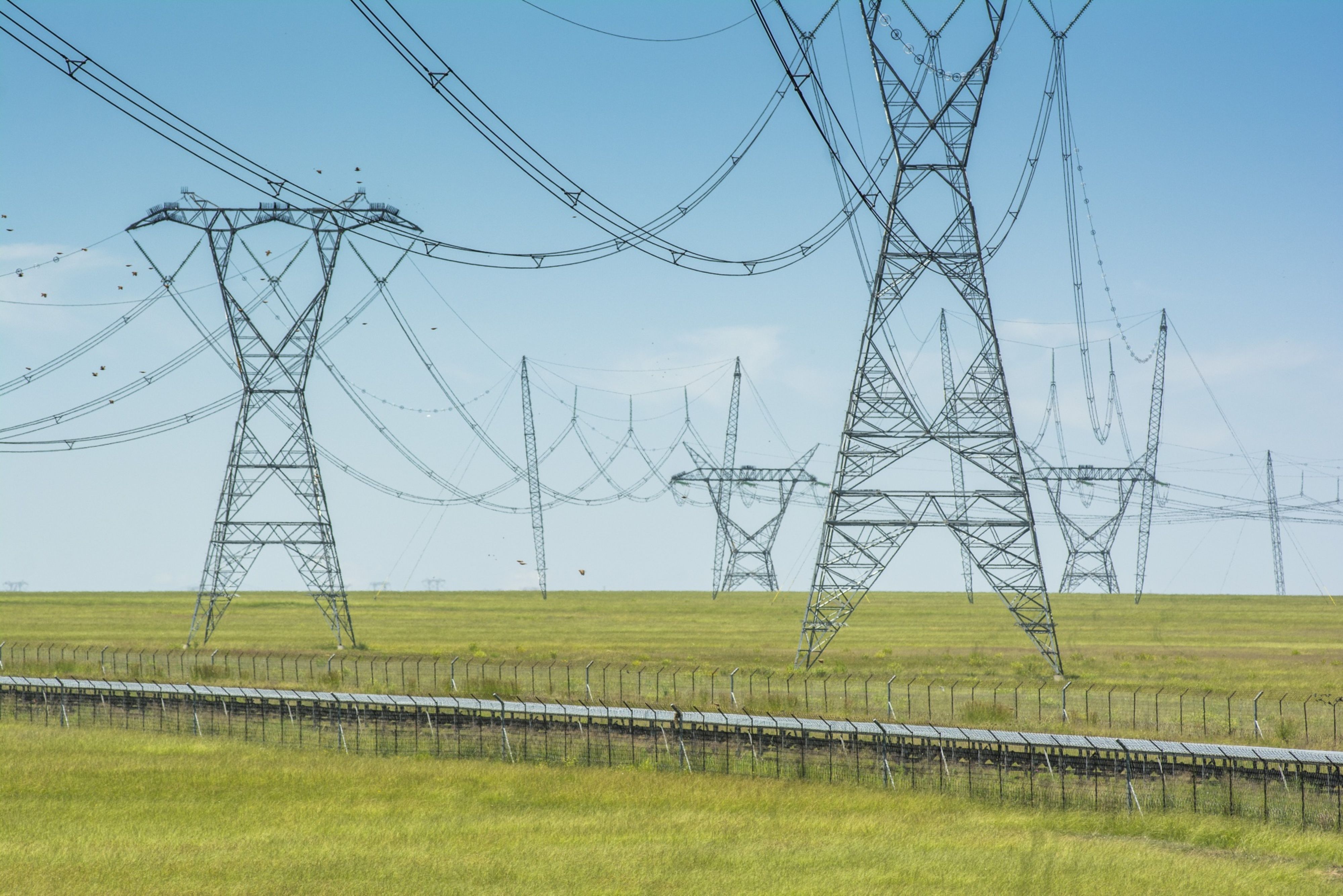
In an important order, the Supreme Court has held that statutory dues under the Electricity Act cannot be characterised as purely contractual and waived off under an auction of a distressed asset under the Sarfaesi Act.
The case relates to the auction of a water bottling plant in Hyderabad by Syndicate Bank after the owner failed to repay a loan. Consequently, the bank conducted an auction of the property on an ‘as is, where is, whatever there is and without recourse basis'.
After emerging as the highest bidder, the auction purchaser sought reinstatement of electricity supply on the site. The Telangana State Southern Power Distribution Company, however, denied the sanction and made demands from the auction purchaser and asserted its right to recover the dues in accordance with the terms and conditions of Telangana's electricity supply regulations.
The power utility moved the Supreme Court after the Telangana High Court directed it to sanction the supply without insisting on past dues from the auction purchaser.
A bench comprising Justice Sanjay Kishan Kaul and Justice KM Joseph set aside the high court's order and allowed the power utility to make a demand for past arrears from the auction purchaser.
Supreme Court Denies Relief
After being denied an electricity connection, the auction purchaser moved the high court, arguing that since it was a subsequent purchaser, it was not liable for dues of the past owner towards the power utility.
Further, relying on a past decision of the Supreme Court, it argued that liability to pay dues is created only against a consumer as defined in the Electricity Act. As the auction purchaser was not a consumer when seeking a new connection, no demand for past dues would arise, it said.
The Supreme Court dismissed the auction purchaser's argument and said that:
- The auction purchaser was made aware about the past liabilities as there was a specific quantification of dues, including electricity dues in the auction notice.
- Different high courts have given varying judgments on liability of past dues under the Electricity Act.
- Dues having a statutory character cannot be waived off. Similarly, they cannot be classified as dues of purely contractual nature.
- Liability to pay past dues will fall on the purchaser if auction is conducted on an as is, where is, whatever there is and without recourse basis.
‘Bidders Must Ring-fence Liability'
Experts said the order will act as a guideline for purchasers who intend to buy distressed assets through auctions as past liabilities can affect their bidding strategies.
DSK Legal's Anjan Dasgupta explained the process of auctions under the Securitisation and Reconstruction of Financial Assets and Enforcement of Security Interest Act and the degree of caution that prospective auction purchasers must take.
“Auctions under Sarfaesi Act are generally conducted on an ‘as is where is', ‘as is what is', ‘whatever there is', and ‘no recourse' basis. In such cases the auction notice clearly states that the statutory dues have to be borne by the auction purchaser,” Dasgupta said.
A purchaser under an auction will need to ascertain the exact amount of statutory dues, including unpaid electricity dues and based on the terms of the auction process, it will have to factor this unpaid amount in the purchase consideration being offered, he said.
Prachi Goel, partner at S&R Associates, explained the impact of the order in cases where an auction notice is silent about past liabilities. Ring-fencing can be achieved by insisting that liability in respect of all the relevant statutory dues that may have accrued until an agreed cut-off date must be to the account of the transferor, she said.
Even in cases, where there is no such express stipulation in the sale or auction conditions, the potential purchasers will need to be mindful of the Supreme Court's ruling and would need to expressly ring-fence their liability towards statutory dues.Prachi Goel, Partner, S&R Associates
Auction purchasers can make it a condition precedent for closing of the sale process that the transferor must produce an evidence of payment to the relevant third parties or authorities, either in form of a no-dues certificate or any other document, she said.

-
Signature Play: The Classic Cocktail Is Dead. Or Is It?

Classic cocktails are disappearing from India's cocktail menus. But they're still being ordered, taught to bartenders and borrowed from. So, who's really having the last drink?
-
A New Samvat Wishlist: Inclusive Prosperity And Human Development
India has strengthened its economic foundations through infrastructure, digital access and enterprise. Its next growth chapter must deepen productivity, create better livelihoods and widen participation in prosperity.
-
Love, Sex Aur Dhokha: The Audacious Plot To Spy On Jensen Huang
A Taipei dinner, a Singapore chip buyer and a suspected Chinese asset: inside the alleged spy operation that got close to NVIDIA's Jensen Huang.
-
Ten Things I Learnt This Samvat
Patience can be a trap. Cheap stocks can stay cheap. Leverage can wipe you out. What did Samvat 2082 teach us? Niraj Shah writes on 10 lessons from the year gone by.
-
Talking Points This Week: Tech Nerves, FII Buying, And A Faraway Banking Shock
The global markets are not shining this Diwali. The exception in the large markets is, India.
-
Midterm Rally Lasted A Day. The Hard Reality Of A Divided US May Last Two Years | Opinion
Between a contested AI boom, a debt ceiling that arrives in 2027 and a president with every incentive to act alone, the next two years may prove more volatile than the first day's rally suggests.
-
Blue Wave Will Derail the AI Trade but Won't Dismantle the AI Era | Unhedged Position
The Democrats' sweep of the US Congress will see politics collide with economic forces both over the long and short term.
-
It's Time To Take The GST Council's Bet On Trust Global
Payment records can prove India's services exports, and clear, proportionate rules can bring foreign digital sellers into the tax net.
-
Opinion | India at 38: From Innovation Overperformer to Innovation Powerhouse
India now has 453 VC-backed deep science startups, 18 of them late-stage, after 117 percent growth since 2020. Laurus Labs, at USD 9.3 billion, is the most valuable deep science company in any middle-income economy outside China.









