Perception That Judiciary Not Working Independently Led To The Rare Press Meet, Says Justice Joseph
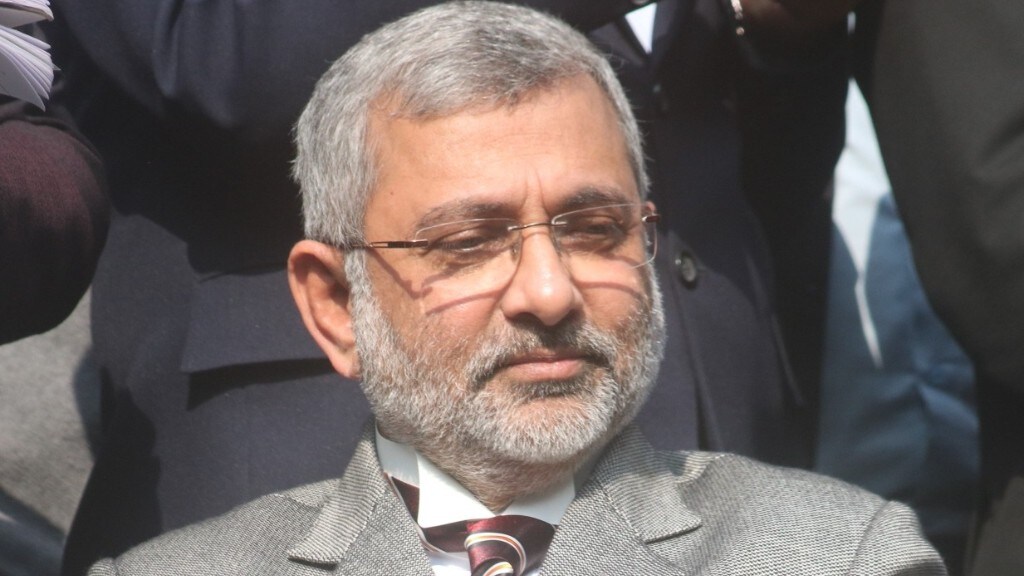
Justice Kurian Joseph, who recently retired from the Supreme Court, said a perception that the judiciary wasn't functioning independently was one of the reasons that prompted the Jan. 12 press conference by four senior-most serving judges to go public about their differences with the then chief justice of India.
“I went to the press conference for my conscience. There was a perception that the judiciary, especially the Supreme Court and its captain (former Chief Justice Dipak Misra) was not functioning independently,” Justice Joseph said at an event in Delhi organised by the Leaflet on Dec. 7. “Some of the other judges apart from us four also shared the perception.”
Justice Joseph, along with Justice Ranjan Gogoi, now chief justice of India, Justice Madan Lokur and Justice Jasti Chelameswar (retired), held a rare press conference to publicly raise alleged selective allocation of matters and the delay in finalising the process that guides the appointment and transfer of high court and Supreme Court judges, among other things.
The perception was that things were not in the right direction, and one such issue was the allocation of certain cases to select specific benches, Justice Joseph said. And he is not aware why the Memorandum of Procedure for appointments by the collegium hasn't been finalised.
Justice Joseph favours increasing the retirement age of the judges to 70 years. “You want a retired Supreme Court judge to man certain institutions. Why not increase the age of retirement? Take it to 70 years,” he said. “If the National Human Rights Commission can be manned by a judge of the age of 70, why can't he be a judge? And make these posts interchangeable.”
Watch the entire conversation with Justice Joseph here:

-
Signature Play: The Classic Cocktail Is Dead. Or Is It?

Classic cocktails are disappearing from India's cocktail menus. But they're still being ordered, taught to bartenders and borrowed from. So, who's really having the last drink?
-
A New Samvat Wishlist: Inclusive Prosperity And Human Development
India has strengthened its economic foundations through infrastructure, digital access and enterprise. Its next growth chapter must deepen productivity, create better livelihoods and widen participation in prosperity.
-
Love, Sex Aur Dhokha: The Audacious Plot To Spy On Jensen Huang
A Taipei dinner, a Singapore chip buyer and a suspected Chinese asset: inside the alleged spy operation that got close to NVIDIA's Jensen Huang.
-
Ten Things I Learnt This Samvat
Patience can be a trap. Cheap stocks can stay cheap. Leverage can wipe you out. What did Samvat 2082 teach us? Niraj Shah writes on 10 lessons from the year gone by.
-
Talking Points This Week: Tech Nerves, FII Buying, And A Faraway Banking Shock
The global markets are not shining this Diwali. The exception in the large markets is, India.
-
Midterm Rally Lasted A Day. The Hard Reality Of A Divided US May Last Two Years | Opinion
Between a contested AI boom, a debt ceiling that arrives in 2027 and a president with every incentive to act alone, the next two years may prove more volatile than the first day's rally suggests.
-
Blue Wave Will Derail the AI Trade but Won't Dismantle the AI Era | Unhedged Position
The Democrats' sweep of the US Congress will see politics collide with economic forces both over the long and short term.
-
It's Time To Take The GST Council's Bet On Trust Global
Payment records can prove India's services exports, and clear, proportionate rules can bring foreign digital sellers into the tax net.
-
Opinion | India at 38: From Innovation Overperformer to Innovation Powerhouse
India now has 453 VC-backed deep science startups, 18 of them late-stage, after 117 percent growth since 2020. Laurus Labs, at USD 9.3 billion, is the most valuable deep science company in any middle-income economy outside China.









