Pakistan's Nuclear Arsenal: A Reality Check After Asim Munir's Threat
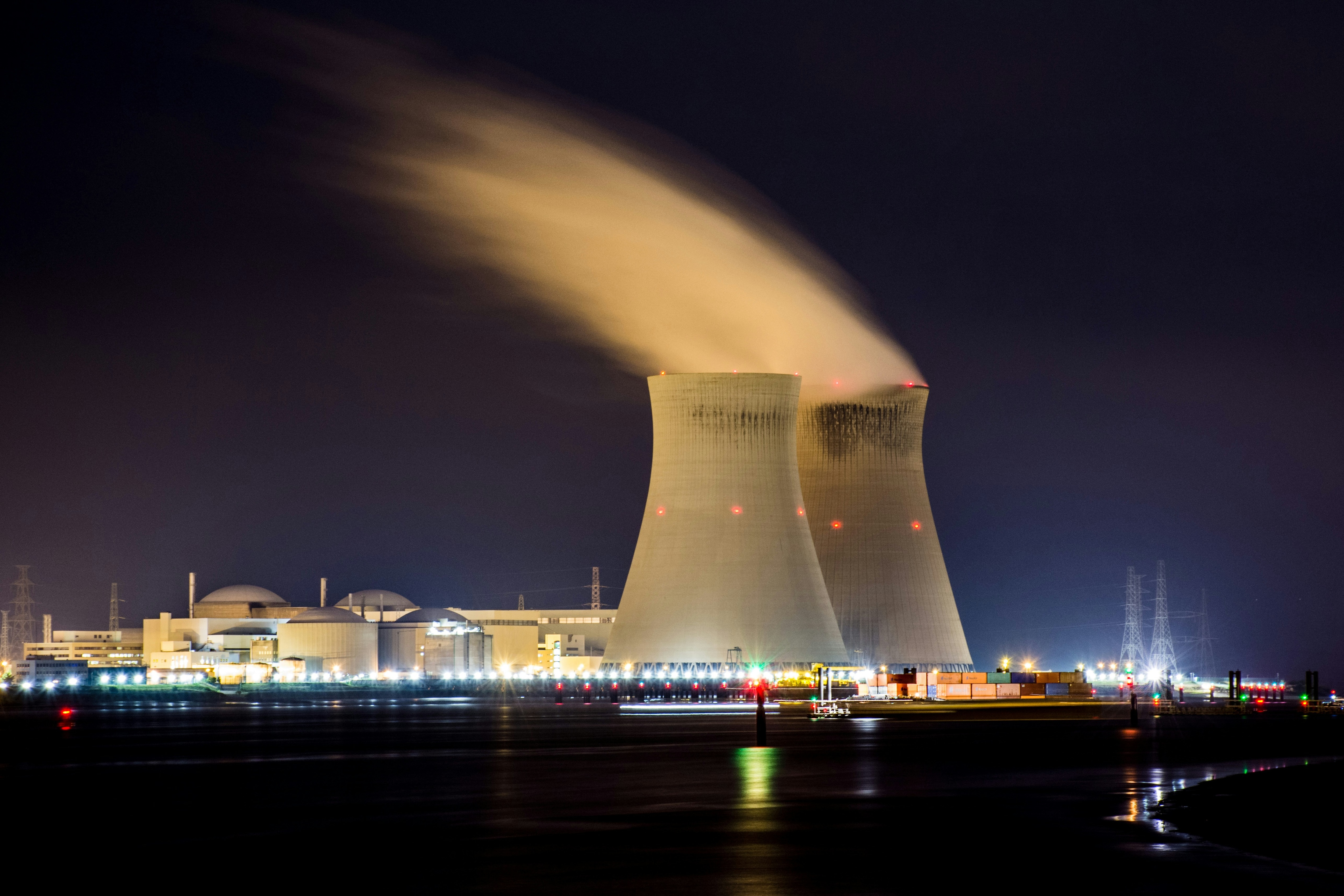
Pakistan's nuclear capabilities are under global scrutiny after its Army chief Asim Munir issued a warning in a recent US speech, drawing sharp criticism from India. Speaking to an audience of Pakistan-origin residents, Munir said, “We are a nuclear nation. If we think we are going down, we'll take half the world down with us.”
His remarks linked the threat to New Delhi's suspension of certain clauses of the Indus Waters Treaty following the Pahalgam terror attack in May that left 26 people dead.
According to an NDTV report, the remarks were the first nuclear threats known to have ever been delivered from US soil against a third country. They were reportedly made during a dinner hosted for Munir by businessman Adnan Asad, who serves as the honorary consul for Tampa, Florida.
Warhead Stockpile And Strategic Ambitions
According to the 2025 Yearbook of the Stockholm International Peace Research Institute (SIPRI), Pakistan holds an estimated 170 nuclear warheads. This number has remained unchanged since last year. The country continues to pursue a nuclear triad strategy, developing land-based ballistic and cruise missiles, sea-launched systems and aircraft capable of delivering nuclear weapons.
The SIPRI analysis indicates ongoing work on new delivery systems, suggesting the arsenal may grow over the next decade, reported NDTV.
Missile Capabilities: Regional Reach, Not Global
Pakistan's most advanced ballistic missile, the Shaheen-3, can strike targets up to 2,750 km away, covering all of India and parts of the Middle East. The Ababeel missile, still under development, is believed to be capable of carrying multiple independently targetable re-entry vehicles (MIRVs), meant to penetrate advanced missile defence systems such as India's Russian-made S-400.
However, even these long-range missiles fall well short of global reach. Most of Pakistan's other systems, including the Fatah-II (400 km), Shaheen-II (1,500–2,000 km), Ghauri-II (over 2,000 km) and short-range missiles like the Abdali, Ghaznavi and Nasr, are tailored for tactical or regional use, reported NDTV.
Air And Sea Components
Pakistan's air-based nuclear delivery currently relies on ageing Mirage III and possibly Mirage V aircraft, stated the report, though the domestically built JF-17 fighter is expected to take over in the coming years, armed with the Ra'ad air-launched cruise missile.
The naval leg of the triad is still evolving. The Babur-3 sea-launched cruise missile (450 km range), designed for deployment on Agosta-90B submarines, could eventually give Pakistan a second-strike capability. But the system is yet to be fully operationalised.
Nuclear Yield And Storage
Pakistan's 1998 nuclear tests showed yields of around 12 kilotons. Pakistan is believed to have developed more advanced fission weapons, but there is no proof that it has thermonuclear arms. In peacetime, its warheads are said to be kept apart from the systems that deliver them.

-
The Curious Case of Equitas Small Finance Bank And A CEO Who Quit For Stock

PN Vasudevan believes persistent investor concerns over a perceived conflict of interest had become a governance overhang on Equitas Small Finance Bank's stock, even as the lender improved profitability and asset quality.
-
Talking Points This Week: AI Cash Burn, A Tiger Comeback And An India That Still Finds Its Own Path
India is not immune to higher oil or tighter global liquidity, yet its earnings base is broader, its domestic policy levers are still available.
-
Foreign Investors Own Half Of HDFC Bank and ICICI Bank. An LTCG Cut Could Matter Most Here
Foreign portfolio investors have US$115 billion parked in HDFC Bank, ICICI Bank. If the government cuts long-term capital gains tax, Jefferies says returning foreign money could land here first.
-
'Never Seen This Level Of Negativity': Sandeep Tandon Says The Next Rally May Be Closer Than You Think
Veteran investor Sandeep Tandon says foreign selling is easing, large-caps are due a comeback and mid-caps are crowded, while he turns positive on gold, power and pharma this Diwali.
-
Indians Stay With Family, Not In Hotels | The Reason Why
India still lacks enough clean, reliable and affordable hotels for budget-conscious travellers.
-
The Economic Imperative: Analysing The Material Driving Force Behind India-Canada Strategic Reset
This economic complementarity is further reinforced by deep institutional investment ties and talent mobility, which form the bedrock of the bilateral framework.
-
Medicine Pricing: Where Must Profit Stop?
India must confront excessive margins, hidden incentives and regulatory gaps that threaten the integrity of medicine.
-
Why Amazon And Flipkart Are Struggling To Beat Meesho In India's Smaller Cities
With 274 million users and lowest-cost logistics, Meesho is defending its value commerce crown against giants like Amazon and Flipkart.
-
High US Salaries, No Green Card Certainty: The Financial Calculation Facing Indian H-1B Families
The suspension of PERM processing at eight technology employers does not cancel existing H-1B visas. What it does is force a question many Indian families have been avoiding: is the US salary worth tying your career and family plans to one employer?
-
Swiggy vs Eternal: Food Delivery's Two Rivals Are No Longer In The Same Race
Eternal is building a private AI assistant, dark.ai. Swiggy is still working out how to make Instamart pay, with an operating loss of Rs 895 crore in the July-September quarter while Blinkit stayed profitable.










