What Part of My NDTV Interview Was ‘Drivel’, Asks P Chidambaram
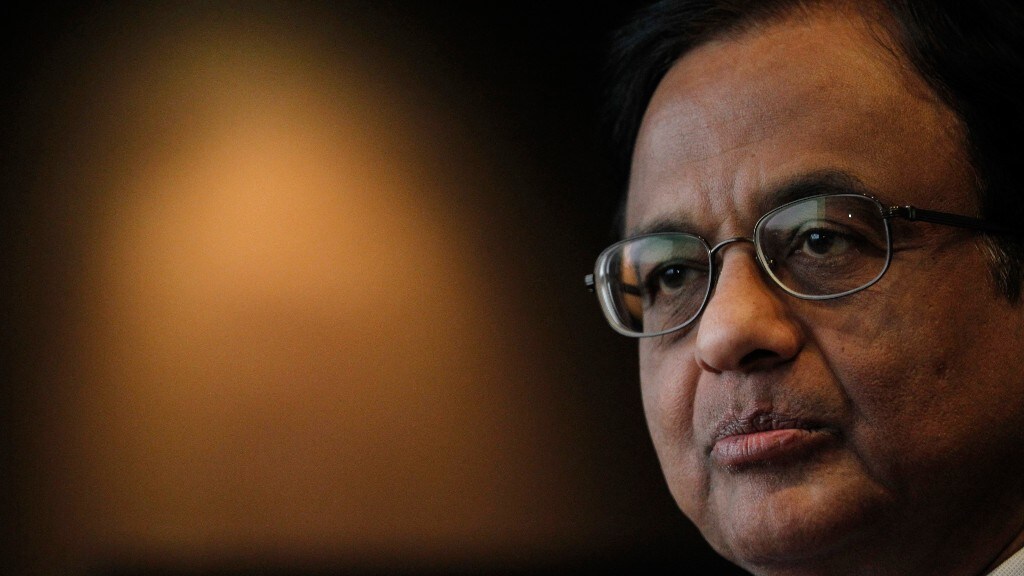
“NDTV will not air any remarks that risk security for political advantage.”
And with this on air statement, NDTV dropped its interview with former union minister for home and finance, P Chidambaram that was to be telecast on 6 October. The decision quite obviously raised eyebrows on aspects like self-censorship by the media, with everybody expecting Chidambaram to respond.
And he did – in an interview with The Indian Express on Wednesday.
Starting off with the two subjects of his interview with NDTV's Barkha Dutt, Chidambaram told The Indian Express that they only spoke about the Indian Army's surgical strikes and whether the demand from several quarters for “evidence” of the strikes was justified.
He added that he learnt the tapes were dropped from Dutt, who said the interview was scrapped “despite her wish”.
He also demanded that the tapes be released.
“In fact, I have demanded that NDTV should release the tape to me so that I can put it on YouTube. They have not responded to my demand.”
On being questioned about his stance on the strikes, Chidambaram does not mince any words to say:
“My stand is quite clear. I said, we support the government. We believe the Army and the DGMO. And whatever pre-emptive action the government of the day will take, as a responsible opposition, the Congress will support the government.”
Adding to his stance on the strikes, Chidambaram said that in his view, the demand for “evidence” is not symptomatic of a distrust in the government, but indicative of a will to call out “Pakistan's bluff”.
“There have been demands from quarters that evidence must be released. That is not questioning the Army action. That is a suggestion to the government so that we can call the bluff of Pakistan.”
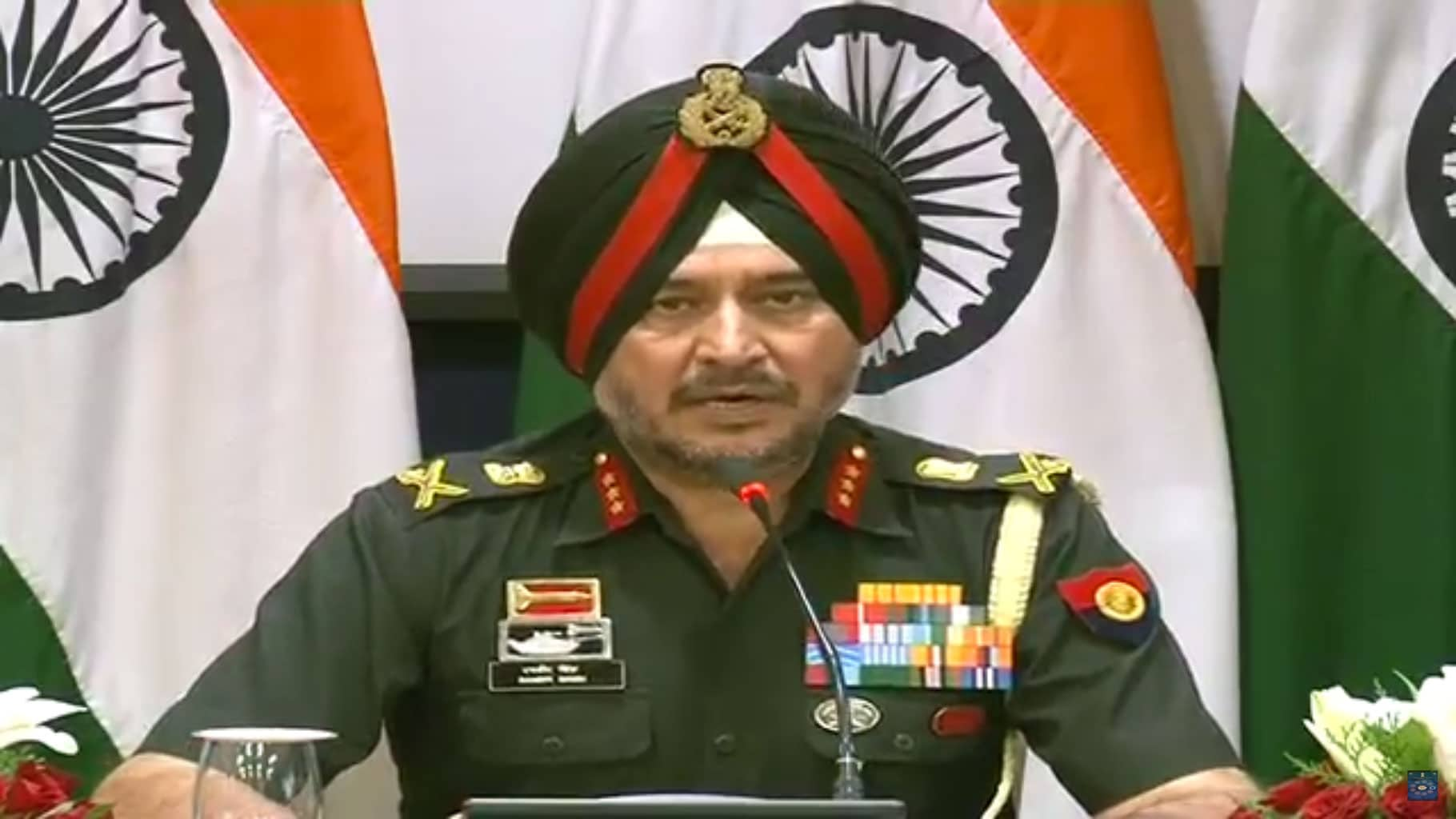
Delving into the previous government's policies on Pakistan, which was that of “strategic restraint,” Chidambaram concedes that it is the government's right to modify policy with time, like the current government has.
“Clearly, the present government has changed tack. But that is the privilege of the government of the day. The fallout of such a changed policy can only be seen in the months and years to come… Whether Pakistan will change its behaviour or will become more aggressive, I think we have to wait and see.”
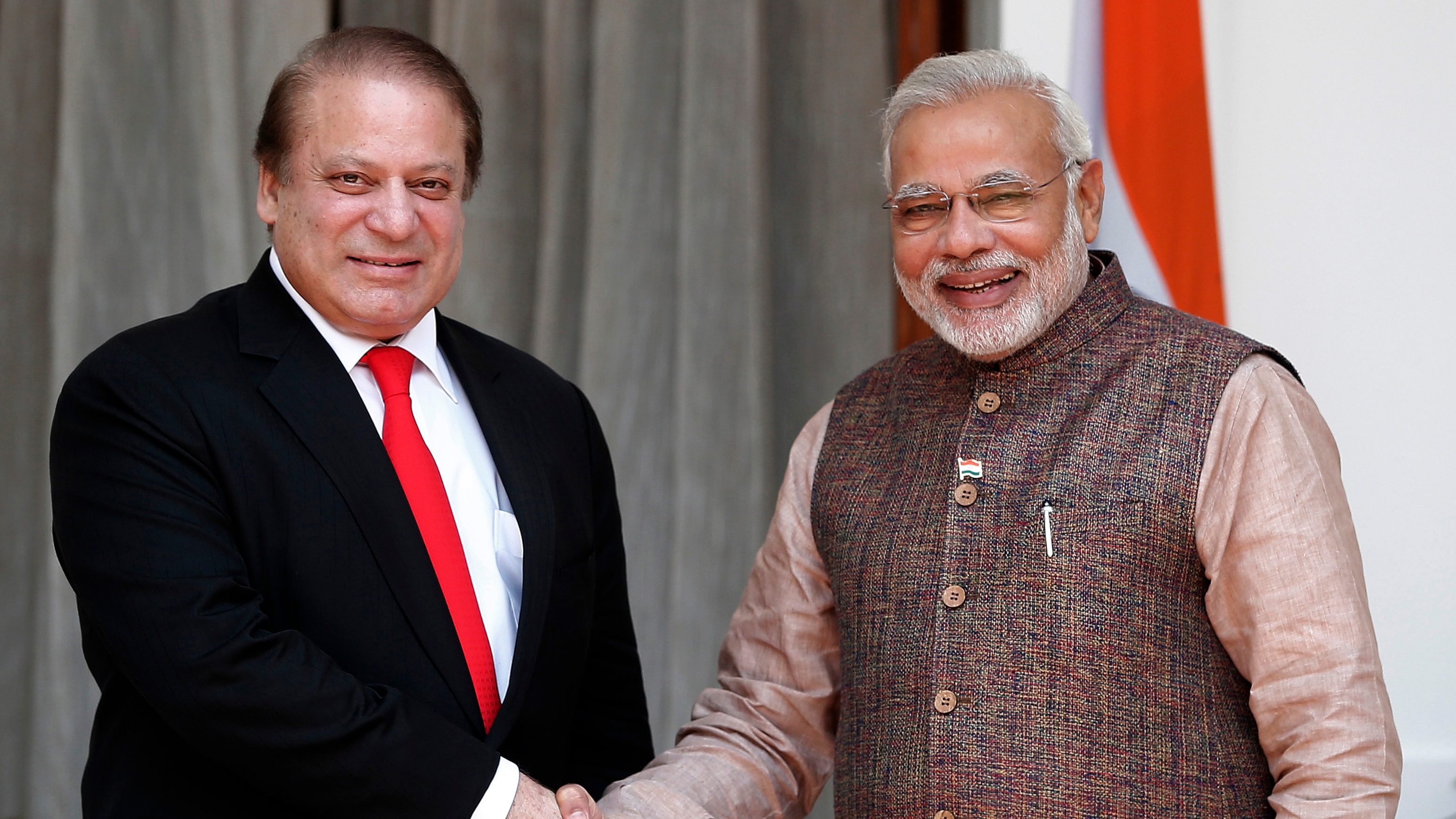
After the interview was scrapped, The Wire quoted NDTV chairperson Radhika Roy saying that the channel is not “obliged to carry every shred of drivel that has now come to pass as public discourse.” She added that as part of the channel's new editorial policy, it will not “provide a platform to outrageous and wild accusations that thrive only on publicity.” She added that the channel will not have anything to do with political mud-slinging that is happening in the name of surgical strikes.
Responding to this clarification, Chidambaram asks:
“And NDTV said several things. I picked out three phrases and I asked them which part of my interview, fell under those three phrases. One, I asked them which part of my interview contained remarks that risked security for political advantage? Two, which part of my interview was shred of drivel? Three, which part of my interview was bizarre, political bickering…There's no answer.”
Chidamabaram then makes a larger point asking why some sections of the media are “falling in line”.
Why are you guys falling like nine pins to unjustified demands, if any, from the powers that be? I don't know, if the powers that be made any demand. But why are you guys falling like nine pins? It's sad. If the media, which fiercely protests, or used to fiercely protest any suggestion that the media should be restrained – why is it capitulating?
(Source: The Indian Express)

-
'Never Seen This Level Of Negativity': Sandeep Tandon Says The Next Rally May Be Closer Than You Think

Veteran investor Sandeep Tandon says foreign selling is easing, large-caps are due a comeback and mid-caps are crowded, while he turns positive on gold, power and pharma this Diwali.
-
Indians Stay With Family, Not In Hotels | The Reason Why
India still lacks enough clean, reliable and affordable hotels for budget-conscious travellers.
-
The Economic Imperative: Analysing The Material Driving Force Behind India-Canada Strategic Reset
This economic complementarity is further reinforced by deep institutional investment ties and talent mobility, which form the bedrock of the bilateral framework.
-
Medicine Pricing: Where Must Profit Stop?
India must confront excessive margins, hidden incentives and regulatory gaps that threaten the integrity of medicine.
-
Why Amazon And Flipkart Are Struggling To Beat Meesho In India's Smaller Cities
With 274 million users and lowest-cost logistics, Meesho is defending its value commerce crown against giants like Amazon and Flipkart.
-
High US Salaries, No Green Card Certainty: The Financial Calculation Facing Indian H-1B Families
The suspension of PERM processing at eight technology employers does not cancel existing H-1B visas. What it does is force a question many Indian families have been avoiding: is the US salary worth tying your career and family plans to one employer?
-
Swiggy vs Eternal: Food Delivery's Two Rivals Are No Longer In The Same Race
Eternal is building a private AI assistant, dark.ai. Swiggy is still working out how to make Instamart pay, with an operating loss of Rs 895 crore in the July-September quarter while Blinkit stayed profitable.
-
Where You Live Shapes How You Get To Work | The Reason Why
Two-wheelers are the most popular way to get to work in India, accounting for nearly 43% of workplace commutes.
-
Unhedged Position: Can India See An Indonesia-Style Time Correction?
The Nifty is trading below levels it first clocked in 2024. Is there, then, as I have suggested in the headline, potential that the current time correction drags on painfully for the next three-five, even ten years?
-
Navigating Friction And Energy Realities: An Analysis Of Marco Rubio's October Visit To India
Occurring at a critical juncture marked by stalled trade negotiations and escalating geopolitical pressures over global energy supplies, the visit offers a profound window into modern US-India relations.










