Lok Sabha Passes Triple Talaq Bill Despite Opposition
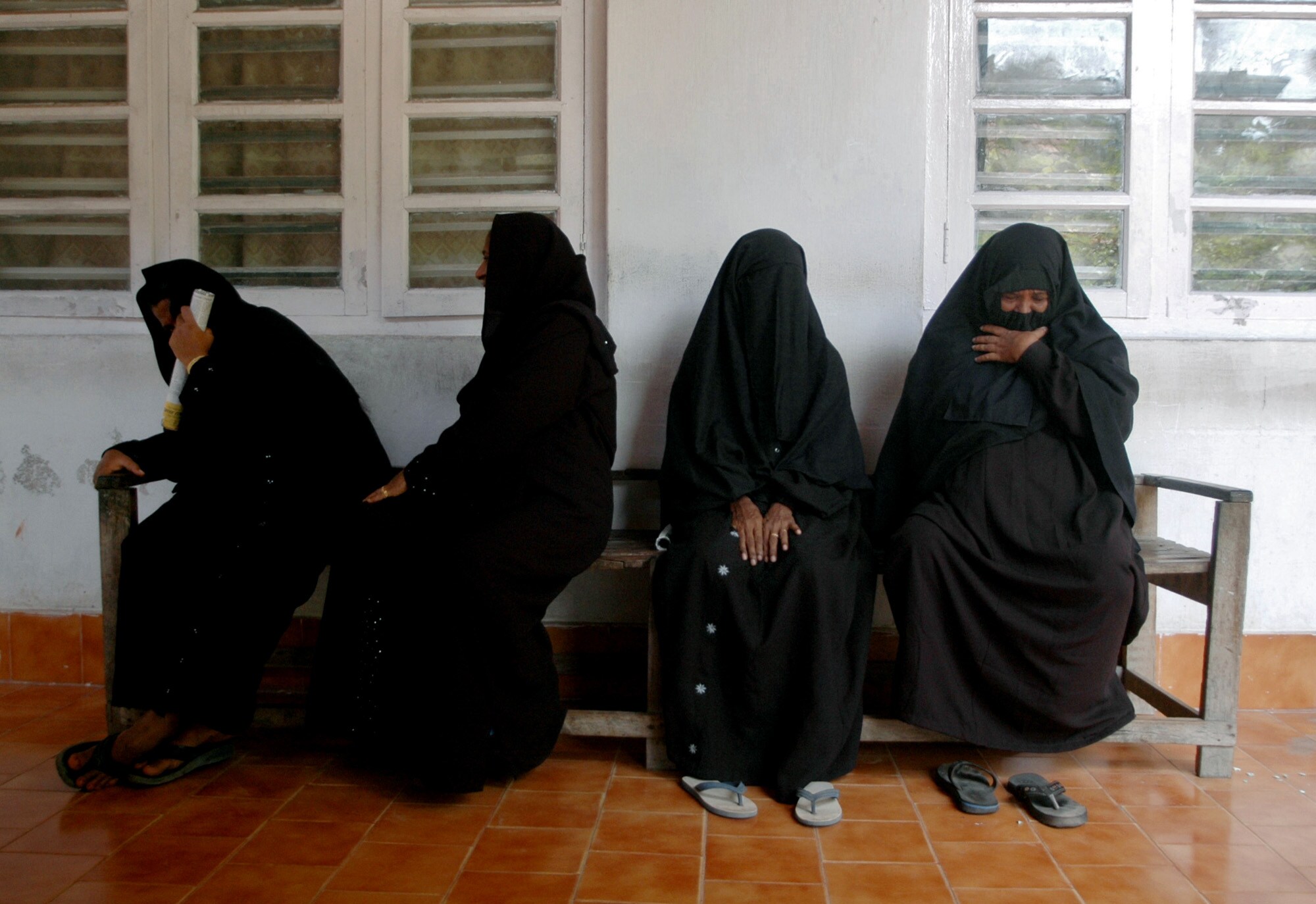
Second time in less than one year, the contentious Triple Talaq Bill criminalising instant divorce by Muslim men was passed by Lok Sabha after a heated debate on Thursday, with the government projecting it as a matter of "insaaniyat aur insaaf" for Muslim women, and rejecting the contention that it was aimed at targeting a particular community.
The Opposition, including the Congress, objected to many of its provisions as "unconstitutional" and claimed that its real purpose was not to empower Muslim women but to penalise Muslim men, as it demanded the revised legislation to be sent to a joint select committee of Parliament for greater scrutiny.
With the government rejecting their demand, the bill was put to vote and passed after an over five-hour debate with 245 members voting in its favour and 11 against it. Prime Minister Narendra Modi was not present during the debate.
The Muslim Women (Protection of Rights on Marriage) Bill was passed by Lok Sabha in Dec. 28 last year but got stuck in the Upper House amid protest by opposition parties. The government had then cleared some amendments, including introduction of a provision of bail, to make it more acceptable.
However, as the bill continued to face resistance in the Rajya Sabha, the government issued an ordinance in September, incorporating the amendments.
The fresh Bill to make the practice of triple talaq among Muslims a penal offence was introduced in Lok Sabha on Dec. 17 to replace the ordinance. Under the proposed law, giving instant triple talaq will be illegal and void, and will attract a jail term of three years for the husband.
Key opposition parties, including the Congress and Trinamool Congress as also AIADMK, which has often been an ally of the government in Parliament, staged a walkout soon after Law Minister Ravi Shankar Prasad concluded his reply.
The BJP is set to use today's passage of the bill as a major talking point ahead of the 2019 Lok Sabha polls. The saffron party and its ideological affiliates, including the RSS, have long railed against the practice of instant divorce, projecting it as an evidence of its Congress-led "secular" rivals' vote bank politics.
However, the bill's fate remains uncertain as it will now go to Rajya Sabha, where the government lacks numbers and it cannot become a law unless passed by both Houses.
Piloting the bill, Prasad rejected the contention of some opposition members that it was aimed at targeting any community. It is about "insaaniyat aur insaaf" (humanity and justice), he said, adding that it should not be weighed on the scales of politics.
Over 20 Islamic countries have also barred the practice, he said, adding that over 477 cases of triple talaq have been reported since Jan. 2017. It has continued despite the Supreme Court declaring the practise "unconstitutional", he added.
Leader of Congress Party in Lok Sabha, Mallikarjun Kharge said the bill was against the spirit of the Constitution and has violated several articles dealing with the rights of individuals.
Prasad said the bill has made the offence compoundable, meaning that the case can be withdrawn if the man and his estranged wife reach a compromise, and that only the wife and her close relatives can file an FIR, ruling out the law's misuse.
Union minister Smriti Irani said if Parliament can enact laws to ban dowry and the practice of sati, it can also approve the bill to ban instant triple talaq.
Supporting the penal provisions in the bill, Union Minister Mukhtar Abbas Naqvi said it was important to instil fear in the minds of those still practising it and rejected suggestions that it was against any religion.
Several women activists criticised the passage of the bill, saying it was a "political move" aimed at polarising the country before the 2019 general polls.
Secretary, All India Progressive Women's Association, Kavita Krishnan said, "Why such an offence (abandoning wives) when committed by a non-Muslim man is considered to be a civil offence and the same is being criminalised when committed by a Muslim man?" she asked.
"I think the fundamental objection that my organisation, AIPWA, and other women groups had on this bill stands. We had objected to the offence of instant triple talaq being criminalised. Our position is that there is no basis to make this a criminal offence," Krishnan said.

-
The Curious Case of Equitas Small Finance Bank And A CEO Who Quit For Stock

PN Vasudevan believes persistent investor concerns over a perceived conflict of interest had become a governance overhang on Equitas Small Finance Bank's stock, even as the lender improved profitability and asset quality.
-
Talking Points This Week: AI Cash Burn, A Tiger Comeback And An India That Still Finds Its Own Path
India is not immune to higher oil or tighter global liquidity, yet its earnings base is broader, its domestic policy levers are still available.
-
Foreign Investors Own Half Of HDFC Bank and ICICI Bank. An LTCG Cut Could Matter Most Here
Foreign portfolio investors have US$115 billion parked in HDFC Bank, ICICI Bank. If the government cuts long-term capital gains tax, Jefferies says returning foreign money could land here first.
-
'Never Seen This Level Of Negativity': Sandeep Tandon Says The Next Rally May Be Closer Than You Think
Veteran investor Sandeep Tandon says foreign selling is easing, large-caps are due a comeback and mid-caps are crowded, while he turns positive on gold, power and pharma this Diwali.
-
Indians Stay With Family, Not In Hotels | The Reason Why
India still lacks enough clean, reliable and affordable hotels for budget-conscious travellers.
-
The Economic Imperative: Analysing The Material Driving Force Behind India-Canada Strategic Reset
This economic complementarity is further reinforced by deep institutional investment ties and talent mobility, which form the bedrock of the bilateral framework.
-
Medicine Pricing: Where Must Profit Stop?
India must confront excessive margins, hidden incentives and regulatory gaps that threaten the integrity of medicine.
-
Why Amazon And Flipkart Are Struggling To Beat Meesho In India's Smaller Cities
With 274 million users and lowest-cost logistics, Meesho is defending its value commerce crown against giants like Amazon and Flipkart.
-
High US Salaries, No Green Card Certainty: The Financial Calculation Facing Indian H-1B Families
The suspension of PERM processing at eight technology employers does not cancel existing H-1B visas. What it does is force a question many Indian families have been avoiding: is the US salary worth tying your career and family plans to one employer?
-
Swiggy vs Eternal: Food Delivery's Two Rivals Are No Longer In The Same Race
Eternal is building a private AI assistant, dark.ai. Swiggy is still working out how to make Instamart pay, with an operating loss of Rs 895 crore in the July-September quarter while Blinkit stayed profitable.










