Need To Regulate ‘Perverse, Illusory Pricing’ By Broadcasters, TRAI Says
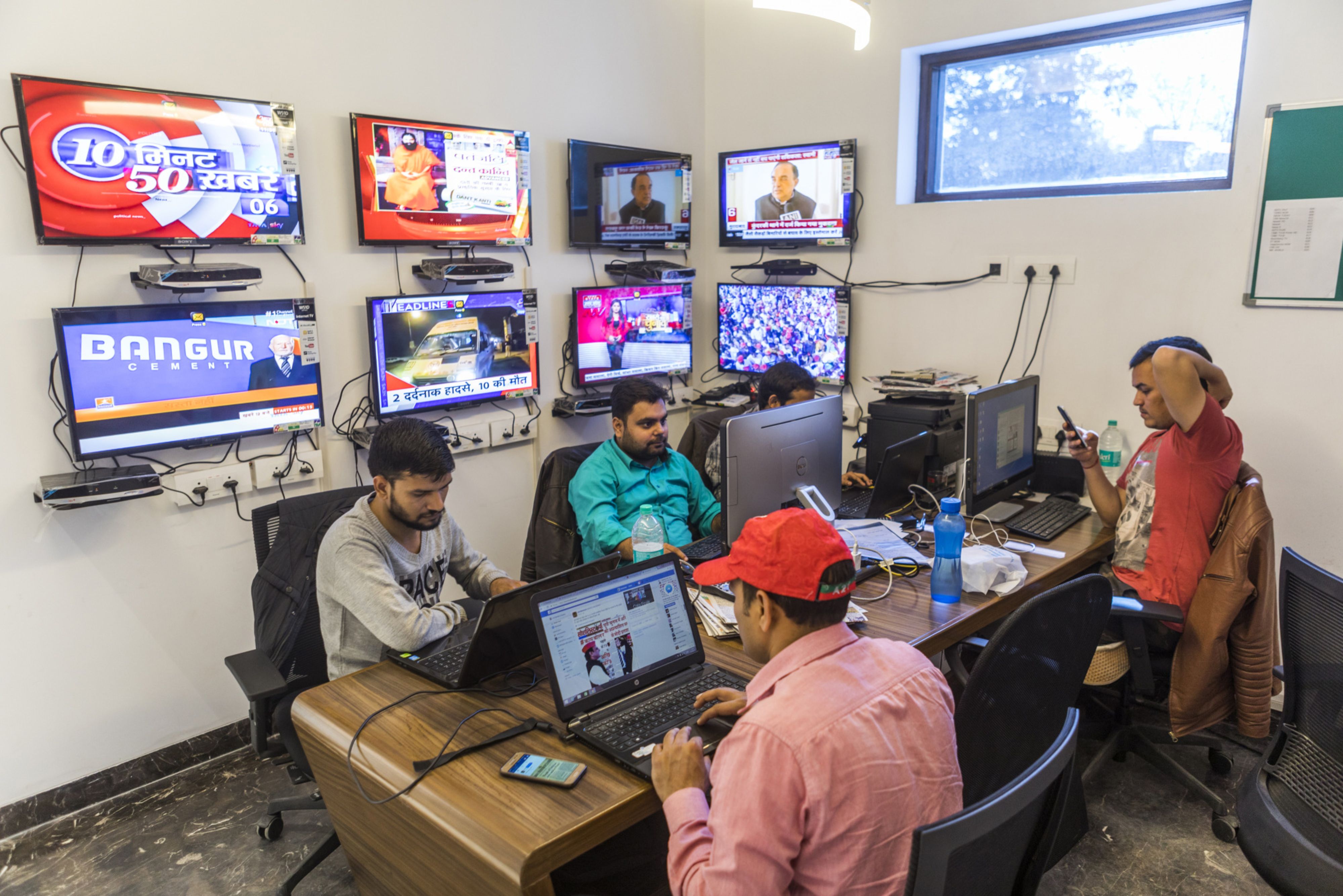
The telecom regulator has cited the mischief of “perverse and illusory pricing” of broadcasters to defend its Jan. 1 tariff order that seeks to cap the pricing of pay channels.
The Telecom Regulatory Authority of India argued against staying or deferring the order in the Bombay High Court today, saying that it was issued in the “overwhelming interest” of consumers. The court had, in January, denied broadcasters any relief but found the case fit for further arguments.
Meanwhile, an association representing consumers also moved court, seeking intervention in one of the applications filed by the Indian Broadcasting Federation. Its counsel argued that there has been a manifold hike in the pricing of pay channels by some broadcasters, with broadcasters profiteering at the expense of consumers. The association cited its earlier representations in the Supreme Court in support of its intervening application.
A two-member bench comprising Justice AA Sayed and Justice Anuja Prabhudesai directed the intervenor to file replies.
Here are the key arguments made by the parties.
What Did TRAI Say?
Vinit Naik, senior counsel representing the telecom regulator, argued that:
- The intent behind the order was to make the pricing of pay channels more realistic and customisable for consumers.
- Broadcasters are pushing unwanted channels by including them in bouquets.
- Mischief of illusory and perverse pricing by broadcasters compels viewers to subscribe to a spread of channels that they otherwise may not want to subscribe.
- The Supreme Court had upheld validity of similar regulations in 2017 and didn't find any invalid elements in it.
Ashish Kamat, counsel representing the telecom regulator, said that:
- Supreme Court cases like Sakal V. Union of India, which were cited by the broadcasters in their defence, doesn't apply to broadcast media.
- Broadcasters tried to derail regulations issued by telecom regulator but lost out multiple times in High Court and apex court.
- The Telecom Regulatory Authority of India Act, 1997, allows the telecom regulator to regulate the broadcasting sector and hence the tariff order is within its regulatory powers.

-
The Economic Imperative: Analysing The Material Driving Force Behind India-Canada Strategic Reset

This economic complementarity is further reinforced by deep institutional investment ties and talent mobility, which form the bedrock of the bilateral framework.
-
Medicine Pricing: Where Must Profit Stop?
India must confront excessive margins, hidden incentives and regulatory gaps that threaten the integrity of medicine.
-
Why Amazon And Flipkart Are Struggling To Beat Meesho In India's Smaller Cities
With 274 million users and lowest-cost logistics, Meesho is defending its value commerce crown against giants like Amazon and Flipkart.
-
High US Salaries, No Green Card Certainty: The Financial Calculation Facing Indian H-1B Families
The suspension of PERM processing at eight technology employers does not cancel existing H-1B visas. What it does is force a question many Indian families have been avoiding: is the US salary worth tying your career and family plans to one employer?
-
Swiggy vs Eternal: Food Delivery's Two Rivals Are No Longer In The Same Race
Eternal is building a private AI assistant, dark.ai. Swiggy is still working out how to make Instamart pay, with an operating loss of Rs 895 crore in the July-September quarter while Blinkit stayed profitable.
-
Where You Live Shapes How You Get To Work | The Reason Why
Two-wheelers are the most popular way to get to work in India, accounting for nearly 43% of workplace commutes.
-
Unhedged Position: Can India See An Indonesia-Style Time Correction?
The Nifty is trading below levels it first clocked in 2024. Is there, then, as I have suggested in the headline, potential that the current time correction drags on painfully for the next three-five, even ten years?
-
Navigating Friction And Energy Realities: An Analysis Of Marco Rubio's October Visit To India
Occurring at a critical juncture marked by stalled trade negotiations and escalating geopolitical pressures over global energy supplies, the visit offers a profound window into modern US-India relations.
-
India Exports Capital. Why Not Export Trusteeship?
The big question, then, is whether India can build an institution that global borrowers, investors, banks, and lawyers can trust, even without an Indian connection.
-
France's Economy & Politics Are In Crisis | The Reason Why
Let's look at how the French economy and politics evolved under Nicolas Sarkozy, Franois Hollande and Emmanuel Macron.










