NCLT Suggests IBBI Review Insolvency Code Regulations
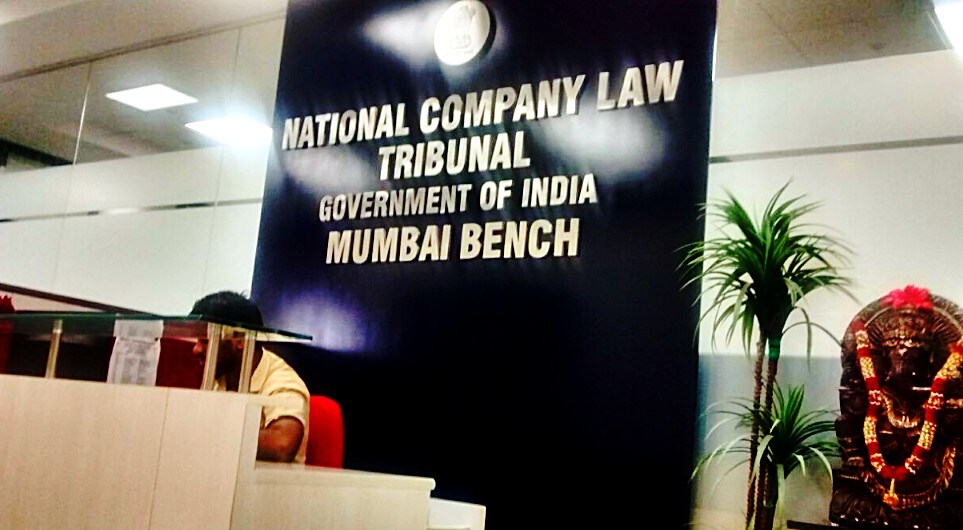
The National Company Law Tribunal has suggested to Insolvency and Bankruptcy Board of India that there is a need to review the insolvency code regulations to ensure that they are not “misused or misinterpreted”.
It also said that the resolution professional should be competent and independent so that there are no interruptions in the process which lead to delays in disposal of insolvency cases.
Besides, it has said the claims of operational creditors are neglected or ignored as the Committee of Creditors has supremacy of the financial creditors (banks and financial institutions) who have control over the entire process.
Nobody is taking care of operational creditors' claim, said the NCLT Kolkata Bench in its order passed last week on the Binani Cement matter.
“It is time to recognise their voice also in the committee of creditors,” it said, suggesting changes to the IBBI.
In the 60-page order, the tribunal has also raised concern about the functioning of RPs, saying it has been receiving several pleas from stakeholders on issues such as transparency, arbitrariness and delays in the process.
The adjudicating authority is facing too much interruption from various stakeholders. Till date we have never come across any frivolous application. All come with a genuine grievance. All challenge the independence of the resolution professional and lack of transparency, competency and arbitrariness in the matter of resolution process.NCLT Kolkata Bench
While citing Binani Cement case, the tribunal said: “In the case in hand, 12 applicants came forward ...for not following the process mandated under the code by the resolution process. The arbitrary way of dealing with the cases has always led to interruptions and also caused delay in disposal of cases.”
According to NCLT, while there is a need for reforming the regulations of the insolvency code to ensure that it is not misused or misinterpreted, there can not be any question that independence and competency of RPs are essential for preserving the objective of the code in a transparent manner leaving no room for interruption from any corner.
The NCLT Bench of Member-Judicial Madan B Gosavi and Jinan K R said: “Hopefully, we believe that IBBI take note of all the above observations and do the needful review of the code and regulation.”
Referring to the Binani Cement case, NCLT said here the RP is a chartered accountant by profession and he failed to take business decisions to run the corporate debtor on his own. He managed to run the company by appointing about 22 representatives, who are from his own partnership.
A resolution professional, like the RP in a case of this nature, needs some basic training for handling the resolution independently, efficiently and tackle the multiple questions from different stakeholders, said NCLT order, passed on May 2.
“Whenever a question arises, even if answerable by the RP independently or with advice from his advisors, he comes to adjudicating authority... He shifts that burden too to the adjudicating authority,” the bench said.

-
The Economic Imperative: Analysing The Material Driving Force Behind India-Canada Strategic Reset

This economic complementarity is further reinforced by deep institutional investment ties and talent mobility, which form the bedrock of the bilateral framework.
-
Medicine Pricing: Where Must Profit Stop?
India must confront excessive margins, hidden incentives and regulatory gaps that threaten the integrity of medicine.
-
Why Amazon And Flipkart Are Struggling To Beat Meesho In India's Smaller Cities
With 274 million users and lowest-cost logistics, Meesho is defending its value commerce crown against giants like Amazon and Flipkart.
-
High US Salaries, No Green Card Certainty: The Financial Calculation Facing Indian H-1B Families
The suspension of PERM processing at eight technology employers does not cancel existing H-1B visas. What it does is force a question many Indian families have been avoiding: is the US salary worth tying your career and family plans to one employer?
-
Swiggy vs Eternal: Food Delivery's Two Rivals Are No Longer In The Same Race
Eternal is building a private AI assistant, dark.ai. Swiggy is still working out how to make Instamart pay, with an operating loss of Rs 895 crore in the July-September quarter while Blinkit stayed profitable.
-
Where You Live Shapes How You Get To Work | The Reason Why
Two-wheelers are the most popular way to get to work in India, accounting for nearly 43% of workplace commutes.
-
Unhedged Position: Can India See An Indonesia-Style Time Correction?
The Nifty is trading below levels it first clocked in 2024. Is there, then, as I have suggested in the headline, potential that the current time correction drags on painfully for the next three-five, even ten years?
-
Navigating Friction And Energy Realities: An Analysis Of Marco Rubio's October Visit To India
Occurring at a critical juncture marked by stalled trade negotiations and escalating geopolitical pressures over global energy supplies, the visit offers a profound window into modern US-India relations.
-
India Exports Capital. Why Not Export Trusteeship?
The big question, then, is whether India can build an institution that global borrowers, investors, banks, and lawyers can trust, even without an Indian connection.
-
France's Economy & Politics Are In Crisis | The Reason Why
Let's look at how the French economy and politics evolved under Nicolas Sarkozy, Franois Hollande and Emmanuel Macron.










