Muslims In Uttar Pradesh Assembly Down To 5.9%, From 17.1% In 2012
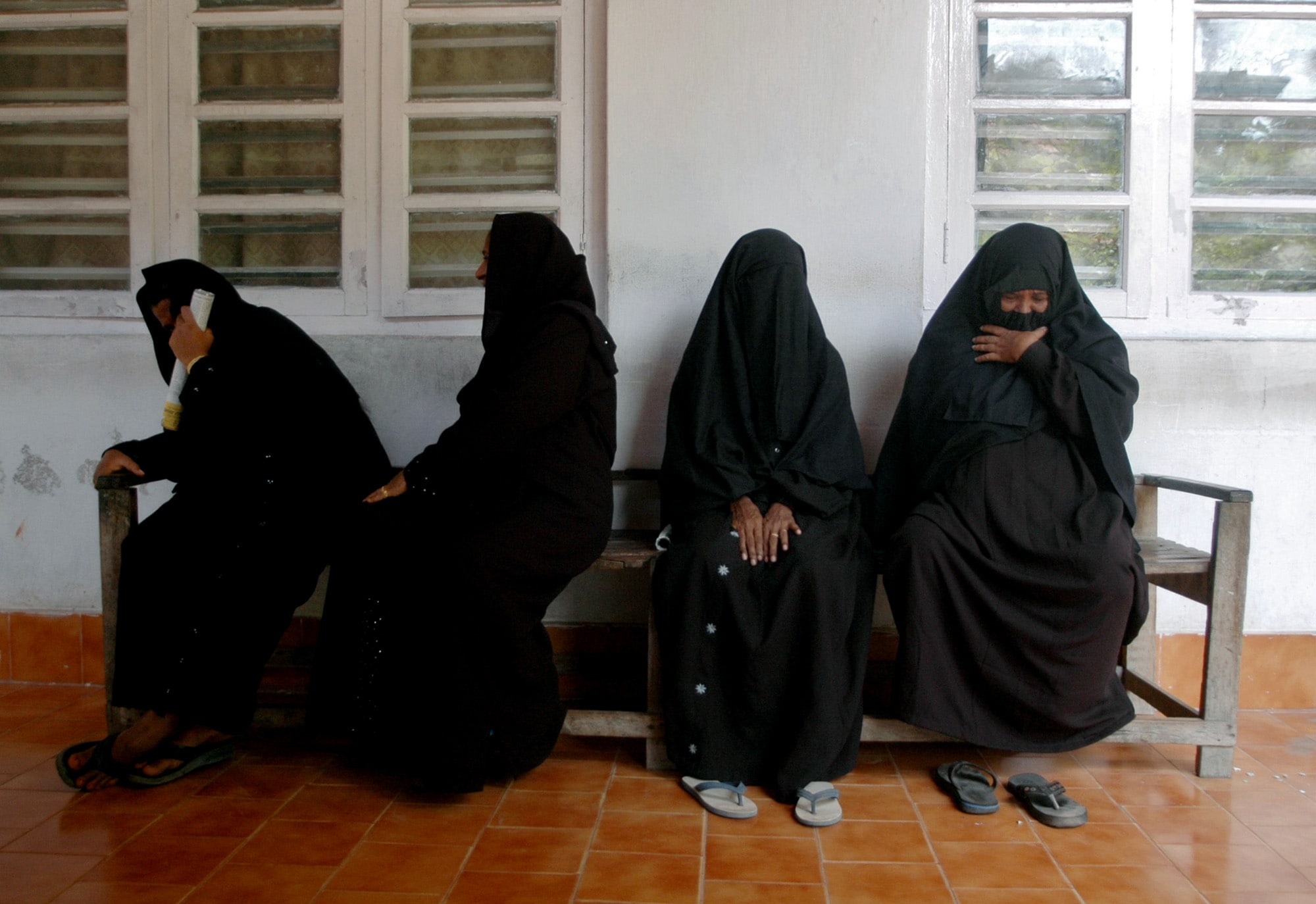
With the 2017 Uttar Pradesh (UP) assembly elections, Muslim representation in India's most populous state has plummeted from 17.1 percent in 2012 to 5.9 percent.
This is equivalent to Muslim representation about a quarter of a century ago, in 1993, following the Babri Masjid riots of 1992 (5.9 percent) and less than two percentage points higher than recorded in 1991 (4.1 percent)–its lowest point–according to an IndiaSpend analysis of data from the Election Commission of India and The Hindu Centre for Politics and Public Policy (Giles Verniers, Uttar Pradesh State Assembly Legislators' dataset), a think tank.
UP has 3.8 crore Muslims–19.2 percent of its 20 crore people–the most of any state and third, by proportion, after Assam and Kerala.
Of 24 Muslim members of legislative assembly (MLAs) who won in 2017, more than half, or 14, had won from the same constituencies before. A sixth of Muslim MLAs have represented their constituencies for the last 15 years at least. None are women (9.9 percent of new MLAs).

The constituencies of Muslim MLAs are largely located in the sub-regions of Rohilkhand and Upper Doab in Western UP and in the Poorvanchal region of eastern UP.
Muslim Representation A Third Of What It Should Be As Per Population
In the 2012 assembly elections, for the first time ever since Independence, Muslims achieved political representation (17.2 percent) almost proportional to their population (19.2 percent, according to the 2011 census).
Five years later, Muslim representation is a third of what it should be in proportion to population.

Muslim under-representation comes with the Bharatiya Janata Party (BJP)–the national ruling party–recording a sweeping victory across UP without fielding any Muslim candidate. The Muslim vote is a determining factor in 34 of 80 Lok Sabha constituencies, and in 130 of 403 assembly constituencies, according to political scientist Giles Verniers in this 2014 report for The Hindu Centre For Politics and Public Policy, a think tank.
While the BJP's popularity, in terms of seats, has increased six-fold–from 47 seats of 403 in 2012 to 312 now–Muslim representation has dropped nearly 65 percent, from 68 seats in 2012 to 24 now, data from the Election Commission of India show.
Similar Under-Representation In The Lok Sabha
Muslims are underrepresented in the Lok Sabha as well.
For the first time since Independence, none of UP's 80 members of Parliament is Muslim.
Between 2010 and 2015, UP witnessed a five-fold increase in communal violence, and the polarisation was evident in village, towns and cities, IndiaSpend reported in February 2017.
The 2017 assembly results are reminiscent of the 1991 elections, when support for the BJP rose three times, as its tally rose from 57 seats in 1989 to 221 seats, and Muslim representation fell by more than half, from 8.9 percent to 4.1 percent, the lowest in post-colonial India.
There are three main reasons for low Muslim representation: Uneven geographic distribution across the state, “lost” seats due to reservations of constituencies for scheduled-caste candidates, and “vote-splitting”, caused by multiple Muslim candidates contesting from the same constituency, according to the Verniers report.
(Saldanha is an assistant editor with IndiaSpend.)
This is an edited version of the article published by IndiaSpend.

-
Getting To Work Costs Women More | The Reason Why

It is not just about women paying more than men. It is about women paying much more in cities than in villages.
-
AI Bias In Investing Cannot Be Eliminated, But It Can Be Governed
Framing is a particularly important example as identical financial information presented in terms of gains rather than losses can lead an LLM to reach a different assessment.
-
Joining The Dots | Dark Skies, Steady Diya: Why Hope Holds This Diwali
With war, a weak rupee and foreign outflows weighing on sentiment, policymakers at the NDTV World Summit and market veterans at NDTV Profit Ignite: Diwali Edition offered the same advice: stay invested and filter out the noise.
-
The Curious Case of Equitas Small Finance Bank And A CEO Who Quit For Stock
PN Vasudevan believes persistent investor concerns over a perceived conflict of interest had become a governance overhang on Equitas Small Finance Bank's stock, even as the lender improved profitability and asset quality.
-
Talking Points This Week: AI Cash Burn, A Tiger Comeback And An India That Still Finds Its Own Path
India is not immune to higher oil or tighter global liquidity, yet its earnings base is broader, its domestic policy levers are still available.
-
Foreign Investors Own Half Of HDFC Bank and ICICI Bank. An LTCG Cut Could Matter Most Here
Foreign portfolio investors have US$115 billion parked in HDFC Bank, ICICI Bank. If the government cuts long-term capital gains tax, Jefferies says returning foreign money could land here first.
-
'Never Seen This Level Of Negativity': Sandeep Tandon Says The Next Rally May Be Closer Than You Think
Veteran investor Sandeep Tandon says foreign selling is easing, large-caps are due a comeback and mid-caps are crowded, while he turns positive on gold, power and pharma this Diwali.
-
Indians Stay With Family, Not In Hotels | The Reason Why
India still lacks enough clean, reliable and affordable hotels for budget-conscious travellers.
-
The Economic Imperative: Analysing The Material Driving Force Behind India-Canada Strategic Reset
This economic complementarity is further reinforced by deep institutional investment ties and talent mobility, which form the bedrock of the bilateral framework.
-
Medicine Pricing: Where Must Profit Stop?
India must confront excessive margins, hidden incentives and regulatory gaps that threaten the integrity of medicine.










