Maharashtra Bans Plastic, Consumers Will Have To Pay More Upfront
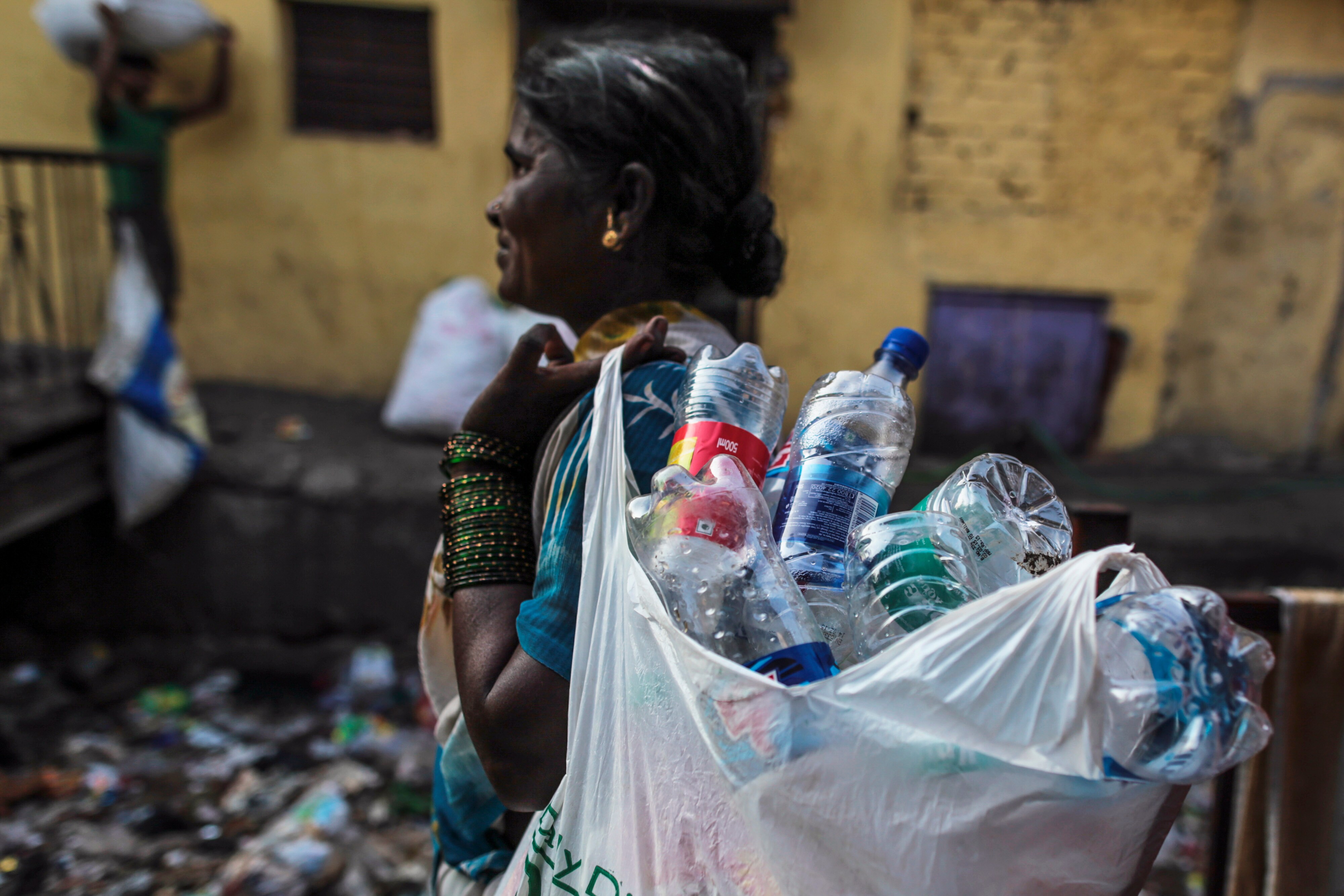
Maharashtra, India's largest generator of plastic waste, has decided to ban the polluting material and make consumers pay more for everything from packaged milk and beverages and then seek refund on returning pouches and bottles.
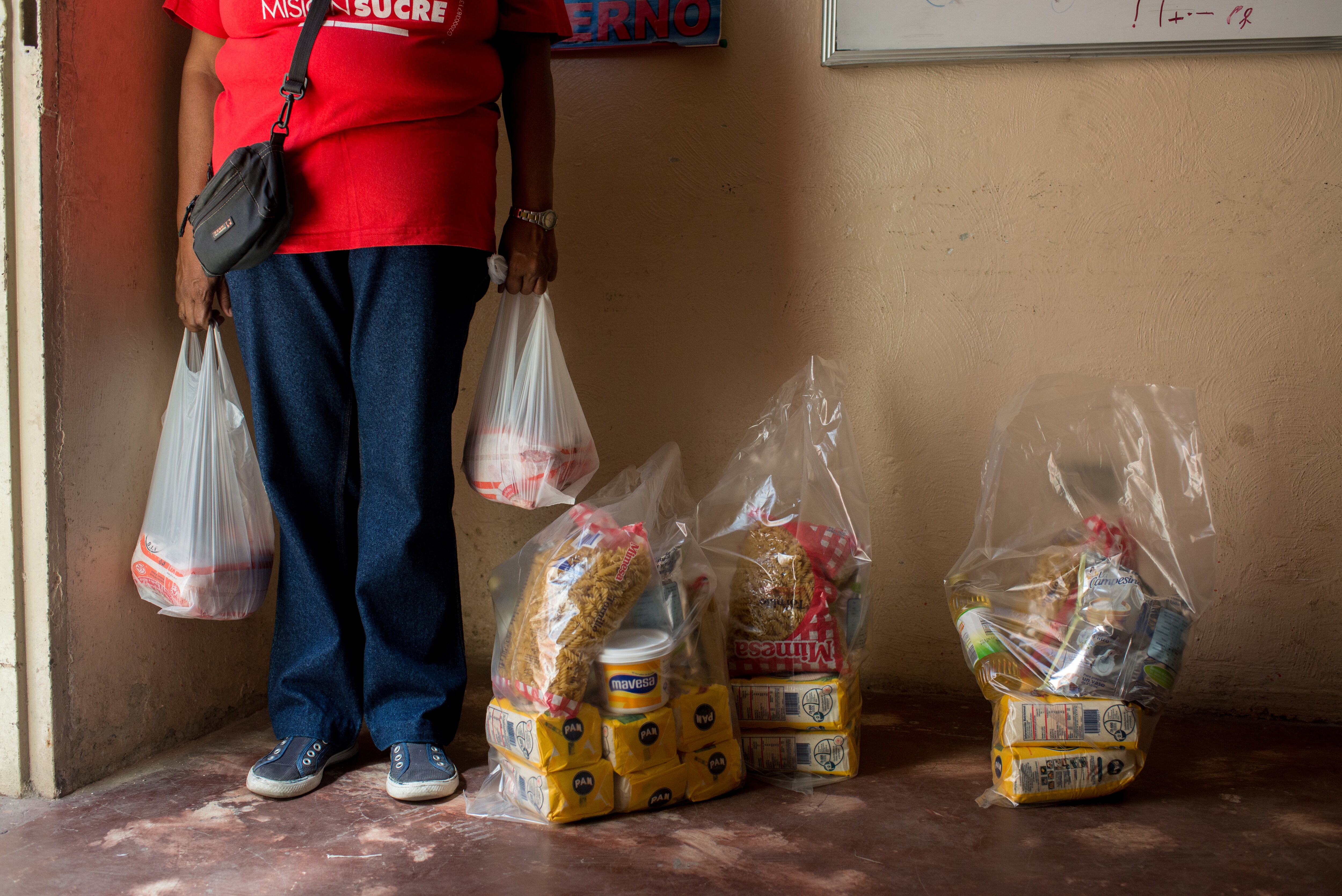
The state cabinet, late on Thursday night, agreed to ban disposable items made of plastic and thermocol, Maharashtra Environment Minister Ramdas Kadam said in a media conference. Plastic carry bags, single-use disposables like cups, straws, plates, forks, spoons and spreadsheets, among others, can't be used starting March 18. Any violation will be punishable with up to three months of jail term and/or a penalty of Rs 5,000-25,000.
The ban excludes material used for packaging medicines, plastic that is thicker than 50 microns, and where the manufacturer takes an extended producer responsibility for recycling it.
Maharashtra, which contributes 30 percent of all plastic waste in India, already didn't allow bags less than 50-micron in thickness in-line with a national policy. Plastics are not biodegradable and can continue to cause land, water and air contamination for up to 500 years. They are responsible for choking the oceans too and waste being washed ashore is a common sight. A study by the Helmholtz Centre for Environmental Research in Germany found that 90 percent of plastic pollutants in the world's oceans come from rivers in India, China and Africa.
The plastic making industry is not happy though. “There is no alternative to plastic except for paper bags. The industry is also big. It will cause huge unemployment that is difficult to quantify,” Ravi Jashnani, president of Maharashtra Plastic Manufacturing Association, told BloombergQuint. “How will the government implement it suddenly?”
The ban has been in the works since last year. “The decision is not taken ad hoc. We started the work on this in November 2017. We have been in talks with various stakeholders. The decision, however, is taken now,” Kadam said. The state will now set up a committee to implement the ban.
Making Users Pay
The government will give companies three to four months of breathing period to find alternatives to banned products, Kadam said. Dairies and manufacturers of packaged drinking water will have to set up recycling plants for plastic pouches and bottles.
For better compliance, state will set up deposit centres for consumers to return plastic items for recycling.
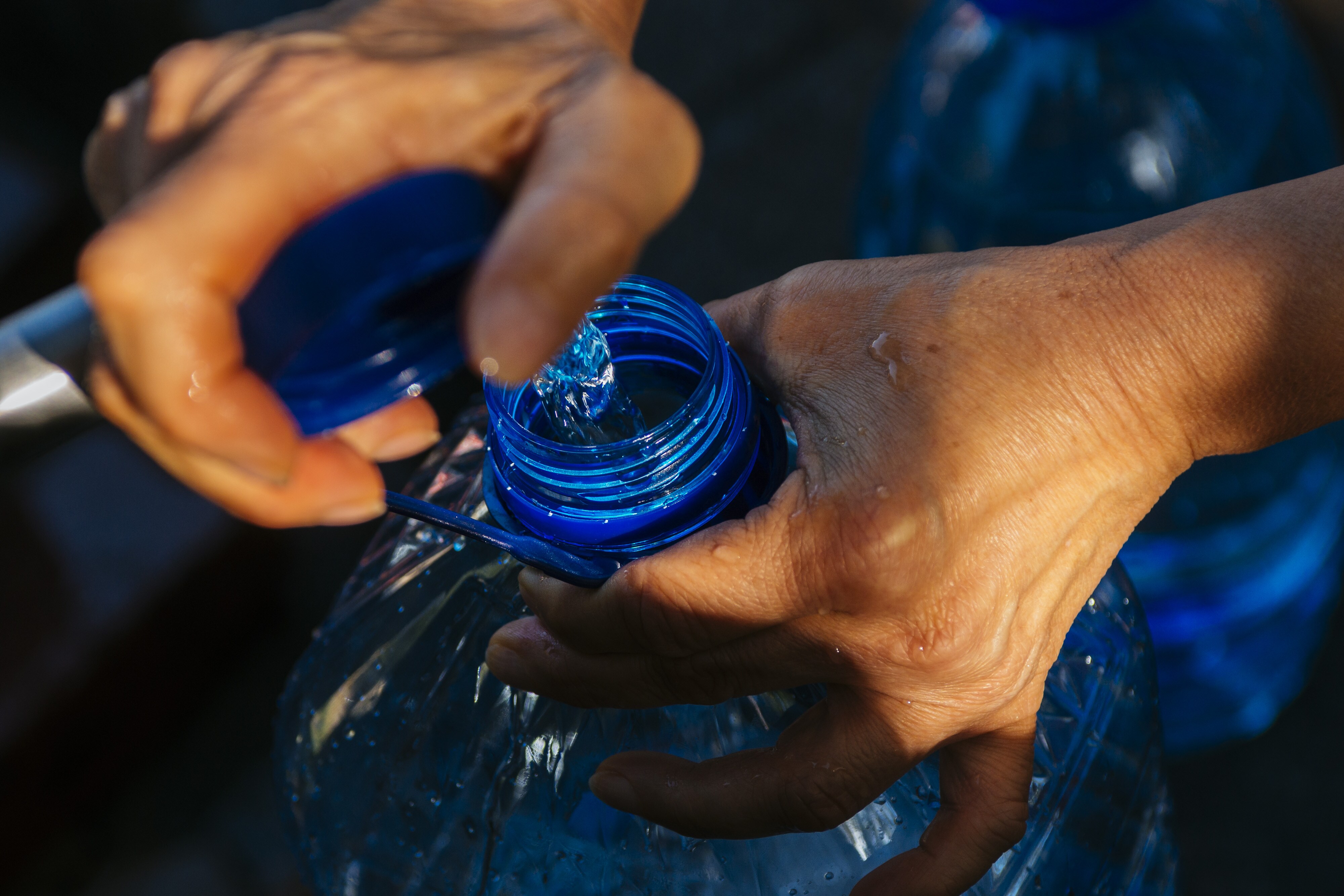
The government will charge additional 50 paise on every milk pouch, which will be refunded if the consumer returns the pouch. The additional upfront payment on PET plastic bottles, the ones used for aerated drinks and water, will be Re 1. That too will be refunded on returning the bottles.
Centres for returning plastic items for recycling will be opened at government offices, municipal wards, sports clubs and other such places, said Aaditya Thackeray, the youth wing leader of ruling alliance partner Shiv Sena who had lobbied for the plastic ban.
“The idea behind this deposit scheme is to make sure that the producers get back the bottles they manufacture and recycle the plastic so not a single bottle flows into the drainage system or goes into the sea,” said Kadam. The state also plans to implement a levy under GST for recycling and reuse of PET bottles which will be collected by local bodies.
The schemes will be reviewed every three months to check implementation and find viable alternatives, Thackeray said. Only those items have been banned where there is an economical and viable alternative, he said. The government recommends using alternatives like paper, jute and glass.
Tough To Implement
While Maharashtra will become the eighteenth state to ban plastics in India, implementation is not easy. Despite the earlier curbs on thinner bags, most vegetable and grocery vendors continue to use them. It's only the larger outlets and shopping malls that ask customers to pay up for bags thicker than 50 microns.
In most parts of India, the bans have been ineffective, according to a 2014 study by environmental NGO Toxics Link. The reasons, it said, range from “slack enforcement by the administration to lack of cost-effective alternatives.”
Environmentalist Pramod Dabrase agreed will take some time to implement the ban. “However, it's become a need of the hour. Also, it is a lifestyle change and people need to contribute to it.”

-
Extracting Value From Battery Scrap Could Be Challenging For India | The Reason Why

A discarded lithium-ion battery still contains valuable materials such as lithium, nickel and cobalt. These can be recovered and reused. When such batteries are crushed and shredded, they produce a dark powder called black mass.
-
One El Nino, India Can Handle. Two Could Break The Granary
India's grain stocks can absorb one bad year, but a second El Nino could drain the buffer in two to three years, economists say.
-
India's Troika Of Good Luck | Joining The Dots
As Jensen Huang's exit drags Nvidia down, a cooling AI trade and resilient earnings have revived investor interest in India. A likely RBI rate hike looms.
-
Talking Points This Week: Leadership Shock At Nvidia, Earnings Strength, And The Fog Over Hormuz
The Anthropic IPO pricing and first trading day, Nvidia's upcoming earnings, and any fresh signals from Iran will set the tone for the following week.
-
Signature Play: The Classic Cocktail Is Dead. Or Is It?
Classic cocktails are disappearing from India's cocktail menus. But they're still being ordered, taught to bartenders and borrowed from. So, who's really having the last drink?
-
A New Samvat Wishlist: Inclusive Prosperity And Human Development
India has strengthened its economic foundations through infrastructure, digital access and enterprise. Its next growth chapter must deepen productivity, create better livelihoods and widen participation in prosperity.
-
Love, Sex Aur Dhokha: The Audacious Plot To Spy On Jensen Huang
A Taipei dinner, a Singapore chip buyer and a suspected Chinese asset: inside the alleged spy operation that got close to NVIDIA's Jensen Huang.
-
Ten Things I Learnt This Samvat
Patience can be a trap. Cheap stocks can stay cheap. Leverage can wipe you out. What did Samvat 2082 teach us? Niraj Shah writes on 10 lessons from the year gone by.
-
Talking Points This Week: Tech Nerves, FII Buying, And A Faraway Banking Shock
The global markets are not shining this Diwali. The exception in the large markets is, India.
-
Midterm Rally Lasted A Day. The Hard Reality Of A Divided US May Last Two Years | Opinion
Between a contested AI boom, a debt ceiling that arrives in 2027 and a president with every incentive to act alone, the next two years may prove more volatile than the first day's rally suggests.









