Madras High Court Stays Ban On Sale And Purchase Of Cattle For Slaughter
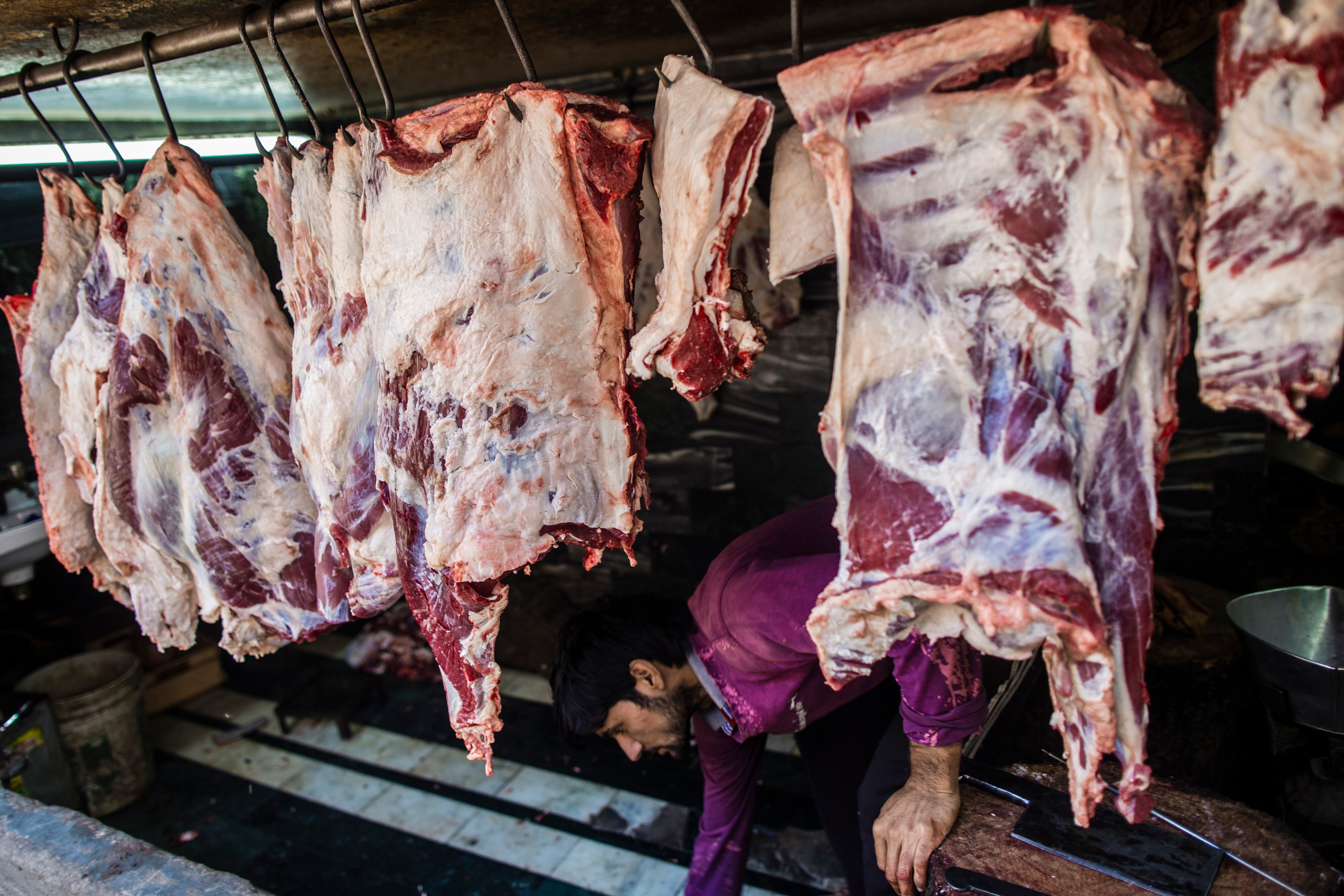
The Madras High Court on Tuesday stayed for four weeks the Centre's notification banning sale and purchase of cattle for slaughter, and sought its response to public interest litigations which contended that the rules should have been approved by Parliament first.
A Madurai bench comprising Justices MV Muralidharan and CV Karthikeyan issued the interim order on the two pleas which said that the rules should be quashed as they were against the Constitution, breached the principle of federalism and were contrary to the parent legislation – Prevention of Cruelty to Animals Act 1960.
Referring to the contention of the petitioners that the notification was related to food and hence ought to have been approved by Parliament, the judges asked the Centre to respond to the point also in its counter to be filed in four weeks.
The order has come amid a raging row on the ban, with non-BJP parties and state governments of Kerala, West Bengal and Puducherry stridently opposing the Centre's recent notification.
Several places in Kerala and Tamil Nadu have been witnessing protests during the past few days against the ban on sale of cattle for slaughter. Protesters have alleged that it infringed upon the food habits of people.
The PILs sought quashing of the provisions of Rule 22(b) (III) and Rule 22(e) of the Prevention of Cruelty to Animals (Regulations of Live stock Markets) Rules 2017 on the grounds that they were contrary to the parent act of Prevention of Cruelty to Animals Act 1960 and the country's Constitution.
Petitioners Selvagomathy and Asik Ilahi Bhava contended that the "provisions breached the cardinal principle of federalism" as it amounted to legislation in the fields earmarked for state legislature.
The petitioners said the provisions were notified on May 23 last when courts were on vacation. Such rules should be discussed in parliament and approved by it. Rules prohibiting sale and purchase of animals offended the right to freedom of religion guaranteed under Constitution, they submitted.
"The slaughtering of animals for food, the foods and culinary made out of such animal flesh and offering sacrifice of animals are part of cultural identity of most communities in India, protected under constitution," the PILs said.
They said the rules, which deprived the people of the right to sell or purchase any animal for sale or slaughter as part of meat vending business, were a burdensome interference in the freedom of trade and business guaranteed under the Constitution.
The farmers and other traders involved in sale of cattle or other animals and slaughter houses and its employees would be gravely deprived of their right to livelihood, they said.
The right to choice of food (non-vegetarian or vegetarian) was part of the right to personal liberty and conscience and privacy.
By imposing the ban on slaughter of animals for food, the citizens with the choice of eating meat would be deprived of such food, the petitioners said.
They also contended that the impugned regulations though framed in furtherance of Prevention of Cruelty to Animals Act 1960, which tend to regulate live stock markets to preserve and improve stocks, is in pith and substance a legislation on the fields earmarked for state legislature and breached the cardinal principle of federalism.
The petitioners also said already local bodies had been prohibiting slaughter of animals.
Anti-social elements were policing shops and houses of persons belonging to minority and dalit communities and had been attacking shops sighting the impugned provisions, they alleged and urged the court to intervene.
Also Read: Shashi Tharoor: Centre's Beef With Beef Defies ‘Live and Let Live'

-
We May Need Another Tukaram Mundhe To Fight Air Pollution | The Reason Why

Developers may install basic measures such as sprinklers and green nets, resume work, and continue violating rules when this equipment stops working.
-
Extracting Value From Battery Scrap Could Be Challenging For India | The Reason Why
A discarded lithium-ion battery still contains valuable materials such as lithium, nickel and cobalt. These can be recovered and reused. When such batteries are crushed and shredded, they produce a dark powder called black mass.
-
One El Nino, India Can Handle. Two Could Break The Granary
India's grain stocks can absorb one bad year, but a second El Nino could drain the buffer in two to three years, economists say.
-
India's Troika Of Good Luck | Joining The Dots
As Jensen Huang's exit drags Nvidia down, a cooling AI trade and resilient earnings have revived investor interest in India. A likely RBI rate hike looms.
-
Talking Points This Week: Leadership Shock At Nvidia, Earnings Strength, And The Fog Over Hormuz
The Anthropic IPO pricing and first trading day, Nvidia's upcoming earnings, and any fresh signals from Iran will set the tone for the following week.
-
Signature Play: The Classic Cocktail Is Dead. Or Is It?
Classic cocktails are disappearing from India's cocktail menus. But they're still being ordered, taught to bartenders and borrowed from. So, who's really having the last drink?
-
A New Samvat Wishlist: Inclusive Prosperity And Human Development
India has strengthened its economic foundations through infrastructure, digital access and enterprise. Its next growth chapter must deepen productivity, create better livelihoods and widen participation in prosperity.
-
Love, Sex Aur Dhokha: The Audacious Plot To Spy On Jensen Huang
A Taipei dinner, a Singapore chip buyer and a suspected Chinese asset: inside the alleged spy operation that got close to NVIDIA's Jensen Huang.
-
Ten Things I Learnt This Samvat
Patience can be a trap. Cheap stocks can stay cheap. Leverage can wipe you out. What did Samvat 2082 teach us? Niraj Shah writes on 10 lessons from the year gone by.
-
Talking Points This Week: Tech Nerves, FII Buying, And A Faraway Banking Shock
The global markets are not shining this Diwali. The exception in the large markets is, India.









