Loan Moratorium: Government’s Proposals Don’t Address All Concerns, Petitioners Say
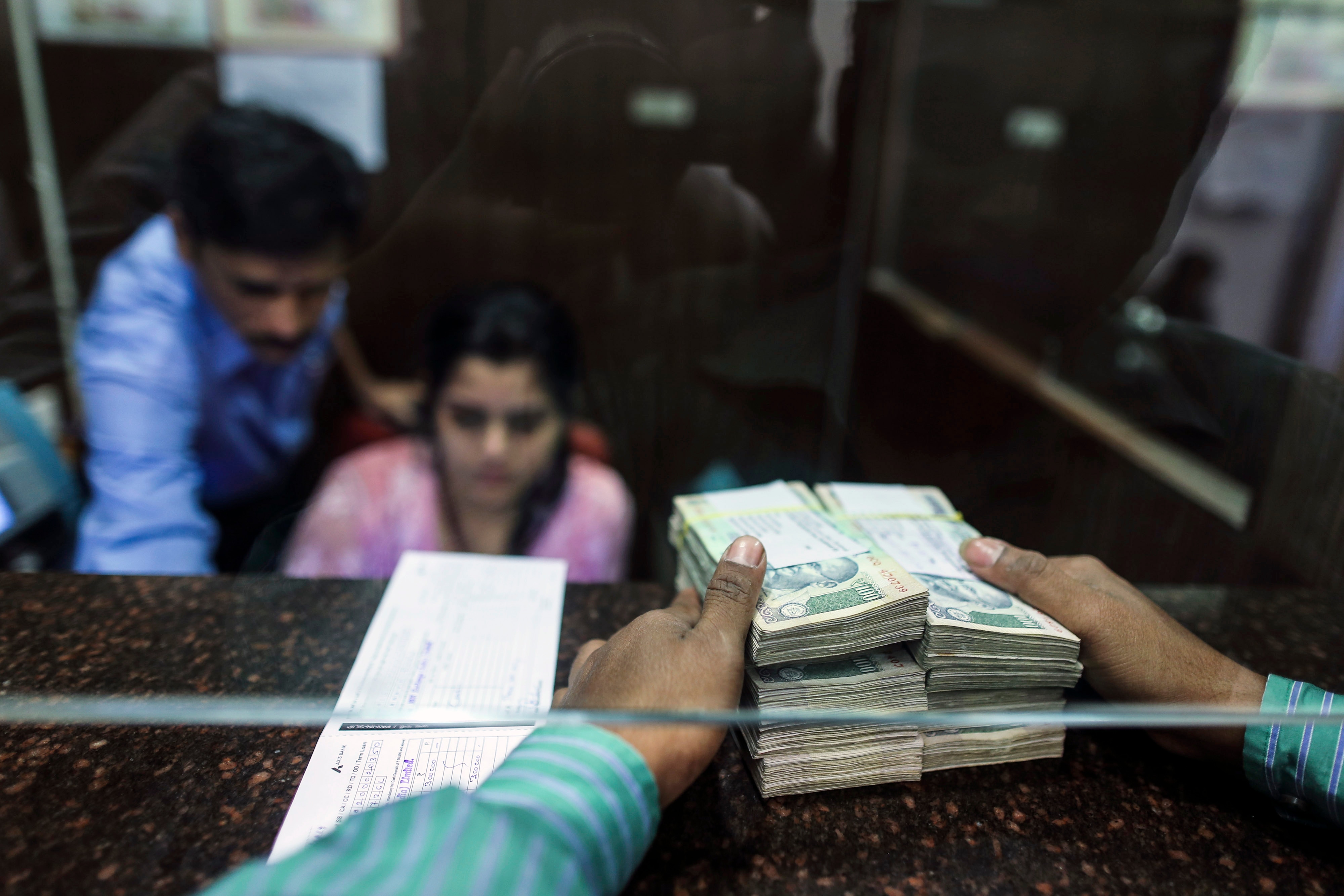
The decision to waive compound interest for the “most vulnerable category of borrowers” was taken at the highest levels, the government told the Supreme Court today.
The matter relates to “charging compound interest and credit rating/downgrading'' during the six-month moratorium announced in the wake of the Covid-19 outbreak.
In response to the government's affidavit proposing the waiver for certain borrowers, petitioners from the real estate sector and power producers complained that their concerns have still not been addressed. The parties told the court that they need more time to file a reply to the government's affidavit and requested for an adjournment of the hearing on Monday.
‘'There are a lots of facts and figures in the affidavit which do not have any basis. We want to file a detailed reply so that the court has the data before it applies its mind on the issue,'' Senior Advocate Kapil Sibal appearing for power producers' association told the court.
The Solicitor General of India Tushar Mehta didn't object to the petitioners' request for more time but informed the court that the decision, outlined in the affidavit, was taken after considering a holistic view of the problem, after consulting the stakeholders and the resources available with the government.
The central government has decided to continue the tradition of hand-holding small borrowers and waive compound interest on loans up to Rs 2 crores. In its affidavit, the government has proposed waiver of interest on interest for loans in the following categories:
- MSME loans up to Rs 2 crore
- Education loans up to Rs 2 crore
- Housing loans up to Rs 2 crore
- Consumer durable loans up to Rs 2 crore
- Credit card dues up to Rs 2 crore
- Auto loans up to Rs 2 crore
- Personal loans to professionals up to Rs 2 crore
- Consumption loans up to Rs 2 crore
The court has granted one week time to the parties to file the reply to the government's affidavit. It has also asked the government to place on record the Kamath Committee report which addresses the issue of big borrowers.
The apex court is hearing a batch of petitions seeking relief in the form of waiver of interest payment on these loans. The court, however, in previous hearings said it was inclined to examine whether there can be a relief on interest upon interest during the moratorium period.
The moratorium terms set by the Reserve Bank of India required borrowers to pay deferred interest, or what the petitioners in this case are referring to as interest on interest for the period of standstill.
The Supreme Court will now hear the matter on Oct. 13.

-
'Never Seen This Level Of Negativity': Sandeep Tandon Says The Next Rally May Be Closer Than You Think

Veteran investor Sandeep Tandon says foreign selling is easing, large-caps are due a comeback and mid-caps are crowded, while he turns positive on gold, power and pharma this Diwali.
-
Indians Stay With Family, Not In Hotels | The Reason Why
India still lacks enough clean, reliable and affordable hotels for budget-conscious travellers.
-
The Economic Imperative: Analysing The Material Driving Force Behind India-Canada Strategic Reset
This economic complementarity is further reinforced by deep institutional investment ties and talent mobility, which form the bedrock of the bilateral framework.
-
Medicine Pricing: Where Must Profit Stop?
India must confront excessive margins, hidden incentives and regulatory gaps that threaten the integrity of medicine.
-
Why Amazon And Flipkart Are Struggling To Beat Meesho In India's Smaller Cities
With 274 million users and lowest-cost logistics, Meesho is defending its value commerce crown against giants like Amazon and Flipkart.
-
High US Salaries, No Green Card Certainty: The Financial Calculation Facing Indian H-1B Families
The suspension of PERM processing at eight technology employers does not cancel existing H-1B visas. What it does is force a question many Indian families have been avoiding: is the US salary worth tying your career and family plans to one employer?
-
Swiggy vs Eternal: Food Delivery's Two Rivals Are No Longer In The Same Race
Eternal is building a private AI assistant, dark.ai. Swiggy is still working out how to make Instamart pay, with an operating loss of Rs 895 crore in the July-September quarter while Blinkit stayed profitable.
-
Where You Live Shapes How You Get To Work | The Reason Why
Two-wheelers are the most popular way to get to work in India, accounting for nearly 43% of workplace commutes.
-
Unhedged Position: Can India See An Indonesia-Style Time Correction?
The Nifty is trading below levels it first clocked in 2024. Is there, then, as I have suggested in the headline, potential that the current time correction drags on painfully for the next three-five, even ten years?
-
Navigating Friction And Energy Realities: An Analysis Of Marco Rubio's October Visit To India
Occurring at a critical juncture marked by stalled trade negotiations and escalating geopolitical pressures over global energy supplies, the visit offers a profound window into modern US-India relations.










