Iran Attack Tests Limits Of US-Backed Israeli Air Defenses
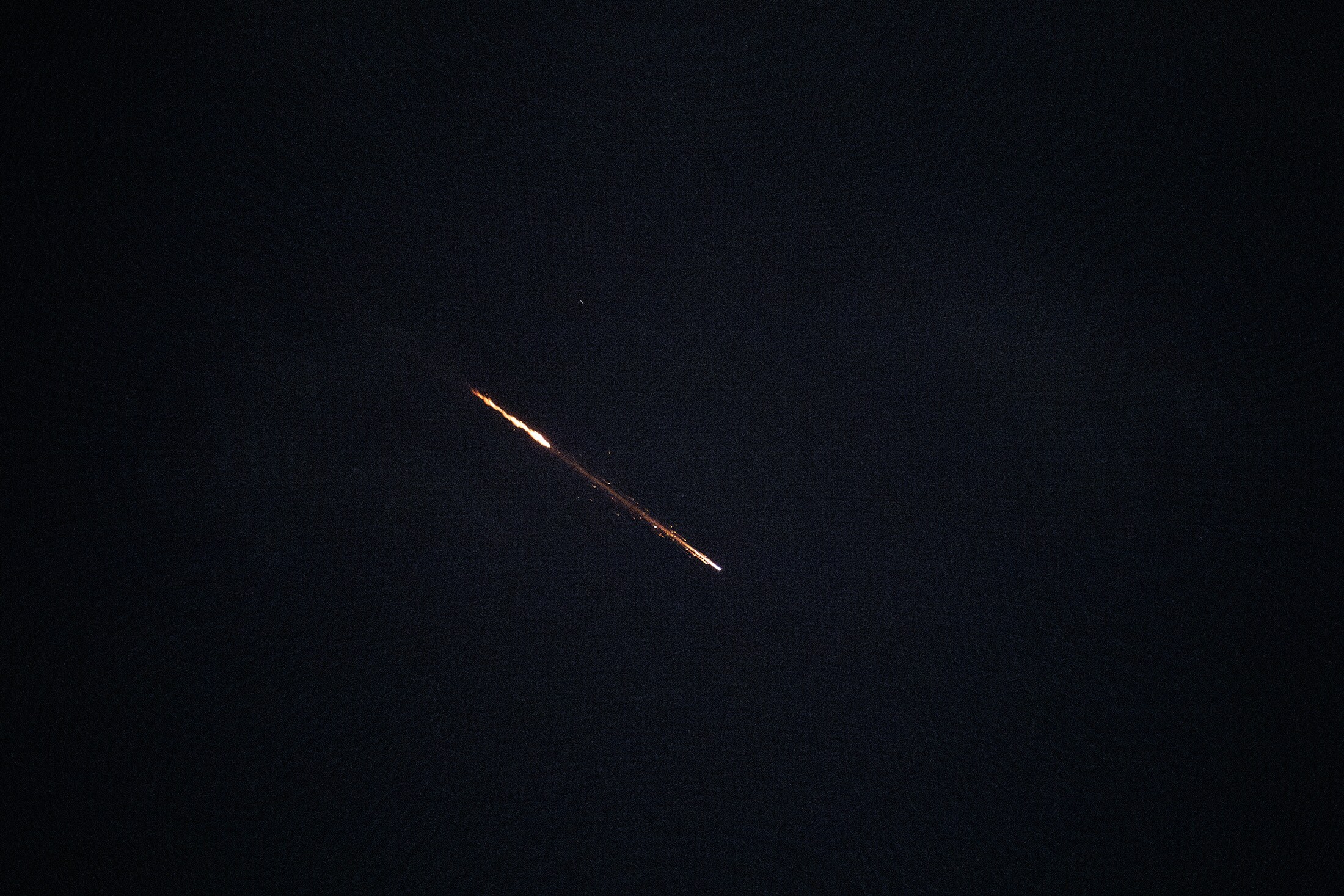
(Bloomberg) -- Early signs suggest Israel's vaunted air defenses passed their biggest test yet, repelling an unprecedented barrage from Iran.
Israel and its allies intercepted the “vast majority” of the 200 drones and missiles fired by Iran, most before they entered Israeli airspace, military spokesman Daniel Hagari said in a briefing. He said the only impacts were to a 10-year-old girl who was badly wounded and minor damage to an army base.
The attack drones and cruise missiles “are likely part of a coordinated multi-phase response in an attempt to overwhelm and confuse Israeli air defenses,” said Michael DiMino, a former CIA analyst and current fellow at Defense Priorities. Iranian state media said the country had also fired ballistic missiles, which may be far more powerful and fly in a high arc before hitting their targets.
Israel's US-backed system of interconnected radar and mobile missile batteries is designed to shoot down rockets, missiles and mortars that could hit Israeli population centers or important infrastructure. It has been lauded for reaching a 90% interception rate in past attacks.

Read More: Israel's Iron Dome Risks Getting Overstretched If War Widens
US and UK forces also sought to repel the attack. A US defense official said its forces in the region shot down Iranian-launched drones targeting Israel, while the UK Defense Ministry said it deployed Royal Air Force jets.
Iran will likely carefully monitor the Israeli and US response to see how its technology competes with Western air systems and tactics, according to a former US intelligence official, who asked not to be identified given the sensitivity of the issue. Iran could use those insights for future attacks, as well as share it with proxies to improve their effectiveness with Iranian weapons.
The most well-known of Israel's air defenses is Iron Dome, which has shot down thousands of rockets since 2011 but is limited to a short range.
Israel also has a medium-to-long-range interceptor known as David's Sling, plus the Arrow defense system, which is designed to intercept missiles fired from as far away as 2,400 kilometers. That range includes Iran, as well as Yemen, Syria and Iraq, where militant groups allied with Iran are based.
The slow-moving drones are meant “to confuse the radar systems in Israel and then make sure that the missiles that would follow the drones would hit their intended targets,” avoiding the “major humiliation” of all its projectiles being shot down, said Ali Vaez, Iran project director at the International Crisis Group.
--With assistance from Annmarie Hordern and Ethan Bronner.
(Updates with US actions from fifth paragraph.)
More stories like this are available on bloomberg.com
©2024 Bloomberg L.P.

-
Signature Play: The Classic Cocktail Is Dead. Or Is It?

Classic cocktails are disappearing from India's cocktail menus. But they're still being ordered, taught to bartenders and borrowed from. So, who's really having the last drink?
-
A New Samvat Wishlist: Inclusive Prosperity And Human Development
India has strengthened its economic foundations through infrastructure, digital access and enterprise. Its next growth chapter must deepen productivity, create better livelihoods and widen participation in prosperity.
-
Love, Sex Aur Dhokha: The Audacious Plot To Spy On Jensen Huang
A Taipei dinner, a Singapore chip buyer and a suspected Chinese asset: inside the alleged spy operation that got close to NVIDIA's Jensen Huang.
-
Ten Things I Learnt This Samvat
Patience can be a trap. Cheap stocks can stay cheap. Leverage can wipe you out. What did Samvat 2082 teach us? Niraj Shah writes on 10 lessons from the year gone by.
-
Talking Points This Week: Tech Nerves, FII Buying, And A Faraway Banking Shock
The global markets are not shining this Diwali. The exception in the large markets is, India.
-
Midterm Rally Lasted A Day. The Hard Reality Of A Divided US May Last Two Years | Opinion
Between a contested AI boom, a debt ceiling that arrives in 2027 and a president with every incentive to act alone, the next two years may prove more volatile than the first day's rally suggests.
-
Blue Wave Will Derail the AI Trade but Won't Dismantle the AI Era | Unhedged Position
The Democrats' sweep of the US Congress will see politics collide with economic forces both over the long and short term.
-
It's Time To Take The GST Council's Bet On Trust Global
Payment records can prove India's services exports, and clear, proportionate rules can bring foreign digital sellers into the tax net.
-
Opinion | India at 38: From Innovation Overperformer to Innovation Powerhouse
India now has 453 VC-backed deep science startups, 18 of them late-stage, after 117 percent growth since 2020. Laurus Labs, at USD 9.3 billion, is the most valuable deep science company in any middle-income economy outside China.









