India Suffering Worst Water Crisis In History: NITI Aayog
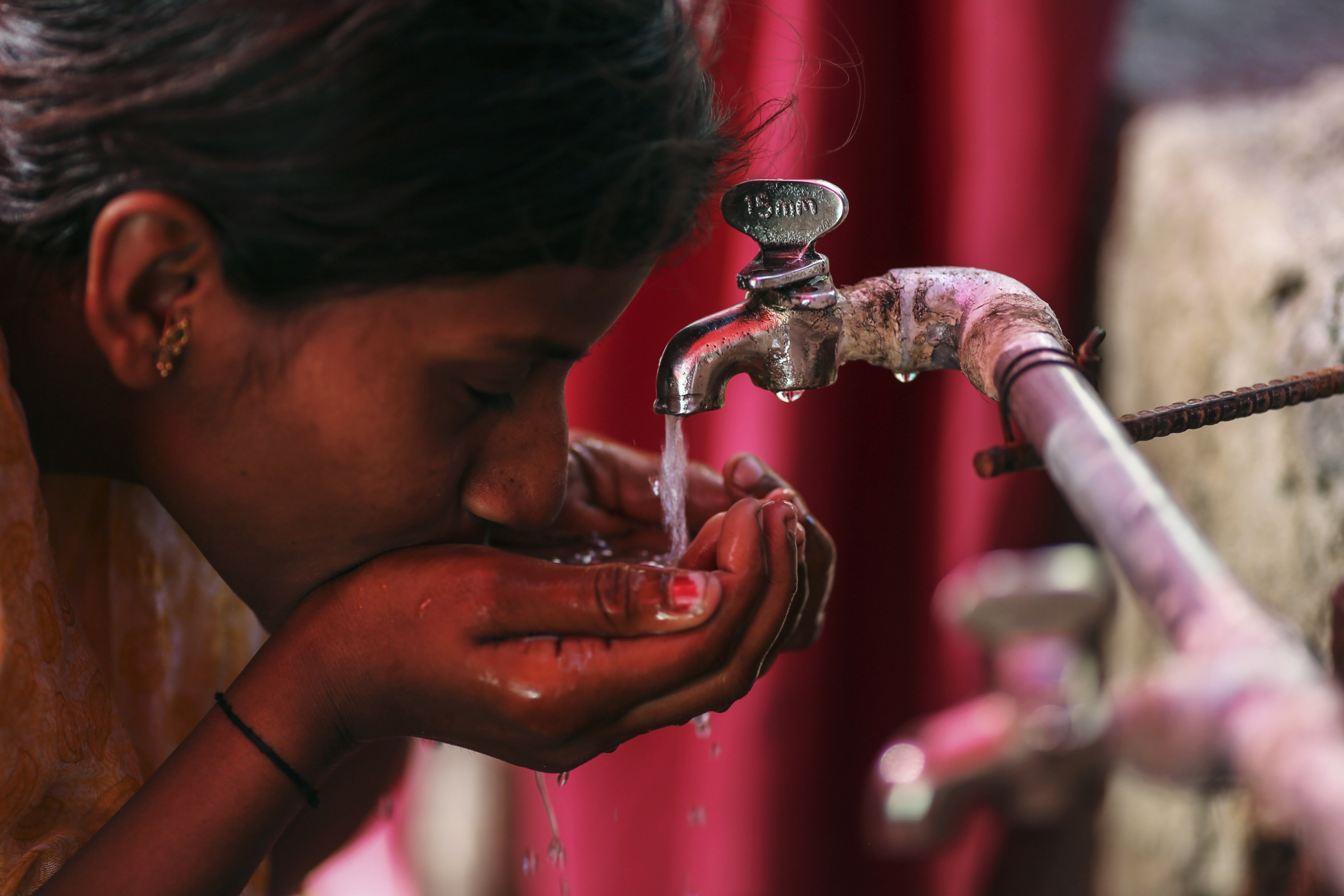
India is suffering from ‘the worst water crisis' in its history with about 60 crore people facing high to extreme water stress and about two lakh people dying every year due to inadequate access to safe water, NITI Aayog said in a report.
The report, titled ‘Composite Water Management Index' released by Minister for Water Resources Nitin Gadkari, further said the crisis is only going to get worse.
“By 2030, the country's water demand is projected to be twice the available supply, implying severe water scarcity for hundreds of millions of people and an eventual 6 percent loss in the country's GDP,” the report noted.
Citing data by independent agencies, the report pointed out that with nearly 70 percent of water being contaminated, India is placed at 120th among 122 countries in the water quality index.
“Currently, 60 crore Indians face high to extreme water stress and about two lakh people die every year due to inadequate access to safe water,” NITI Aayog said in the report. It stressed that there is an imminent need to deepen understanding of water resources and usage.
Citing data by agencies like Dalburg Analysis, FAO and UNICEF, the report said 40 percent of population will have no access to drinking water by 2030 and 21 cities, including New Delhi, Bengaluru and Hyderabad, will run out of groundwater by 2020, affecting 10 crore people.

NITI Aayog has ranked the states through first of its kind index on the composite water management, comprising nine broad sectors with 28 different indicators covering various aspects of ground water, restoration of water bodies, irrigation, farm practices, drinking water, policy and governance.
Meanwhile, Gujarat has topped the NITI Aayog's composite water management index, while tribal state Jharkhand was adjudged as the worst performer.

-
We May Need Another Tukaram Mundhe To Fight Air Pollution | The Reason Why

Developers may install basic measures such as sprinklers and green nets, resume work, and continue violating rules when this equipment stops working.
-
Extracting Value From Battery Scrap Could Be Challenging For India | The Reason Why
A discarded lithium-ion battery still contains valuable materials such as lithium, nickel and cobalt. These can be recovered and reused. When such batteries are crushed and shredded, they produce a dark powder called black mass.
-
One El Nino, India Can Handle. Two Could Break The Granary
India's grain stocks can absorb one bad year, but a second El Nino could drain the buffer in two to three years, economists say.
-
India's Troika Of Good Luck | Joining The Dots
As Jensen Huang's exit drags Nvidia down, a cooling AI trade and resilient earnings have revived investor interest in India. A likely RBI rate hike looms.
-
Talking Points This Week: Leadership Shock At Nvidia, Earnings Strength, And The Fog Over Hormuz
The Anthropic IPO pricing and first trading day, Nvidia's upcoming earnings, and any fresh signals from Iran will set the tone for the following week.
-
Signature Play: The Classic Cocktail Is Dead. Or Is It?
Classic cocktails are disappearing from India's cocktail menus. But they're still being ordered, taught to bartenders and borrowed from. So, who's really having the last drink?
-
A New Samvat Wishlist: Inclusive Prosperity And Human Development
India has strengthened its economic foundations through infrastructure, digital access and enterprise. Its next growth chapter must deepen productivity, create better livelihoods and widen participation in prosperity.
-
Love, Sex Aur Dhokha: The Audacious Plot To Spy On Jensen Huang
A Taipei dinner, a Singapore chip buyer and a suspected Chinese asset: inside the alleged spy operation that got close to NVIDIA's Jensen Huang.
-
Ten Things I Learnt This Samvat
Patience can be a trap. Cheap stocks can stay cheap. Leverage can wipe you out. What did Samvat 2082 teach us? Niraj Shah writes on 10 lessons from the year gone by.
-
Talking Points This Week: Tech Nerves, FII Buying, And A Faraway Banking Shock
The global markets are not shining this Diwali. The exception in the large markets is, India.









