India Makes Progress Curbing Crop Burning In Bid To Combat Smog
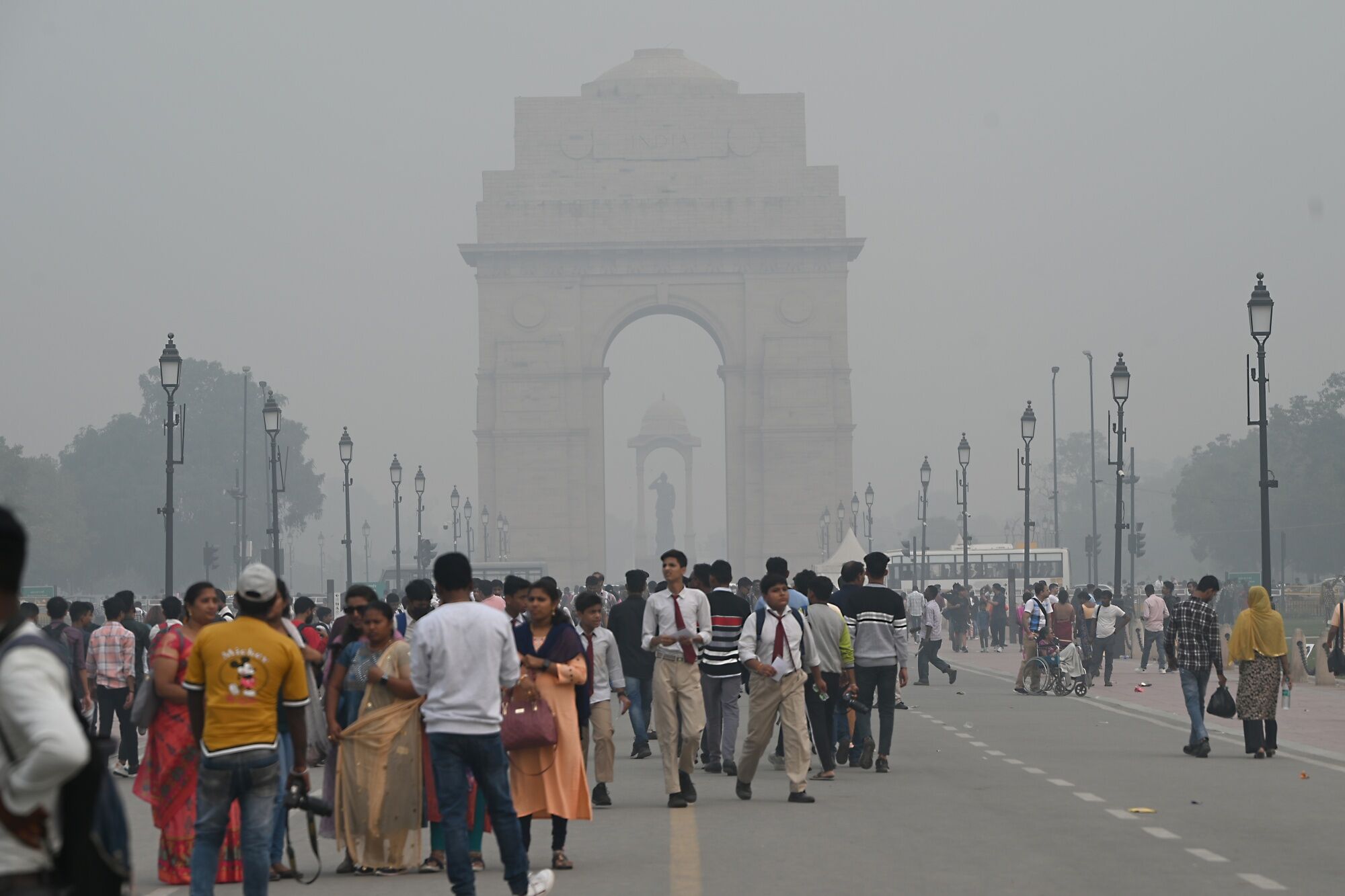
(Bloomberg) -- Farm fires in the north Indian agrarian states of Punjab and Haryana declined over the past two years, satellite data show, a silver lining for the region struggling with seasonal smog.
After the harvesting the summer crops, farmers burn crop residues to speed up the sowing cycle, generating smoke that is swept toward the nearby cities. This year, the number of incidents in Punjab between September 15 to November 7 declined 35% on year, to around 21,000 episodes, according to Punjab Remote Sensing Centre data. Fires recorded in Haryana between Oct. 1 and Nov. 5 are 38% lower than in the same period last year, according to NASA data analyzed by the consultancy Climate Trends.
Despite a significant reduction in biomass burning in rural areas, the capital's air remains poor, forcing the local government to close schools and implement emergency response plans.
Air quality will likely worsen toward the end of December, said Anju Goel, a fellow with the Air Quality Research Division at The Energy and Resources Institute, a Delhi-based think tank. “Farm fires don't' continue throughout the winter season,” she said. The main challenge, she added, is dust. “Indian cities are full of dust from construction and other activities.”
On Tuesday, the concentration of fine particulate matter, so-called PM2.5, was 15 times above the WHO recommended threshold of 15. Sustained exposure to air pollution has been linked to a range of severe health conditions including heart and lung disease, increase risk of stroke and lower life expectancy. In response to the worsening air quality, the Supreme Court of India imposed a blanket ban on stubble burning in five states across the capital's air pollution catchment area.
While farm fires remain a significant contributor to Delhi's pollution, lawyer Aparajita Singh told the apex court, crop burning only contributes to about 20% of the total. According to studies, the problem is rooted in a multitude of factors, including road traffic, construction work, industrial emissions and weather conditions that prevent the dispersal of pollutants.
“There is no single factor responsible for poor air quality as it is a mix of several issues,” Punjab Pollution Control Board Chairman Adarsh Pal Vig said. “The blame on farm fires is a flawed narrative.” He added that Punjab has set a goal to cut farm fires by 50% compared to last year.
Punjab cut farm fires by deploying pellet-making plants that use agricultural waste as feedstock, distributing a fungus-based compound that helps decompose straw in the fields, and encouraging farmers to avoid the practice.
--With assistance from Shruti Mahajan and Gina Turner.
More stories like this are available on bloomberg.com
©2023 Bloomberg L.P.

-
One Battle After Another: India's Corporate Dynasties Battle For Control

2026 could go down as Corporate India's year of succession wars, governance battles and family fault lines.
-
Rs 50-Lakh Gold In Bank Locker, Rs 3 Lakh Of Protection: The Gap Most Families Don't Know About
The RBI ties a bank's liability to the annual locker rent and families who want to insure their jewellery face a separate question about how to prove what was inside.
-
The More Food Turns Into Fuel, The Harder It Is To Read Agricultural Markets | The Reason Why
A policy designed to reduce dependence on imported fuel can create new pressures elsewhere in the food economy.
-
Your iPhone Costs 12 Grams Of Gold, A Car About 100. What Does Your Life Weigh?
Measured in rupees, almost everything looks more expensive than it did a generation ago. Measured in grams of gold, a lot of it has become cheaper.
-
Gold Is Rs 22,000 Cheaper Than A Month Ago. Should You Buy Amid The Wedding Season?
Gold's potential slide to $3,500 could save around Rs 4,700 per 10 grams, but a soft inflation print could just as easily push prices back up. One way to split the risk is to buy in parts, some now and the rest after the Fed's Dec. 9 decision.
-
AI Agents Are Gaining Power. Who Governs Them?
Artificial intelligence agents promise to transform productivity by moving machines from assisting decisions to executing them. But as organisations delegate greater authority to these AI-agents, they must first establish who controls that authority and who remains accountable when things go wrong.
-
Why Swapping Your Old Gold Can Trigger A Rs 5 Lakh Tax Bill, And How You Can Avoid It Legally
Swapping old gold for new is taxed as a sale and a fresh purchase. Getting your own gold remade can cut most of that bill, though it has its own costs.
-
The AI Trade is Done. The Real Opportunity for Investors Starts in 2027 | Unhedged Position
As pureplay AI stocks plunge and circular, capex-led financing unwinds, 2027 is set to be a year of reckoning for AI companies. Yet the bust clears the way for a better opportunity for investors in 2027 -- shifting the spotlight from AI builders to the companies using AI.
-
Leadership As Mission: Why The Age Of AI Demands More Human Leadership
Debjani Ghosh examines how AI is changing leadership, arguing that its success must be measured by its impact on people and the accountability of those guiding its use.
-
We May Need Another Tukaram Mundhe To Fight Air Pollution | The Reason Why
Developers may install basic measures such as sprinklers and green nets, resume work, and continue violating rules when this equipment stops working.









