GST: No Resolution For A Four-Year-Old Annuity Problem
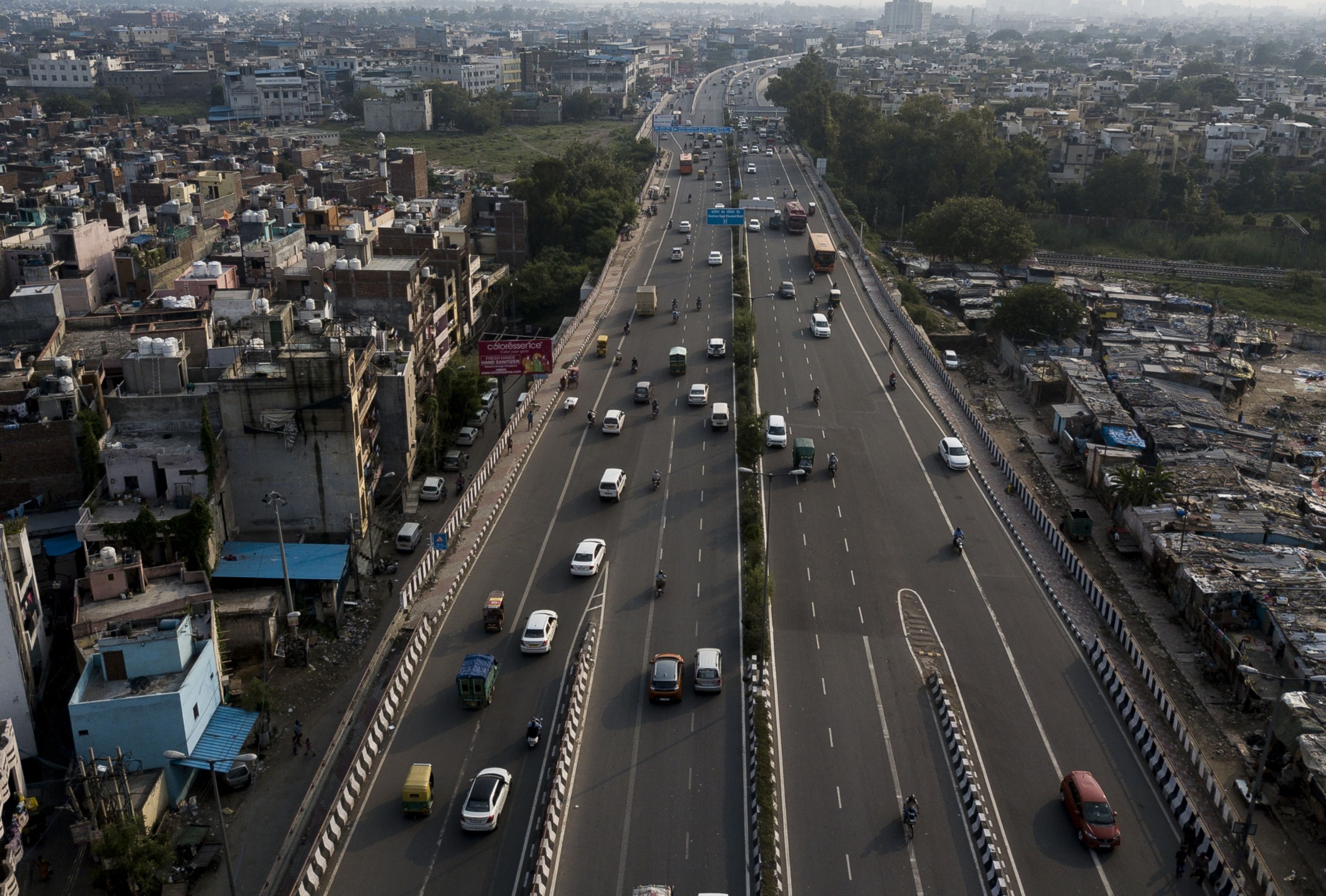
In a major blow to contractors, the government has clarified that the annual deferred payments, called annuity, received by them for construction of roads and highway are taxable under GST.
In a clarificatory circular, the government has said these payments aren't covered under the Goods and Services Tax exemption.
Since it's a clarificatory circular, it means it's merely stating the position of law as it stood from October 2017, Saloni Roy, senior director at Deloitte India, said. “Thus, contractors who may have claimed exemption on the basis of earlier interpretation may now be asked to pay GST upfront.”
Roy explained this can potentially translate into a huge liability for the contractors since it's unclear whether National Highways Authority of India or state highway authorities will refund this amount to them.
What Are Annuity Payments?
NHAI and the various state highway authorities are responsible for highway and road construction. These authorities award highway construction projects to contractors.
For their services, contractors can be compensated in two ways.
In some cases, they can be given the right to collect toll from end-users for a certain period. Toll charge is an access fee collected from end-users for using roads and highways. These toll charges collected by contractors are exempt from GST.
In other cases, the highway authority itself collects toll and gives a series of annual payments to the contractor at a later stage. This is the annuity payment for construction services.
GST: Confusion Over Annuity Payments
Back in 2017, the GST Council had recommended that annuity payments for “road construction” be exempt from GST.
Soon after, the government issued a notification on this issue but with a different wording. It provided an exemption for annuity payments received for “access to roads and bridges”.
Unclear by what this language sought to include or exclude, a ruling by the Rajasthan Appellate Authority for Advance Ruling became the guiding light. Annuity payments received by a contractor for construction of services in lieu of right to collect toll are exempt from GST, the authority had ruled.
Due to lack of clarity as to the scope of this exemption, the use of the term “annuity” in the government notification combined with the fact that the GST Council had in fact recommended so earlier and Rajasthan AAAR's order, the exemption was being interpreted in a different manner, Abhishek Rastogi, partner at Khaitan & Co., pointed out.
Road contractors had started claiming exemption on annuities paid to them by highway authorities for construction services under this exemption entry.Abhishek Rastogi, Partner, Khaitan & Co.
Government's Latest Clarification
Prompted by wide representations and litigation on this issue, the government issued a clarification on June 17.
The circular clarifies that annuity payments which are for construction of road services are not exempt under GST. Only such annuity payments which allow access to road or bridge are exempt.
It's has now been made clear that GST will be levied on annuity payments made by NHAI to contractors, Roy pointed out. “Though the responsibility to pay GST to the government is primarily of the contractor, being an indirect tax levy, the burden will now pass on the highway authorities.”
But what continues to confound experts is what are these annuity payments that the government is saying are exempt.
Rastogi said one way to interpret government's June 17 circular is to perhaps say that lump sum toll charges are exempt from GST.
For instance, he pointed out, end users aren't often charged toll for certain period on a newly constructed highway. For that the period, a lump sum amount equivalent to the toll revenue that could have been generated is given to the contractor.
Other examples can be where companies pay lump amount to toll operators to allow its employees to use toll roads free of cost. Or where cab aggregators pay a lump sum amount as toll charges for their drivers. “This exemption may seek to cover these cases,” Rastogi said.

-
One Battle After Another: India's Corporate Dynasties Battle For Control

2026 could go down as Corporate India's year of succession wars, governance battles and family fault lines.
-
Rs 50-Lakh Gold In Bank Locker, Rs 3 Lakh Of Protection: The Gap Most Families Don't Know About
The RBI ties a bank's liability to the annual locker rent and families who want to insure their jewellery face a separate question about how to prove what was inside.
-
The More Food Turns Into Fuel, The Harder It Is To Read Agricultural Markets | The Reason Why
A policy designed to reduce dependence on imported fuel can create new pressures elsewhere in the food economy.
-
Your iPhone Costs 12 Grams Of Gold, A Car About 100. What Does Your Life Weigh?
Measured in rupees, almost everything looks more expensive than it did a generation ago. Measured in grams of gold, a lot of it has become cheaper.
-
Gold Is Rs 22,000 Cheaper Than A Month Ago. Should You Buy Amid The Wedding Season?
Gold's potential slide to $3,500 could save around Rs 4,700 per 10 grams, but a soft inflation print could just as easily push prices back up. One way to split the risk is to buy in parts, some now and the rest after the Fed's Dec. 9 decision.
-
AI Agents Are Gaining Power. Who Governs Them?
Artificial intelligence agents promise to transform productivity by moving machines from assisting decisions to executing them. But as organisations delegate greater authority to these AI-agents, they must first establish who controls that authority and who remains accountable when things go wrong.
-
Why Swapping Your Old Gold Can Trigger A Rs 5 Lakh Tax Bill, And How You Can Avoid It Legally
Swapping old gold for new is taxed as a sale and a fresh purchase. Getting your own gold remade can cut most of that bill, though it has its own costs.
-
The AI Trade is Done. The Real Opportunity for Investors Starts in 2027 | Unhedged Position
As pureplay AI stocks plunge and circular, capex-led financing unwinds, 2027 is set to be a year of reckoning for AI companies. Yet the bust clears the way for a better opportunity for investors in 2027 -- shifting the spotlight from AI builders to the companies using AI.
-
Leadership As Mission: Why The Age Of AI Demands More Human Leadership
Debjani Ghosh examines how AI is changing leadership, arguing that its success must be measured by its impact on people and the accountability of those guiding its use.
-
We May Need Another Tukaram Mundhe To Fight Air Pollution | The Reason Why
Developers may install basic measures such as sprinklers and green nets, resume work, and continue violating rules when this equipment stops working.









