Government Vs Vedanta: Supreme Court Lays Down Time Period For Foreign Arbitration Awards
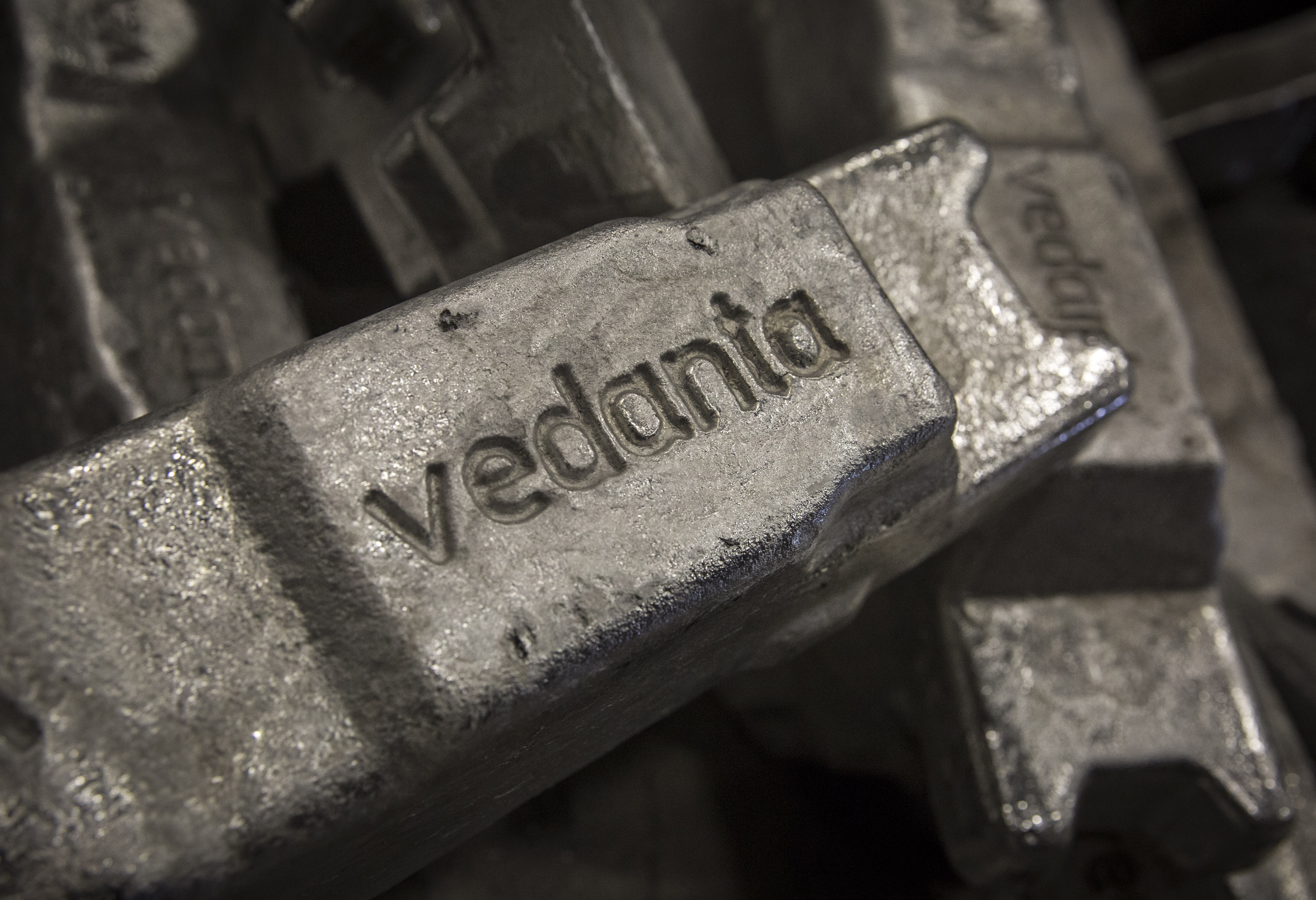
Upholding the legality of the 2011 arbitral award won by Vedanta Ltd. against the Indian government, the Supreme Court has clarified the time period within which foreign awards must be enforced.
Consequently, foreign award holders who haven't commenced enforcement proceedings within three years may now have to move fast in filing applications for enforcement, according to experts BloombergQuint spoke with.
The case emanates from a production sharing contract between the government of India and Vedanta Ltd., for exploration and development of the Ravva oil and gas fields in Andhra Pradesh. The agreement specified that unresolved disputes arising from the contract would be subjected to arbitration proceedings in Malaysia.
Disputes arose between the parties relating to certain costs which led to arbitration proceedings. The arbitration tribunal granted an award favoring Vedanta in January 2011. Vedanta then moved an application for enforcing the award at the Delhi High Court, which allowed the application and directed the government to make the payments.
The government challenged the high court's verdict on grounds that enforcement of the award was barred by limitation.
Foreign Awards: SC Settles Law
Enforcement of an arbitral award is subject to the Limitation Act, which provides a maximum time within which suits or proceedings can be instituted in Indian courts.
The Limitation Act prescribes a period of 12 years for execution of any decree or order of a civil court. The period for this commences from the time such order or decree becomes enforceable. Similarly, the law also contains a residual limit of three years for any other kind of applications which are not covered elsewhere. Vedanta had argued that it had 12 years to enforce the award, while the government said the company had only three years.
The differing interpretation has been taken by high courts as well.
While some high courts have equated foreign awards with decrees, thus prescribing a limitation of 12 years, others had limited the period to three years citing that foreign awards are not court decrees.
To settle this ambiguity, the apex court analysed the law and concluded that:
- A foreign award is not a decree or order of a civil court in India. As such, the limitation period of 12 years won't apply. But since this question of law wasn't settled, the court allowed Vedanta to enforce the 2011 award.
- Applications for enforcement of foreign awards will be “deemed decrees” and hence, the residuary limitation period of three years will apply for filing a petition to enforce them.
It's a welcome ruling as it clarifies that an enforcement application is not an execution application to enforce a court decree under Order XXI of the Code of Civil Procedure, Anand Desai, managing partner at DSK Legal, said.
The judgment is a welcome step towards promotion of arbitration by the Indian judiciary and making India an increasingly arbitration-friendly jurisdiction, Sanjeev Kumar Sharma, partner at L&L Partners, said.
Parties who haven't yet commenced enforcement proceedings for awards passed three years ago will now need to move fast and also seek condonation of delay. However, the earlier prevalent lack of clarity with respect to the period of limitation can be one of the sufficient grounds to seek condonation.Sanjeev Kumar Sharma, Partner, L&L Partners
The apex court set aside the government's challenge on public policy grounds as well. It held that court's cannot refuse enforcement in this case as the government failed to establish that the foreign award is contrary to the basic notions of justice or against India's public policy. The government also failed to establish violation of due process by the arbitrator, the Supreme Court said.

-
AI Bias In Investing Cannot Be Eliminated, But It Can Be Governed

Framing is a particularly important example as identical financial information presented in terms of gains rather than losses can lead an LLM to reach a different assessment.
-
Joining The Dots | Dark Skies, Steady Diya: Why Hope Holds This Diwali
With war, a weak rupee and foreign outflows weighing on sentiment, policymakers at the NDTV World Summit and market veterans at NDTV Profit Ignite: Diwali Edition offered the same advice: stay invested and filter out the noise.
-
The Curious Case of Equitas Small Finance Bank And A CEO Who Quit For Stock
PN Vasudevan believes persistent investor concerns over a perceived conflict of interest had become a governance overhang on Equitas Small Finance Bank's stock, even as the lender improved profitability and asset quality.
-
Talking Points This Week: AI Cash Burn, A Tiger Comeback And An India That Still Finds Its Own Path
India is not immune to higher oil or tighter global liquidity, yet its earnings base is broader, its domestic policy levers are still available.
-
Foreign Investors Own Half Of HDFC Bank and ICICI Bank. An LTCG Cut Could Matter Most Here
Foreign portfolio investors have US$115 billion parked in HDFC Bank, ICICI Bank. If the government cuts long-term capital gains tax, Jefferies says returning foreign money could land here first.
-
'Never Seen This Level Of Negativity': Sandeep Tandon Says The Next Rally May Be Closer Than You Think
Veteran investor Sandeep Tandon says foreign selling is easing, large-caps are due a comeback and mid-caps are crowded, while he turns positive on gold, power and pharma this Diwali.
-
Indians Stay With Family, Not In Hotels | The Reason Why
India still lacks enough clean, reliable and affordable hotels for budget-conscious travellers.
-
The Economic Imperative: Analysing The Material Driving Force Behind India-Canada Strategic Reset
This economic complementarity is further reinforced by deep institutional investment ties and talent mobility, which form the bedrock of the bilateral framework.
-
Medicine Pricing: Where Must Profit Stop?
India must confront excessive margins, hidden incentives and regulatory gaps that threaten the integrity of medicine.
-
Why Amazon And Flipkart Are Struggling To Beat Meesho In India's Smaller Cities
With 274 million users and lowest-cost logistics, Meesho is defending its value commerce crown against giants like Amazon and Flipkart.










