EU Approves Partial Russian Oil Ban, Sanctions On Sberbank
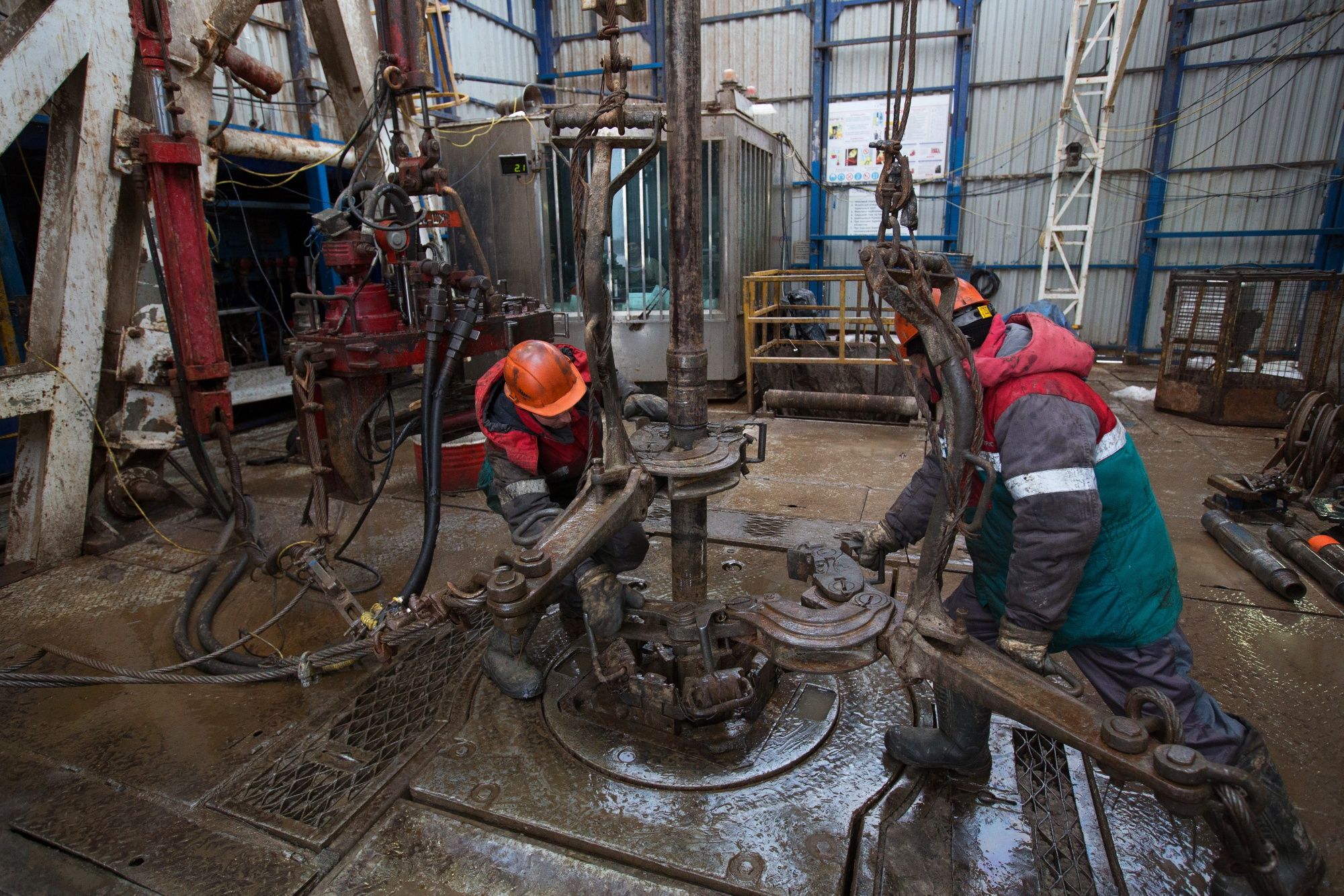
(Bloomberg) -- The European Union approved a sixth package of sanctions including a partial ban on Russian oil imports after Hungary dropped objections that had been holding it up for weeks.
EU ambassadors meeting on Thursday backed the measures, which would represent the EU's toughest yet and are aimed at curbing Russia's ability to finance the war in Ukraine, France, which holds the EU presidency, confirmed on Twitter.
The measures would forbid the purchase of crude oil from Russia delivered to member states by sea in six months and refined petroleum products in eight months. Pipeline crude would be temporarily spared as a concession to Hungary and other landlocked countries, which rely on Russian supplies through the Druzhba pipeline.
The sanctions package will also see Russia's biggest bank, Sberbank, cut off the international payments system SWIFT. The same restriction also targets Credit Bank of Moscow and the Russian Agricultural Bank. The measures will be adopted once they are published in the EU's official journal.
Hungarian Block
Sanctions in the EU require the unanimous consent of its 27 nations and Hungarian Prime Minister Viktor Orban had blocked the latest package of measures for weeks.
EU envoys agreed to drop Patriarch Kirill, who heads the Russian Orthodox Church and has been a vocal supporter of President Vladimir Putin and his war in Ukraine, from the EU's proposed list of sanctioned individuals, according to people familiar with the matter.
Orban first demanded his removal in early May but it wasn't discussed at a meeting when EU leaders met on Monday, the people said. His demand angered many EU ambassadors but they ended up accepting Hungary's demand to ensure adoption.
Hungary's intransigence may have destroyed any remaining goodwill with the other 26 members of the EU, one of the people said, adding that Budapest will be more isolated than ever.
The package includes a ban on insurance related to shipping oil to third countries, which will take effect six months after the formal adoption of the measures, and aims to restrict Moscow's options to divert its supplies elsewhere in the world.
During the meeting of EU leaders on Monday, the bloc granted assurances that Budapest could source alternative oil supplies should Hungary's pipeline deliveries be disrupted.
EU leaders also made clear earlier this week that this may be the last major package of sanctions for a while as many aren't ready to target Russia's revenue from natural gas sales. “This package is a big step forward, we should pause it right now,” Belgian Prime Minister Alexander De Croo told reporters earlier this week, calling a gas embargo “way more complicated.”
Other measures in the proposed EU sanctions package include:
- Banning the ability to provide consulting services to Russian companies and trade in a number of chemicals.
- Sanctioning Alina Kabaeva, a former Olympic gymnast who is “closely associated” with Putin, according to an EU document
- Sanctioning dozens of military personnel, including those deemed responsible for reported war crimes in Bucha, as well as companies providing equipment, supplies and services to the Russian armed forces.
(updates with official confirmation starting in the second paragraph.)
More stories like this are available on bloomberg.com
©2022 Bloomberg L.P.

-
Talking Points This Week: Leadership Shock At Nvidia, Earnings Strength, And The Fog Over Hormuz

The Anthropic IPO pricing and first trading day, Nvidia's upcoming earnings, and any fresh signals from Iran will set the tone for the following week.
-
Signature Play: The Classic Cocktail Is Dead. Or Is It?
Classic cocktails are disappearing from India's cocktail menus. But they're still being ordered, taught to bartenders and borrowed from. So, who's really having the last drink?
-
A New Samvat Wishlist: Inclusive Prosperity And Human Development
India has strengthened its economic foundations through infrastructure, digital access and enterprise. Its next growth chapter must deepen productivity, create better livelihoods and widen participation in prosperity.
-
Love, Sex Aur Dhokha: The Audacious Plot To Spy On Jensen Huang
A Taipei dinner, a Singapore chip buyer and a suspected Chinese asset: inside the alleged spy operation that got close to NVIDIA's Jensen Huang.
-
Ten Things I Learnt This Samvat
Patience can be a trap. Cheap stocks can stay cheap. Leverage can wipe you out. What did Samvat 2082 teach us? Niraj Shah writes on 10 lessons from the year gone by.
-
Talking Points This Week: Tech Nerves, FII Buying, And A Faraway Banking Shock
The global markets are not shining this Diwali. The exception in the large markets is, India.
-
Midterm Rally Lasted A Day. The Hard Reality Of A Divided US May Last Two Years | Opinion
Between a contested AI boom, a debt ceiling that arrives in 2027 and a president with every incentive to act alone, the next two years may prove more volatile than the first day's rally suggests.
-
Blue Wave Will Derail the AI Trade but Won't Dismantle the AI Era | Unhedged Position
The Democrats' sweep of the US Congress will see politics collide with economic forces both over the long and short term.
-
It's Time To Take The GST Council's Bet On Trust Global
Payment records can prove India's services exports, and clear, proportionate rules can bring foreign digital sellers into the tax net.
-
Opinion | India at 38: From Innovation Overperformer to Innovation Powerhouse
India now has 453 VC-backed deep science startups, 18 of them late-stage, after 117 percent growth since 2020. Laurus Labs, at USD 9.3 billion, is the most valuable deep science company in any middle-income economy outside China.









