Dengue Claims Rise 66% In 5 Years As South India Leads Spike In Cases: ManipalCigna Health Insurance
Health insurance claims for monsoon-related illnesses have seen a sharp surge across the country, rising at a compound annual growth rate (CAGR) of 34% over the past five years, according to new data from ManipalCigna Health Insurance (MCHI).
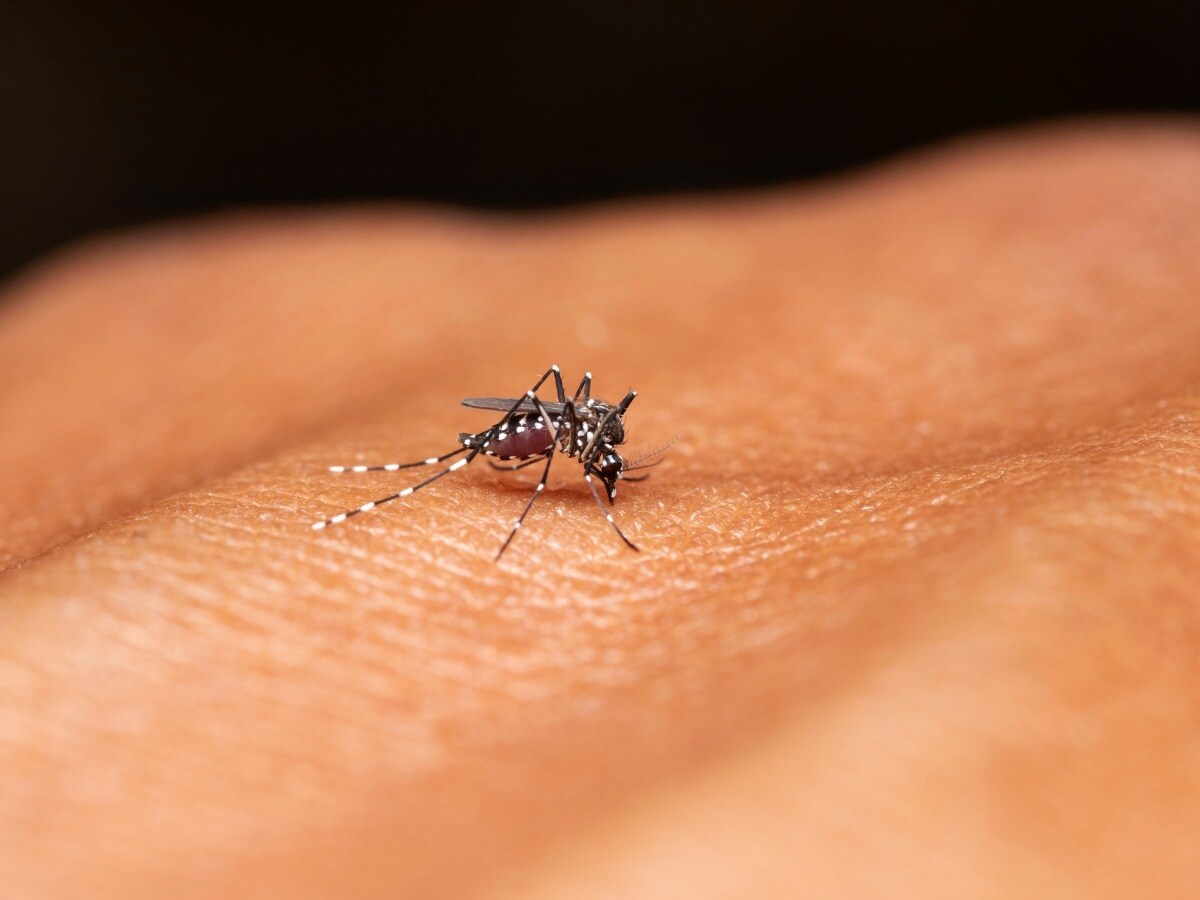
Dengue has emerged as the most common and costly illness during the season, accounting for the steepest rise in claims.
Among the array of diseases that surface during the rainy season, including malaria and viral fevers, dengue has shown the sharpest rise, with claims increasing at a staggering 66% CAGR between 2020 and 2024. This rapid growth not only highlights the rising number of infections, but also reflects the higher cost of treating dengue compared to other monsoon-linked illnesses, the study indicates.
The data also reveals clear regional variations in the prevalence of monsoon-related diseases, closely linked to rainfall intensity. South India has emerged as a monsoon illness hotspot, with claims rising at a CAGR of 36%, correlating with the region's heavier rainfall and flooding. In contrast, North India has seen an 8% decline in such claims, suggesting relatively fewer rainfall-related disease outbreaks.
The monsoon months from June to September also show a significant seasonal impact on healthcare systems. During this period, infectious disease claims spiked by 34%, compared to a 23% increase in non-monsoon months, highlighting the direct link between seasonal changes and health-related risks.
Demographic data paints a concerning picture, particularly for younger age groups. Children from newborn babies to 17 years account for 31% of monsoon illness claims, indicating their higher vulnerability to seasonal diseases. Moreover, male patients made up 57% of all such claims, suggesting either greater exposure or higher treatment-seeking behaviour among men.
The spike in monsoon-related health claims is an indicator for both public health authorities and insurance providers to step up prevention, early diagnosis and treatment mechanisms. The trends highlight the need for better monsoon preparedness, especially in high-risk regions and among vulnerable groups like children.

-
AI Bias In Investing Cannot Be Eliminated, But It Can Be Governed

Framing is a particularly important example as identical financial information presented in terms of gains rather than losses can lead an LLM to reach a different assessment.
-
Joining The Dots | Dark Skies, Steady Diya: Why Hope Holds This Diwali
With war, a weak rupee and foreign outflows weighing on sentiment, policymakers at the NDTV World Summit and market veterans at NDTV Profit Ignite: Diwali Edition offered the same advice: stay invested and filter out the noise.
-
The Curious Case of Equitas Small Finance Bank And A CEO Who Quit For Stock
PN Vasudevan believes persistent investor concerns over a perceived conflict of interest had become a governance overhang on Equitas Small Finance Bank's stock, even as the lender improved profitability and asset quality.
-
Talking Points This Week: AI Cash Burn, A Tiger Comeback And An India That Still Finds Its Own Path
India is not immune to higher oil or tighter global liquidity, yet its earnings base is broader, its domestic policy levers are still available.
-
Foreign Investors Own Half Of HDFC Bank and ICICI Bank. An LTCG Cut Could Matter Most Here
Foreign portfolio investors have US$115 billion parked in HDFC Bank, ICICI Bank. If the government cuts long-term capital gains tax, Jefferies says returning foreign money could land here first.
-
'Never Seen This Level Of Negativity': Sandeep Tandon Says The Next Rally May Be Closer Than You Think
Veteran investor Sandeep Tandon says foreign selling is easing, large-caps are due a comeback and mid-caps are crowded, while he turns positive on gold, power and pharma this Diwali.
-
Indians Stay With Family, Not In Hotels | The Reason Why
India still lacks enough clean, reliable and affordable hotels for budget-conscious travellers.
-
The Economic Imperative: Analysing The Material Driving Force Behind India-Canada Strategic Reset
This economic complementarity is further reinforced by deep institutional investment ties and talent mobility, which form the bedrock of the bilateral framework.
-
Medicine Pricing: Where Must Profit Stop?
India must confront excessive margins, hidden incentives and regulatory gaps that threaten the integrity of medicine.
-
Why Amazon And Flipkart Are Struggling To Beat Meesho In India's Smaller Cities
With 274 million users and lowest-cost logistics, Meesho is defending its value commerce crown against giants like Amazon and Flipkart.










