Constructing, Renting Immovable Property — Supreme Court To Decide On GST Implications
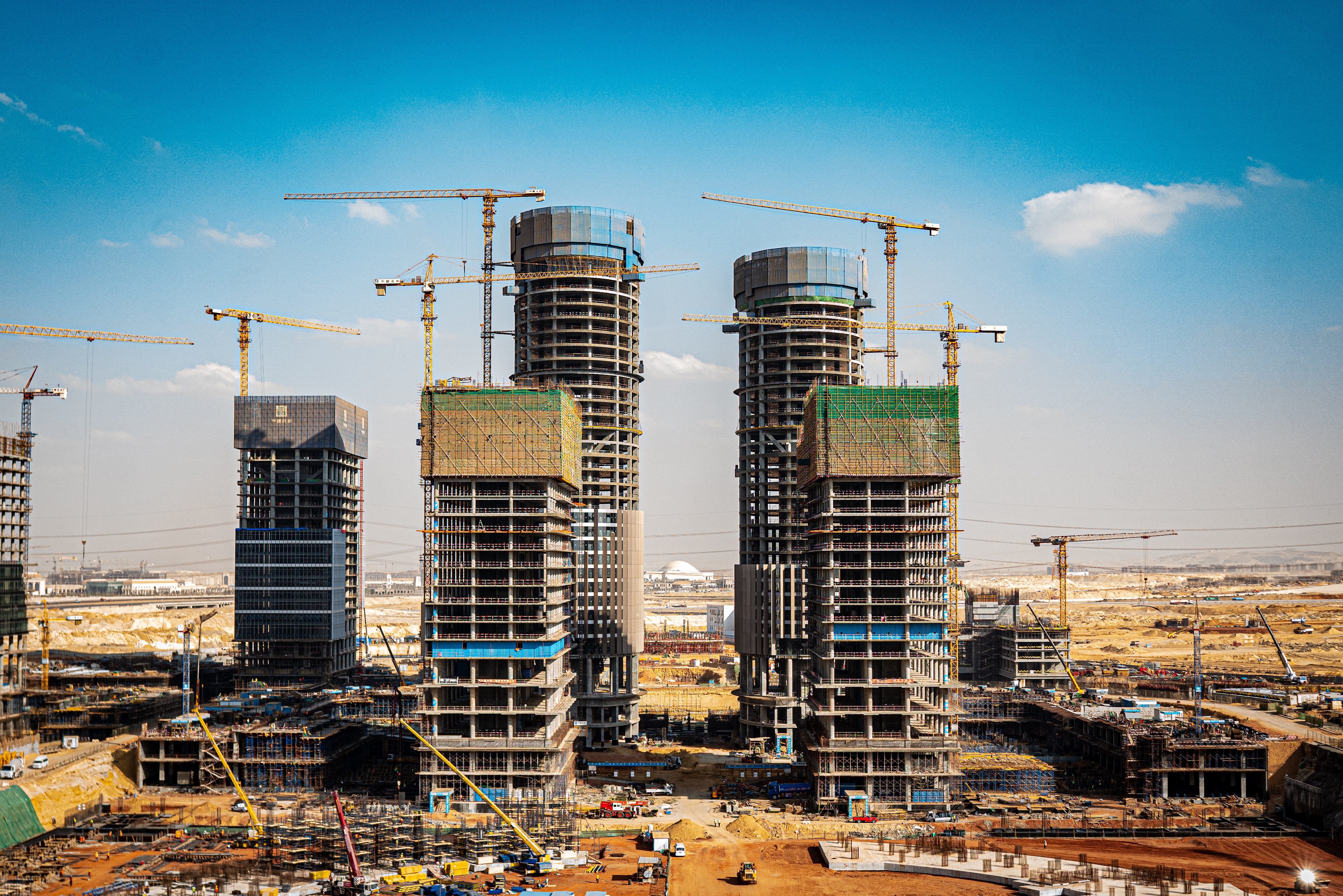
The Supreme Court of India has agreed to hear the dispute on whether, under the goods and services tax, input tax credits should be available to companies for construction and renting out of immovable property.
The matter has traveled from the Orissa High Court in the case of Safari Retreats Pvt., where the court upheld the company's argument. The GST department has now filed a special leave petition against the high court ruling, which is now listed before the apex court on Sept. 29.
"Given that the denial of input credit disturbs the tranquility of VAT system and is also opposed to the concept of fiscal neutrality, which lies at its very foundation, the issue does merit a real look even by the policy framers and the GST Council," said Tarun Jain, advocate at the Supreme Court.
This matter impacts all entities involved in the business of construction of immovable property and further renting it out, Abhishek Rastogi, partner at Khaitan & Co., said. Rastogi is representing the company before the apex court.
Safari Retreats is engaged in the construction of shopping malls for the purpose of renting it further for commercial use. It had paid taxes on the input goods and services utilised in the construction of immovable property, namely cement, sand, steel, aluminum, wires, consultancy services, legal services, architectural services, among others. It claimed credits on these input goods and services for utilising them against GST payable on rentals.
The GST department denied the credit claim, citing section 17(5)(d) of the Central Goods & Services Tax Act, 2017. This provision says that input credit will not be available for goods or services used for the construction of immovable property, other than plant and machinery, even when used in course or furtherance of business.
The Orissa High Court disagreed with the tax department's view and read down section 17(5)(d). The purpose of GST, the high court pointed out, is to prevent multi-taxation. Paying GST on the inputs consumed in the construction of the building and on the rentals generated by the same building without allowing availment of credits imposes the burden of double taxation.
It held that an input tax credit can be availed on goods and services used for the construction of immovable property and in the course of furtherance of business.
"...if the assesses is required to pay GST on the rental income arising out of the investment on which he has paid GST, it is required to have the input credit on the GST". — Orissa High Court
In the VKC Footsteps India Pvt. case last year, the Supreme Court had said that input tax credit is a legislative choice. It's the GST Council and not courts which determines areas where credit should be allowed, Jain said. Viewed with that lens, it might be difficult to sustain the Orissa High Court order, he said.
"But conceptually, the high court order makes sense—cascading effect of taxes must be avoided."
If the argument in the Supreme Court is around interpretation of the provision itself, it'll be difficult to sustain the high court ruling. However, if the argument distinguishes between the two types of supplies, and points out the inequality, there is hope.Tarun Jain, Advocate, Supreme Court
According to Jain there are two kinds of supplies — one, where the builder constructs the building and sells it off. In this case, the tax chain is broken. Second, where the building is leased for commercial purpose -- here the tax chain is intact, and not being able to avail input credit goes against the objective of GST. "This line of argument is very strong," he said.
Rastogi added that input tax credits have been statutorily put in place to obviate the cascading effect of multi-stage levies and taxes. That would be one of the key arguments of the company before the apex court, he said.

-
One Battle After Another: India's Corporate Dynasties Battle For Control

2026 could go down as Corporate India's year of succession wars, governance battles and family fault lines.
-
Rs 50-Lakh Gold In Bank Locker, Rs 3 Lakh Of Protection: The Gap Most Families Don't Know About
The RBI ties a bank's liability to the annual locker rent and families who want to insure their jewellery face a separate question about how to prove what was inside.
-
The More Food Turns Into Fuel, The Harder It Is To Read Agricultural Markets | The Reason Why
A policy designed to reduce dependence on imported fuel can create new pressures elsewhere in the food economy.
-
Your iPhone Costs 12 Grams Of Gold, A Car About 100. What Does Your Life Weigh?
Measured in rupees, almost everything looks more expensive than it did a generation ago. Measured in grams of gold, a lot of it has become cheaper.
-
Gold Is Rs 22,000 Cheaper Than A Month Ago. Should You Buy Amid The Wedding Season?
Gold's potential slide to $3,500 could save around Rs 4,700 per 10 grams, but a soft inflation print could just as easily push prices back up. One way to split the risk is to buy in parts, some now and the rest after the Fed's Dec. 9 decision.
-
AI Agents Are Gaining Power. Who Governs Them?
Artificial intelligence agents promise to transform productivity by moving machines from assisting decisions to executing them. But as organisations delegate greater authority to these AI-agents, they must first establish who controls that authority and who remains accountable when things go wrong.
-
Why Swapping Your Old Gold Can Trigger A Rs 5 Lakh Tax Bill, And How You Can Avoid It Legally
Swapping old gold for new is taxed as a sale and a fresh purchase. Getting your own gold remade can cut most of that bill, though it has its own costs.
-
The AI Trade is Done. The Real Opportunity for Investors Starts in 2027 | Unhedged Position
As pureplay AI stocks plunge and circular, capex-led financing unwinds, 2027 is set to be a year of reckoning for AI companies. Yet the bust clears the way for a better opportunity for investors in 2027 -- shifting the spotlight from AI builders to the companies using AI.
-
Leadership As Mission: Why The Age Of AI Demands More Human Leadership
Debjani Ghosh examines how AI is changing leadership, arguing that its success must be measured by its impact on people and the accountability of those guiding its use.
-
We May Need Another Tukaram Mundhe To Fight Air Pollution | The Reason Why
Developers may install basic measures such as sprinklers and green nets, resume work, and continue violating rules when this equipment stops working.









