CCI Rejects Price Fixing Allegations Against Ola, Uber
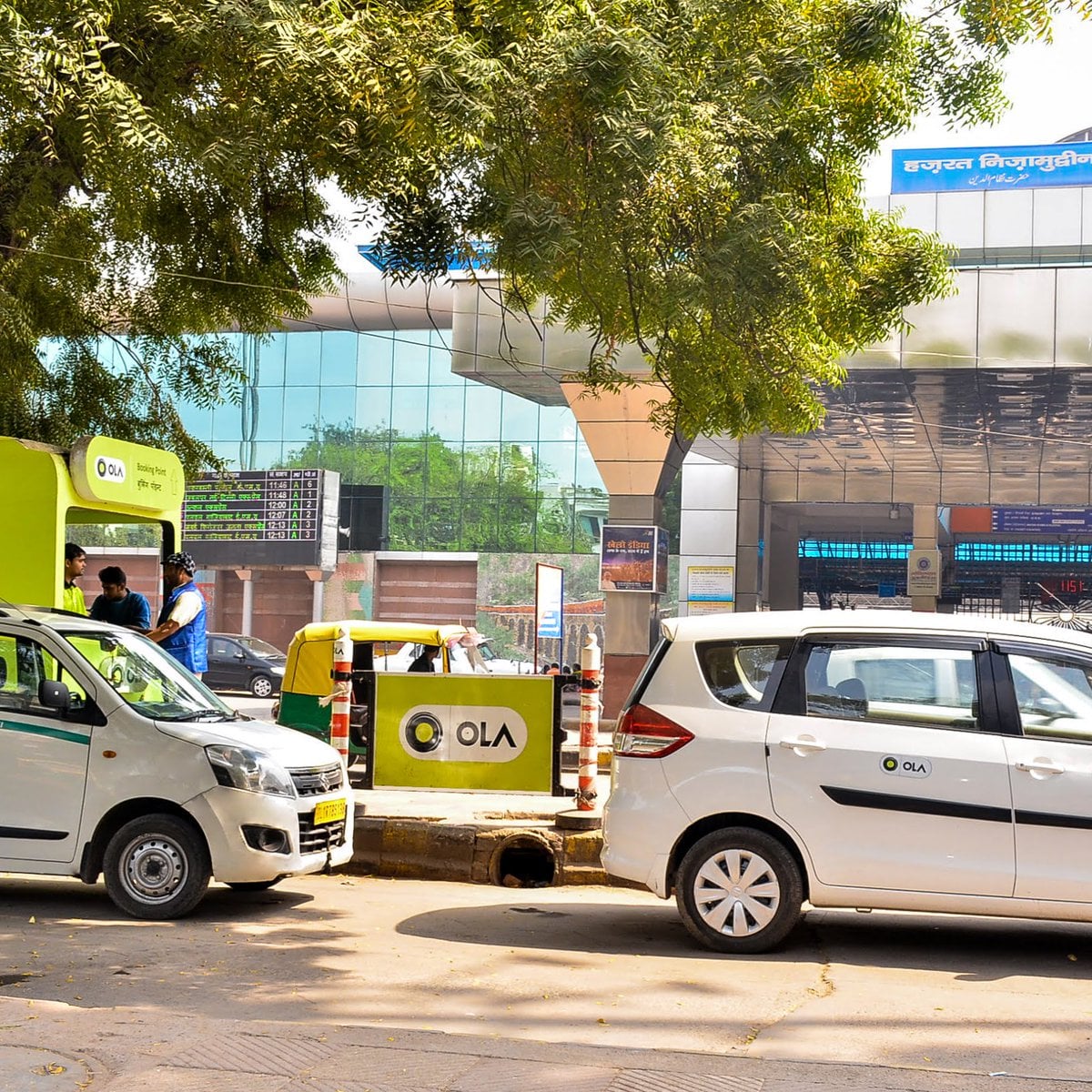
The Competition Commission of India on Tuesday rejected allegations of price fixing against app-based taxi service providers Ola and Uber.
The fair trade regulator said that the drivers acceding to “algorithmically determined prices” by the platforms does not amount to collusion between them. In a 13-page order, the CCI also dismissed complaints that Ola and Uber were imposing a resale price maintenance system on the drivers as well as an alleged price discrimination.
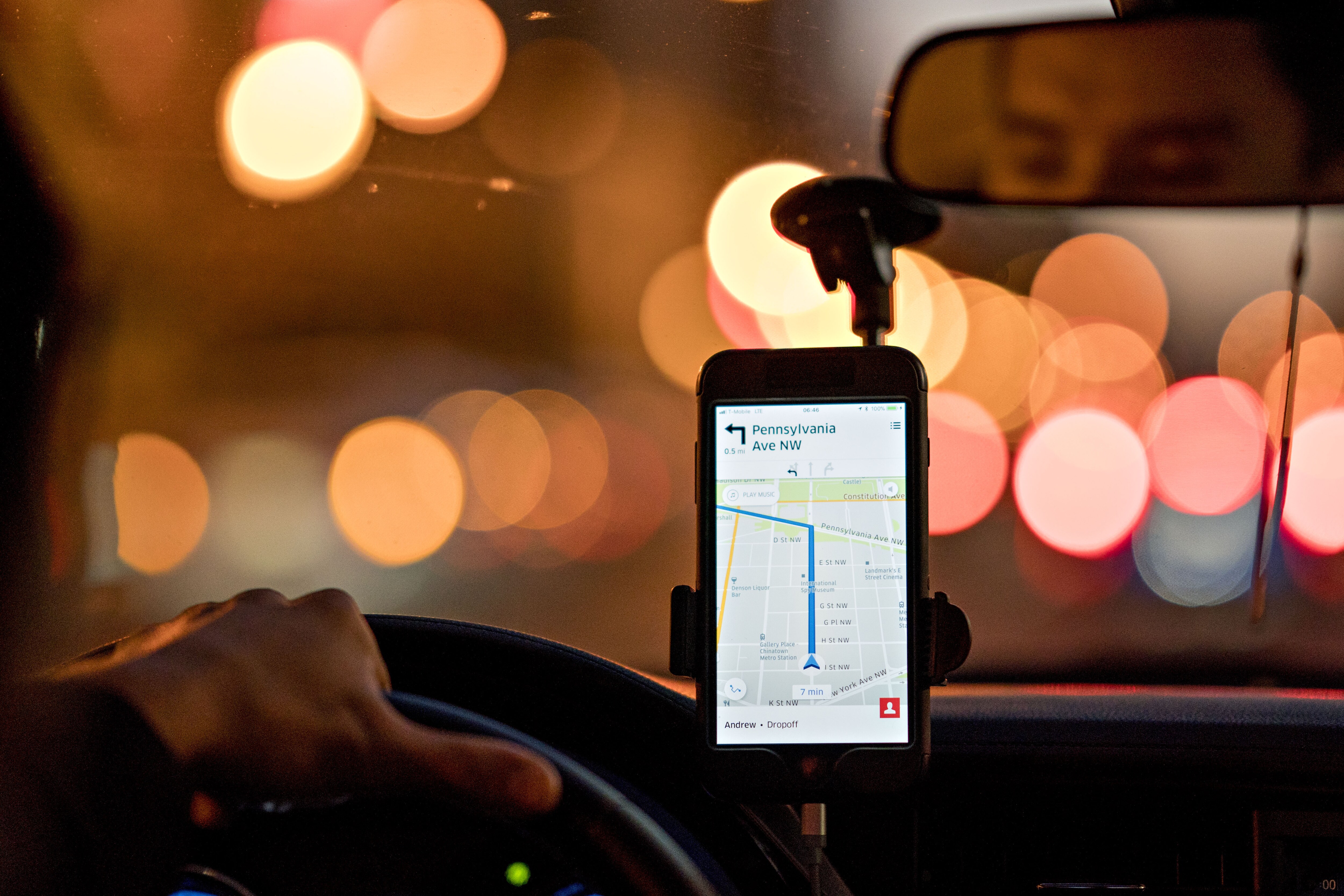
Estimation of fares by cab aggregators are done by algorithms on the basis of large data sets. Apart from personalised information, various other factors such as time of the day and traffic situation, are taken into account with respect to fares.
.. algorithmically determined pricing for each rider and each trip tends to be different owing to the interplay of large data sets. Such pricing does not appear to be similar to the “hub and spoke” arrangement as understood in the traditional competition parlance.Competition Commission Of India
Generally, a hub and spoke arrangement requires the spokes to use a third party platform for exchange of sensitive information, including information which can facilitate price fixing. For a cartel to operate as a hub and spoke, the CCI said, there needs to be a conspiracy to fix prices, which requires existence of collusion in the first place.
“In the present case, the drivers may have acceded to the algorithmically determined prices by the platform, this cannot be said to be amounting to collusion between the drivers,” it noted.
Further, the regulator said that in the case of ride-sourcing and ride-sharing services, a hub-and-spoke cartel would require an agreement between all drivers to set prices through the platform or an agreement for the platform to coordinate prices between them.
“There does not appear to be any such agreement between drivers inter-se to delegate this pricing power to the platform/cab aggregators,” the watchdog said.
The complaint was filed by an individual against ANI Technologies, the parent of Ola, Uber India Systems, the Netherlands-based Uber BV and the U.S.-based Uber Technologies, the holding company of Uber group.
Uber BV enters into contract with different taxi owners attached to the Uber network and is responsible for making payments of rider services as well as incentives to drivers, according to CCI.
Noting that fares offered by Ola and Uber are dynamic in nature, the CCI said there does not seem to be any fixed floor price maintained by the taxi aggregators for drivers. Under the Competition Act, resale price maintenance refers to setting of a floor price on resale.
About alleged price fixing, the CCI said existence of an agreement, understanding or arrangement that demonstrates meeting of minds, is a sine qua non for establishing a contravention under Section 3 of the Act.
In the present case neither there appears to be any such agreement or meeting of minds between the cab aggregators and their respective drivers nor between the drivers inter-se, the order said.

-
The Economic Imperative: Analysing The Material Driving Force Behind India-Canada Strategic Reset

This economic complementarity is further reinforced by deep institutional investment ties and talent mobility, which form the bedrock of the bilateral framework.
-
Medicine Pricing: Where Must Profit Stop?
India must confront excessive margins, hidden incentives and regulatory gaps that threaten the integrity of medicine.
-
Why Amazon And Flipkart Are Struggling To Beat Meesho In India's Smaller Cities
With 274 million users and lowest-cost logistics, Meesho is defending its value commerce crown against giants like Amazon and Flipkart.
-
High US Salaries, No Green Card Certainty: The Financial Calculation Facing Indian H-1B Families
The suspension of PERM processing at eight technology employers does not cancel existing H-1B visas. What it does is force a question many Indian families have been avoiding: is the US salary worth tying your career and family plans to one employer?
-
Swiggy vs Eternal: Food Delivery's Two Rivals Are No Longer In The Same Race
Eternal is building a private AI assistant, dark.ai. Swiggy is still working out how to make Instamart pay, with an operating loss of Rs 895 crore in the July-September quarter while Blinkit stayed profitable.
-
Where You Live Shapes How You Get To Work | The Reason Why
Two-wheelers are the most popular way to get to work in India, accounting for nearly 43% of workplace commutes.
-
Unhedged Position: Can India See An Indonesia-Style Time Correction?
The Nifty is trading below levels it first clocked in 2024. Is there, then, as I have suggested in the headline, potential that the current time correction drags on painfully for the next three-five, even ten years?
-
Navigating Friction And Energy Realities: An Analysis Of Marco Rubio's October Visit To India
Occurring at a critical juncture marked by stalled trade negotiations and escalating geopolitical pressures over global energy supplies, the visit offers a profound window into modern US-India relations.
-
India Exports Capital. Why Not Export Trusteeship?
The big question, then, is whether India can build an institution that global borrowers, investors, banks, and lawyers can trust, even without an Indian connection.
-
France's Economy & Politics Are In Crisis | The Reason Why
Let's look at how the French economy and politics evolved under Nicolas Sarkozy, Franois Hollande and Emmanuel Macron.










