Bihar Elections: Is Nitish's Rs 10,000 Transfer Scheme For Women An Economic Gamechanger? Experts Weigh In
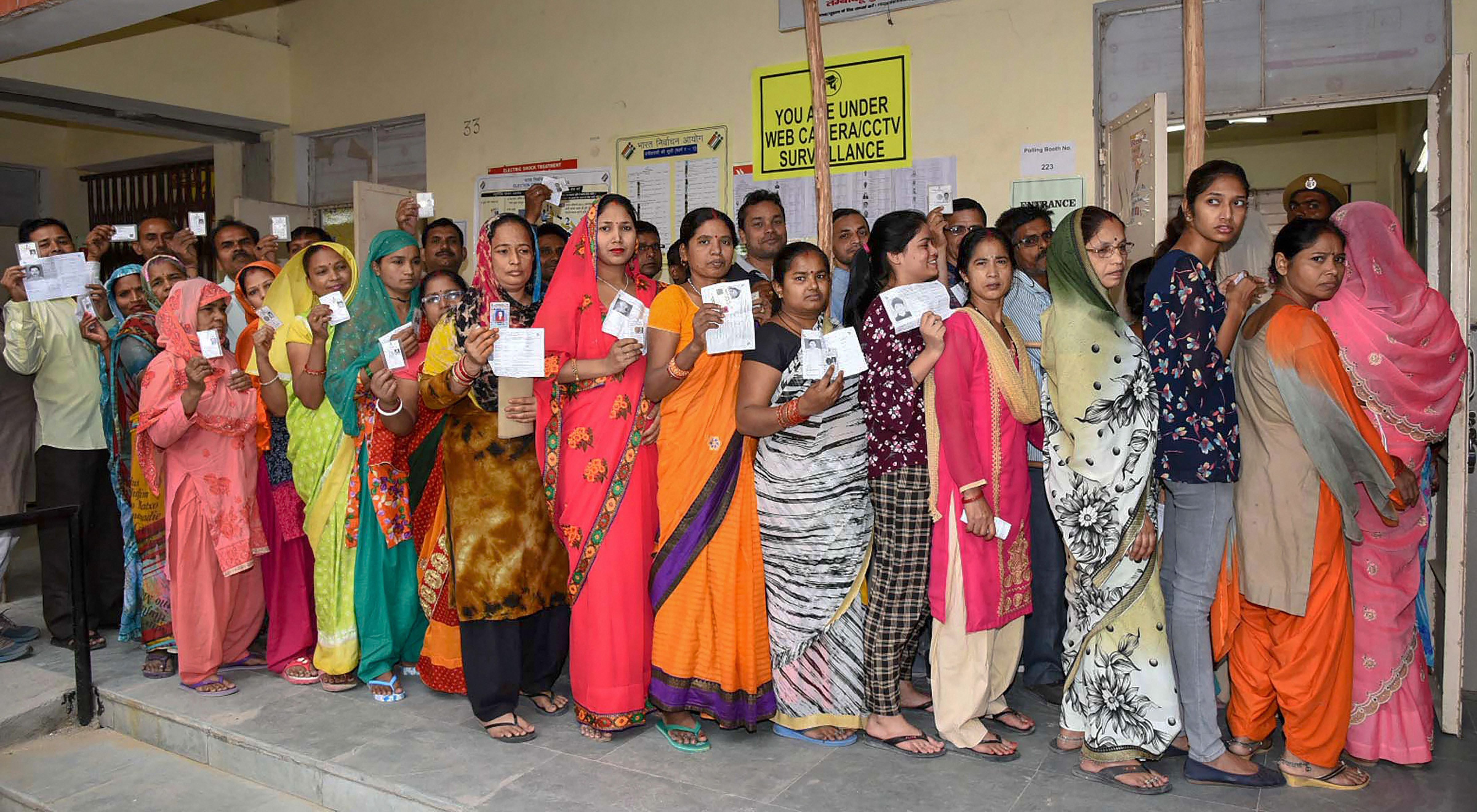
Bihar Chief Minister Nitish Kumar's 'Mukhyamantri Mahila Rozgar Yojana', which has led to the transfer of Rs 10,000 to the accounts of over one crore women in the state, could be an economic and political gamechanger, according to a section of experts.
In Purnea, seen as Bihar's Makhana hub, NDTV found the scheme resonating among the state's women voters. Several among them have bought sewing machines, goats and other items that can boost their income.
This scheme, which is aimed at boosting micro-entrepreneurship, is part of a series of steps that the Nitish Kumar-led government has taken over the last two decades to benefit the state's women population, said Amitabh Tewari, founder of VoteVibe, during a panel discussion with NDTV's Editor-In-Chief Rahul Kanwal.
This includes targeted scholarship schemes, reservation in local bodies and the increase in women's share in Bihar police to 28% — much higher than the national average of about 15%, Tewari explained.
Dr Neeraj Kaushal, associate professor of social work at Columbia University, was also of the view that microfinance improves the rate of entrepreneurship. Adding to that, Tewari noted that the Rs 10,000 direct benefit transfer is not a one-off aid. As per the scheme, the government will help those who effectively use the amount to avail loans worth Rs 2 lakh worth from banks, he pointed out.
The VoteVibe founder further noted that around 58% of women beneficiaries, whom his organisation surveyed, said they would use the cash transfer by the government for some kind of small business.
Tewari also believes that the scheme will allow the Nitish Kumar-led National Democratic Alliance (NDA) in Bihar to reap electoral dividend. Around 5.58% women voters surveyed by VoteVibe decided to shift their support from the Opposition to the NDA due to the Rs 10,000 aid transfer.
In a state where only 12,000 votes separated the NDA and Mahagathbandhan in 2020, the 5.58% margin among women voters can be strong enough to swing the elections, he added.
Meanwhile, author and economist Surjit Bhalla disagreed on the potential economic and political benefits of the scheme. The citizens and the government need to come to "some kind of resolution on this whole business of freebies".
The freebies have "gone too far", Bhalla said, referring to similar cash sops rolled out in other states in recent years. "It's not the most efficient way to bring welfare; and not even to increase your vote share," he said.
Notably, the first phase of voting concluded in Bihar on Thursday. The overall voter turnout came in at 64.46%, which is the highest-ever in the state's electoral history.
The second round of polling is scheduled on Tuesday, Nov. 11, and the counting of votes will be held on Friday, Nov. 14.
The contest is seen to be primarily between the ruling NDA, led by the Bharatiya Janata Party (BJP) and the Janata Dal (United), and the Opposition Mahagathbandhan bloc, primarily headed by the Rashtriya Janata Dal (RJD)-Congress combine. However, poll strategist-turned-politician Prashant Kishor's Jan Suraaj is also seen as a key contender in the fray.

-
The Economic Imperative: Analysing The Material Driving Force Behind India-Canada Strategic Reset

This economic complementarity is further reinforced by deep institutional investment ties and talent mobility, which form the bedrock of the bilateral framework.
-
Medicine Pricing: Where Must Profit Stop?
India must confront excessive margins, hidden incentives and regulatory gaps that threaten the integrity of medicine.
-
Why Amazon And Flipkart Are Struggling To Beat Meesho In India's Smaller Cities
With 274 million users and lowest-cost logistics, Meesho is defending its value commerce crown against giants like Amazon and Flipkart.
-
High US Salaries, No Green Card Certainty: The Financial Calculation Facing Indian H-1B Families
The suspension of PERM processing at eight technology employers does not cancel existing H-1B visas. What it does is force a question many Indian families have been avoiding: is the US salary worth tying your career and family plans to one employer?
-
Swiggy vs Eternal: Food Delivery's Two Rivals Are No Longer In The Same Race
Eternal is building a private AI assistant, dark.ai. Swiggy is still working out how to make Instamart pay, with an operating loss of Rs 895 crore in the July-September quarter while Blinkit stayed profitable.
-
Where You Live Shapes How You Get To Work | The Reason Why
Two-wheelers are the most popular way to get to work in India, accounting for nearly 43% of workplace commutes.
-
Unhedged Position: Can India See An Indonesia-Style Time Correction?
The Nifty is trading below levels it first clocked in 2024. Is there, then, as I have suggested in the headline, potential that the current time correction drags on painfully for the next three-five, even ten years?
-
Navigating Friction And Energy Realities: An Analysis Of Marco Rubio's October Visit To India
Occurring at a critical juncture marked by stalled trade negotiations and escalating geopolitical pressures over global energy supplies, the visit offers a profound window into modern US-India relations.
-
India Exports Capital. Why Not Export Trusteeship?
The big question, then, is whether India can build an institution that global borrowers, investors, banks, and lawyers can trust, even without an Indian connection.
-
France's Economy & Politics Are In Crisis | The Reason Why
Let's look at how the French economy and politics evolved under Nicolas Sarkozy, Franois Hollande and Emmanuel Macron.










