Bhushan Power Insolvency: Centre To Take Final Call On ED's Opposition To JSW Steel's Plan
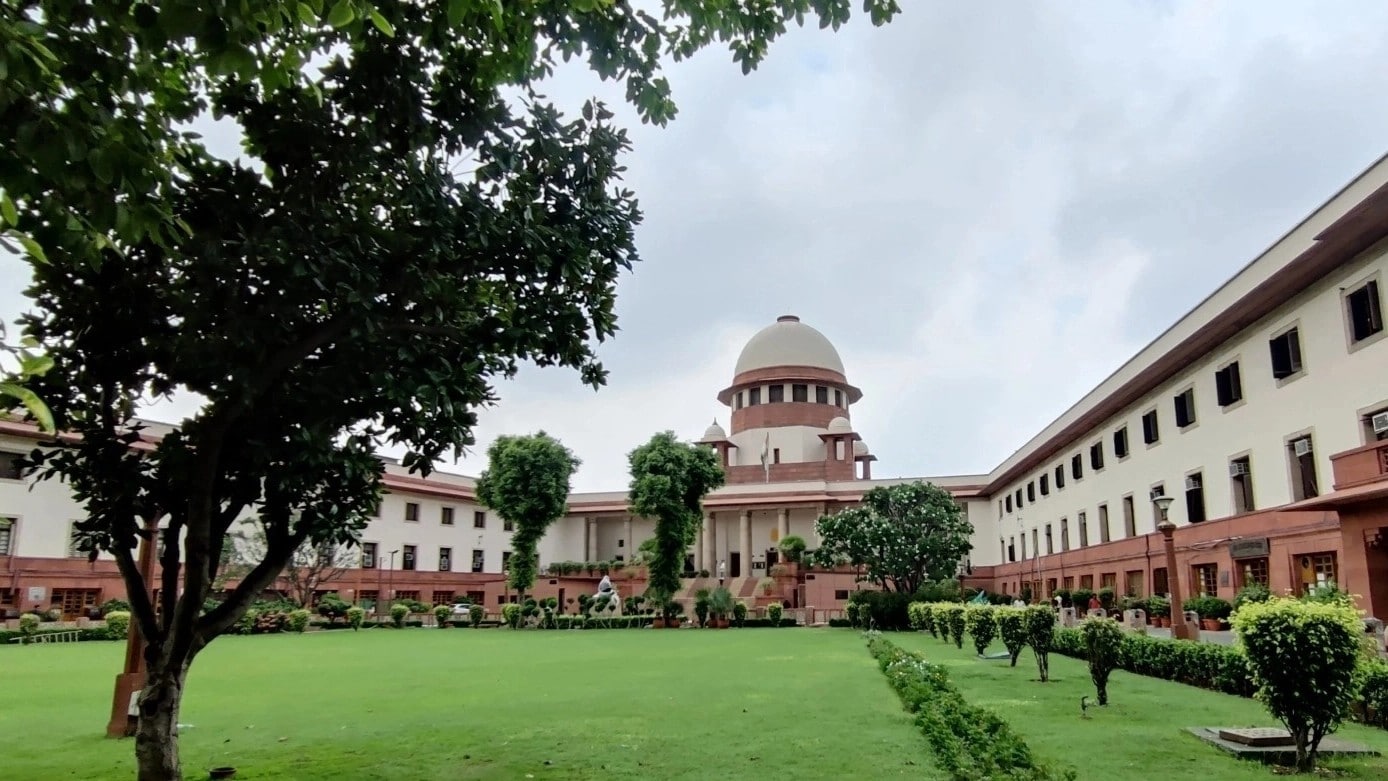
Nearly four years after JSW Steel Ltd.'s Rs 20,000 crore bid for Bhushan Power & Steel attained finality, the centre on Tuesday informed the top court that a meeting will be held so that a final call can be taken on the Enforcement Directorate's opposition to the steel manufacturer's resolution plan.
Appearing for JSW Steel, senior advocate Neeraj Kishan Kaul told the court that all government bodies except the ED are in support of JSW's resolution plan going forward on a clean slate.
The Ministry of Corporate Affairs, the Serious Fraud Investigation Office, the Committee of Creditors, and even the resolution professional is in the company's favour, Kaul argued.
The adjudicating authorities had also ruled in their favour, he said. He questioned why the company should face the wrath of two conflicting stances from the same government.
It is ED's stand that JSW Steel is a related party to BPSL, and therefore the benefit accruing under Section 32A of the Insolvency and Bankruptcy Court should not be available to JSW Steel.
Section 32A of the IBC envisages that liability of a corporate debtor for an offence committed prior to the commencement of the corporate insolvency resolution process shall cease from the date the resolution plan has been approved by the NCLT.
However, a condition is attached to this provision which says that this benefit will not be available if it is found that the the two parties involved were related to each other.
Appearing for the centre, Solicitor General Tushar Mehta said that a meeting will be held so that a final call can be taken on this issue. "The meeting will be presided by someone whose word will be final in this case", Mehta said.
The case has been adjourned following centre's reassurance and will be taken up again after three weeks.
JSW Steel's resolution plan for Bhushan Power & Steel was approved by the National Company Law Tribunal in September 2019.
But a month later, the Enforcement Directorate attached Bhushan Power's assets worth Rs 4,000 crore. That jeopardised the insolvency resolution until December 2019, when the central government amended the Insolvency and Bankruptcy Code to provide that criminal proceedings against former promoters will not affect a resolution applicant when acquiring a stressed firm.
The National Company Law Appellate Tribunal in February 2020 vacated the attachment of Bhushan Power's assets and approved JSW Steel's bid for the company. But the Enforcement Directorate moved the top court to argue that the IBC amendment should not apply to this case.
While the matter is still pending, JSW Steel has been relying on an apex court verdict in a separate case (Manish Kumar v/s Union of India) where it upheld the constitutional validity of the Section 32A of the IBC, saying new owners can't be held liable for actions of the previous management.
Bhushan Power was part of the first list of 12 companies that the Reserve Bank of India identified for immediate referral for bankruptcy proceedings in 2017.
Notably, JSW Steel had implemented the resolution plan back in March 2021 which included a repayment of Rs 19,350 crore to the financial creditors of Bhushan Power.

-
The More Food Turns Into Fuel, The Harder It Is To Read Agricultural Markets | The Reason Why

A policy designed to reduce dependence on imported fuel can create new pressures elsewhere in the food economy.
-
Your iPhone Costs 12 Grams Of Gold, A Car About 100. What Does Your Life Weigh?
Measured in rupees, almost everything looks more expensive than it did a generation ago. Measured in grams of gold, a lot of it has become cheaper.
-
Gold Is Rs 22,000 Cheaper Than A Month Ago. Should You Buy Amid The Wedding Season?
Gold's potential slide to $3,500 could save around Rs 4,700 per 10 grams, but a soft inflation print could just as easily push prices back up. One way to split the risk is to buy in parts, some now and the rest after the Fed's Dec. 9 decision.
-
AI Agents Are Gaining Power. Who Governs Them?
Artificial intelligence agents promise to transform productivity by moving machines from assisting decisions to executing them. But as organisations delegate greater authority to these AI-agents, they must first establish who controls that authority and who remains accountable when things go wrong.
-
Why Swapping Your Old Gold Can Trigger A Rs 5 Lakh Tax Bill, And How You Can Avoid It Legally
Swapping old gold for new is taxed as a sale and a fresh purchase. Getting your own gold remade can cut most of that bill, though it has its own costs.
-
The AI Trade is Done. The Real Opportunity for Investors Starts in 2027 | Unhedged Position
As pureplay AI stocks plunge and circular, capex-led financing unwinds, 2027 is set to be a year of reckoning for AI companies. Yet the bust clears the way for a better opportunity for investors in 2027 -- shifting the spotlight from AI builders to the companies using AI.
-
Leadership As Mission: Why The Age Of AI Demands More Human Leadership
Debjani Ghosh examines how AI is changing leadership, arguing that its success must be measured by its impact on people and the accountability of those guiding its use.
-
We May Need Another Tukaram Mundhe To Fight Air Pollution | The Reason Why
Developers may install basic measures such as sprinklers and green nets, resume work, and continue violating rules when this equipment stops working.
-
Extracting Value From Battery Scrap Could Be Challenging For India | The Reason Why
A discarded lithium-ion battery still contains valuable materials such as lithium, nickel and cobalt. These can be recovered and reused. When such batteries are crushed and shredded, they produce a dark powder called black mass.
-
One El Nino, India Can Handle. Two Could Break The Granary
India's grain stocks can absorb one bad year, but a second El Nino could drain the buffer in two to three years, economists say.









