This Bengaluru-Based NGO Has A Plan To Reduce Corruption In India
A Google search would reveal how grave the corruption problem is in India. But, over the last few years, an anti-corruption movement has been gaining momentum across the country.
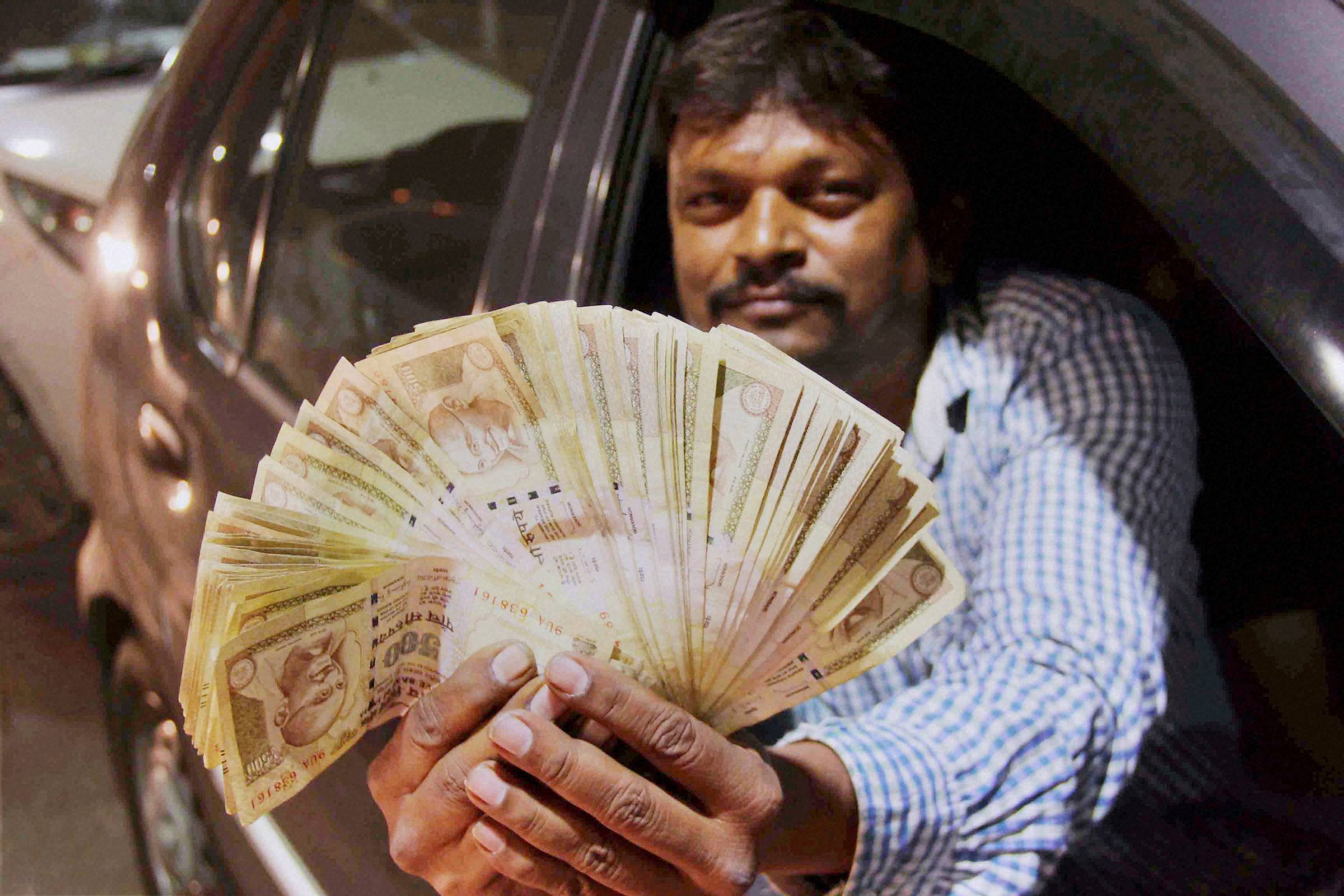
The Indian government too has launched a number of initiatives to tackle the menace – be it the law for undisclosed foreign income and assets, income disclosure schemes, or even the ambitious demonetisation drive carried out in November.
Much before the note ban, Janaagraha, an NGO in Bengaluru, launched an initiative in 2010 with the same objective – to tackle corruption.
Its online platform, “I Paid A Bribe”, allows citizens to report the nature, number, pattern, types, location, frequency and values of actual corrupt acts, anonymously or by revealing their identity.
And it's not just a platform for complaints. A citizen can also commend an honest official by posting a report on the platform.
After a citizen posts a report, the platform's algorithm analyses the report and sends it to a panel of experts. I Paid a Bribe also communicates the incident to government officials and the media.
Not only does the site focus on crowdsourced reports of corruption and bribery from India, but it also looks at cases from countries like Pakistan, Syria and Sri Lanka. The platform will soon launch in Afghanistan, the Philippines and Nepal.
The founders wanted it to focus on something they call “Retail Corruption” – the kind of corruption that the common man faces every day. This would include paying a bribe when getting a driver's licence or a birth certificate or availing any service which one is entitled to from the government.
The site sorts the data by states, cities and government departments, so a user can access corruption trends across the country.
According to Dheeman Ghosh of Janaagraha, the site saw a lot of activity post November 8, the day Prime Minister Narendra Modi invalidated old Rs 500 and Rs 1,000 bank notes.
“Post demonetisation, for the police department we have seen a much lesser number of bribes reported, even in amounts. That's because in terms of traffic fines, the ambit is less and people are actually ready to go forward and fight,” he says. At the same time, since there were a lot of new Rs 2,000 notes in the system, people have paid higher amounts of bribes in the new notes at public service departments, he adds.

-
Signature Play: The Classic Cocktail Is Dead. Or Is It?

Classic cocktails are disappearing from India's cocktail menus. But they're still being ordered, taught to bartenders and borrowed from. So, who's really having the last drink?
-
A New Samvat Wishlist: Inclusive Prosperity And Human Development
India has strengthened its economic foundations through infrastructure, digital access and enterprise. Its next growth chapter must deepen productivity, create better livelihoods and widen participation in prosperity.
-
Love, Sex Aur Dhokha: The Audacious Plot To Spy On Jensen Huang
A Taipei dinner, a Singapore chip buyer and a suspected Chinese asset: inside the alleged spy operation that got close to NVIDIA's Jensen Huang.
-
Ten Things I Learnt This Samvat
Patience can be a trap. Cheap stocks can stay cheap. Leverage can wipe you out. What did Samvat 2082 teach us? Niraj Shah writes on 10 lessons from the year gone by.
-
Talking Points This Week: Tech Nerves, FII Buying, And A Faraway Banking Shock
The global markets are not shining this Diwali. The exception in the large markets is, India.
-
Midterm Rally Lasted A Day. The Hard Reality Of A Divided US May Last Two Years | Opinion
Between a contested AI boom, a debt ceiling that arrives in 2027 and a president with every incentive to act alone, the next two years may prove more volatile than the first day's rally suggests.
-
Blue Wave Will Derail the AI Trade but Won't Dismantle the AI Era | Unhedged Position
The Democrats' sweep of the US Congress will see politics collide with economic forces both over the long and short term.
-
It's Time To Take The GST Council's Bet On Trust Global
Payment records can prove India's services exports, and clear, proportionate rules can bring foreign digital sellers into the tax net.
-
Opinion | India at 38: From Innovation Overperformer to Innovation Powerhouse
India now has 453 VC-backed deep science startups, 18 of them late-stage, after 117 percent growth since 2020. Laurus Labs, at USD 9.3 billion, is the most valuable deep science company in any middle-income economy outside China.









