Bangladesh And Bhutan Pull Out Of SAARC Summit; Afghanistan May Follow Suit
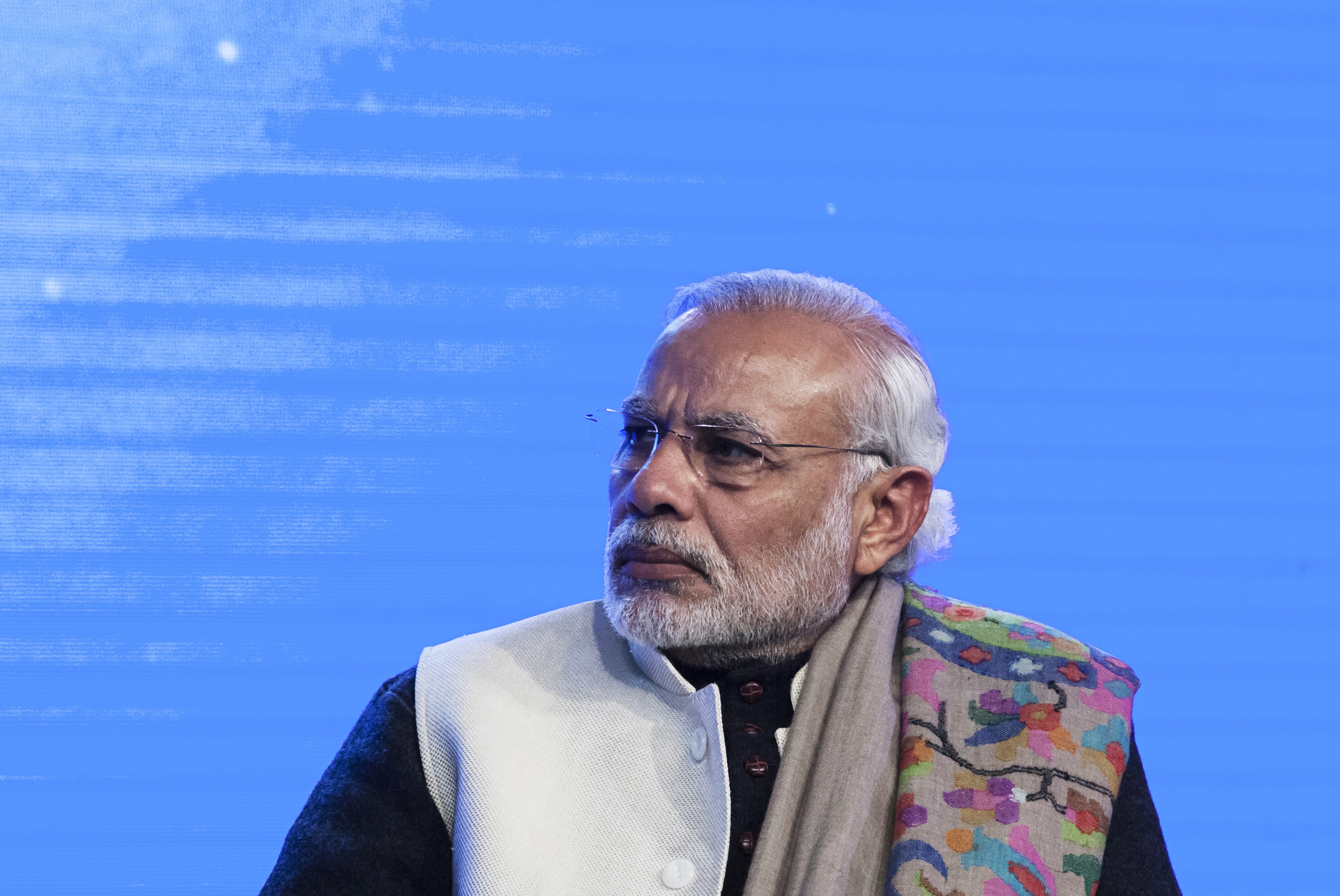
Apart from India, Bangladesh and Bhutan have also pulled out of the SAARC Summit in Islamabad in November, saying the environment is not right for the successful holding of the meet. The decision was conveyed by Bangladesh and Bhutan yesterday to the SAARC Chair Nepal, sources said.
“The growing interference in the internal affairs of Bangladesh by one country has created an environment which is not conducive to the successful hosting of the 19th SAARC Summit in Islamabad in November 2016,” the communication by Bangladesh said.
“Bangladesh, as the initiator of the SAARC process, remains steadfast in its commitment to regional cooperation, connectivity and contacts but believes that these can only go forward in a more congenial atmosphere. In view of the above, Bangladesh is unable to participate in the proposed Summit in Islamabad,” it said.
Bhutan said while it is committed to the SAARC process and strengthening of regional cooperation, it is concerned over the “recent escalation of terrorism in the region, which has seriously compromised the environment for the successful holding of the 19th SAARC Summit in Islamabad in November 2016.”
“Further, the Royal Government of Bhutan shares the concerns of some of the member countries of SAARC on the deterioration of regional peace and security due to terrorism and joins them in conveying our inability to participate in the SAARC Summit, under the current circumstances.”
The decision by three countries of the eight-member grouping not to attend the summit would lead to its collapse.Prime Minister Narendra Modi last night also decided not to attend the SAARC Summit in Islamabad in November.The announcement by India came on a day Foreign Secretary S Jaishankar issued a second demarche to Pakistan High Commissioner Abdul Basit over September 18 Uri attack and confronted him with proof of “cross-border origins” of the terror strike in which 18 jawans were killed.
The attack has triggered a strong response from India which has reviewed the 56-year-old Indus Water Treaty (IWT), and decide to reconsider the Most Favoured Nation status granted by it, unilaterally, to Pakistan. Afghanistan has also conveyed to the SAARC Chair that President Mohammad Ashraf Ghani would not be able to attend the Summit, sources said.
“Due to increased level of violence and fighting as a result of imposed terrorism on Afghanistan”, President Ghani “with his responsibilities as the Commander in Chief will be fully engaged, and will not be able to attend the Summit”, a communication by the country said.

-
The Curious Case of Equitas Small Finance Bank And A CEO Who Quit For Stock

PN Vasudevan believes persistent investor concerns over a perceived conflict of interest had become a governance overhang on Equitas Small Finance Bank's stock, even as the lender improved profitability and asset quality.
-
Talking Points This Week: AI Cash Burn, A Tiger Comeback And An India That Still Finds Its Own Path
India is not immune to higher oil or tighter global liquidity, yet its earnings base is broader, its domestic policy levers are still available.
-
Foreign Investors Own Half Of HDFC Bank and ICICI Bank. An LTCG Cut Could Matter Most Here
Foreign portfolio investors have US$115 billion parked in HDFC Bank, ICICI Bank. If the government cuts long-term capital gains tax, Jefferies says returning foreign money could land here first.
-
'Never Seen This Level Of Negativity': Sandeep Tandon Says The Next Rally May Be Closer Than You Think
Veteran investor Sandeep Tandon says foreign selling is easing, large-caps are due a comeback and mid-caps are crowded, while he turns positive on gold, power and pharma this Diwali.
-
Indians Stay With Family, Not In Hotels | The Reason Why
India still lacks enough clean, reliable and affordable hotels for budget-conscious travellers.
-
The Economic Imperative: Analysing The Material Driving Force Behind India-Canada Strategic Reset
This economic complementarity is further reinforced by deep institutional investment ties and talent mobility, which form the bedrock of the bilateral framework.
-
Medicine Pricing: Where Must Profit Stop?
India must confront excessive margins, hidden incentives and regulatory gaps that threaten the integrity of medicine.
-
Why Amazon And Flipkart Are Struggling To Beat Meesho In India's Smaller Cities
With 274 million users and lowest-cost logistics, Meesho is defending its value commerce crown against giants like Amazon and Flipkart.
-
High US Salaries, No Green Card Certainty: The Financial Calculation Facing Indian H-1B Families
The suspension of PERM processing at eight technology employers does not cancel existing H-1B visas. What it does is force a question many Indian families have been avoiding: is the US salary worth tying your career and family plans to one employer?
-
Swiggy vs Eternal: Food Delivery's Two Rivals Are No Longer In The Same Race
Eternal is building a private AI assistant, dark.ai. Swiggy is still working out how to make Instamart pay, with an operating loss of Rs 895 crore in the July-September quarter while Blinkit stayed profitable.










