Army Increases Strength At India-China-Myanmar Tri-Junction
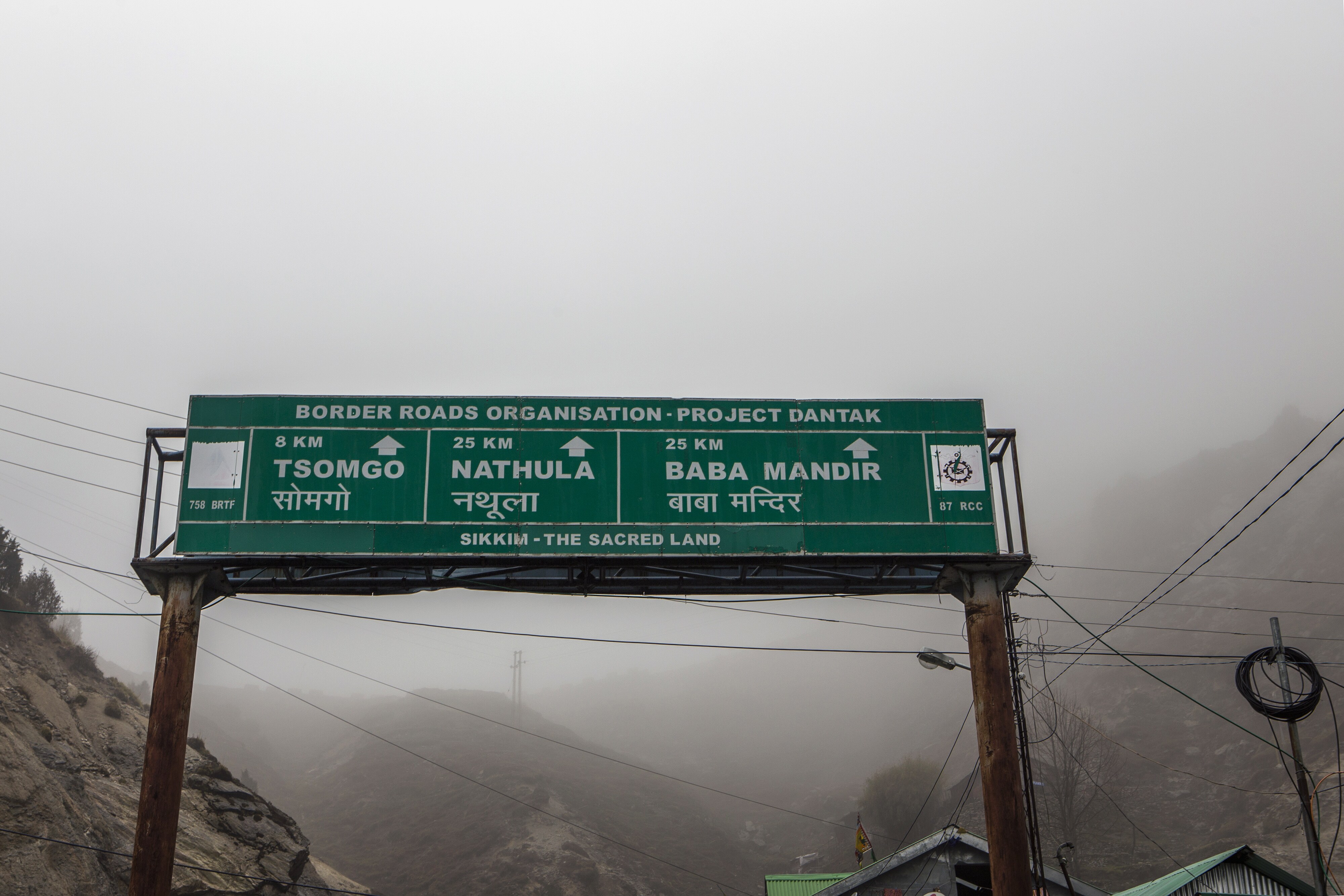
Indian troops deployed along the disputed Sino-India border in the Himalayan range of the Arunachal sector have increased their patrolling at a tri-junction of India, China and Myanmar to prevent a repeat of a Doklam-like standoff.
Top army officials told PTI that the tri-junction, located around 50 kms from Walong, the easternmost town of India near the Tibet region, is extremely important for India to help it maintain its dominance in the nearby mountain passes and other areas.
"After the Doklam standoff, we have increased our presence on India's side of the tri-junction as it is very important for us from the strategic dimension," a senior Army official said.
He said Chinese troops did not enter the Tri-junction too frequently but had developed a road infrastructure near the area which could be advantageous for the mobilisation of army personnel.
Walong, situated on the bank of Lohit river, had witnessed the bravery of Indian troops against Chinese aggression during the 1962 war between the two countries.
The deepening of military engagement between China and Myanmar was another reason for India ramping up its presence at the tri-junction with thick rainforests on the Himalayan ranges.
The official said Myanmarese border guarding forces did not patrol the tri-junction.
"After the tri-junction in Doklam in the Sikkim sector, this is the most important tri-junction along the Sino-India border," he said.
Troops of India and China were locked in a 73-day-long standoff in Doklam from June 16 last year after the Indian side stopped the building of a road in the disputed area by the Chinese Army. The face-off ended on August 28.
The area in Doklam where China tried to construct a road is a disputed territory claimed by both China and Bhutan. India sent its troops to stop the Chinese construction activity, saying it could be a threat to its strategic interests in the region.
Since the Doklam standoff, India has deployed more troops and increased patrolling along the borders with China in the Tibetan region.
Another official said Indian troops have also enhanced their presence in all the areas in the Lohit Valley near the tri-junction.
"There are 18 mountain passes in the region and we have been carrying out long-range patrols to all these passes regularly," he said.
He further said," We have been carrying out war rehearsals regularly. You have to be in an offensive mode to remain in an advantageous position."
China has been laying new roads and improving its overall infrastructure along the nearly 4,000km-long border with India.
Defence Minister Nirmala Sitharaman said last month that China had undertaken the construction of helipads, sentry posts and trenches for its army personnel near Doklam.
Sources said China has been keeping its troops in north Doklam and significantly ramping up its infrastructure in the disputed area.
In January, Army Chief Gen. Bipin Rawat had said the time had come for India to shift its focus from its borders with Pakistan to the frontier with China, indicating the seriousness of the situation.

-
The Economic Imperative: Analysing The Material Driving Force Behind India-Canada Strategic Reset

This economic complementarity is further reinforced by deep institutional investment ties and talent mobility, which form the bedrock of the bilateral framework.
-
Medicine Pricing: Where Must Profit Stop?
India must confront excessive margins, hidden incentives and regulatory gaps that threaten the integrity of medicine.
-
Why Amazon And Flipkart Are Struggling To Beat Meesho In India's Smaller Cities
With 274 million users and lowest-cost logistics, Meesho is defending its value commerce crown against giants like Amazon and Flipkart.
-
High US Salaries, No Green Card Certainty: The Financial Calculation Facing Indian H-1B Families
The suspension of PERM processing at eight technology employers does not cancel existing H-1B visas. What it does is force a question many Indian families have been avoiding: is the US salary worth tying your career and family plans to one employer?
-
Swiggy vs Eternal: Food Delivery's Two Rivals Are No Longer In The Same Race
Eternal is building a private AI assistant, dark.ai. Swiggy is still working out how to make Instamart pay, with an operating loss of Rs 895 crore in the July-September quarter while Blinkit stayed profitable.
-
Where You Live Shapes How You Get To Work | The Reason Why
Two-wheelers are the most popular way to get to work in India, accounting for nearly 43% of workplace commutes.
-
Unhedged Position: Can India See An Indonesia-Style Time Correction?
The Nifty is trading below levels it first clocked in 2024. Is there, then, as I have suggested in the headline, potential that the current time correction drags on painfully for the next three-five, even ten years?
-
Navigating Friction And Energy Realities: An Analysis Of Marco Rubio's October Visit To India
Occurring at a critical juncture marked by stalled trade negotiations and escalating geopolitical pressures over global energy supplies, the visit offers a profound window into modern US-India relations.
-
India Exports Capital. Why Not Export Trusteeship?
The big question, then, is whether India can build an institution that global borrowers, investors, banks, and lawyers can trust, even without an Indian connection.
-
France's Economy & Politics Are In Crisis | The Reason Why
Let's look at how the French economy and politics evolved under Nicolas Sarkozy, Franois Hollande and Emmanuel Macron.










