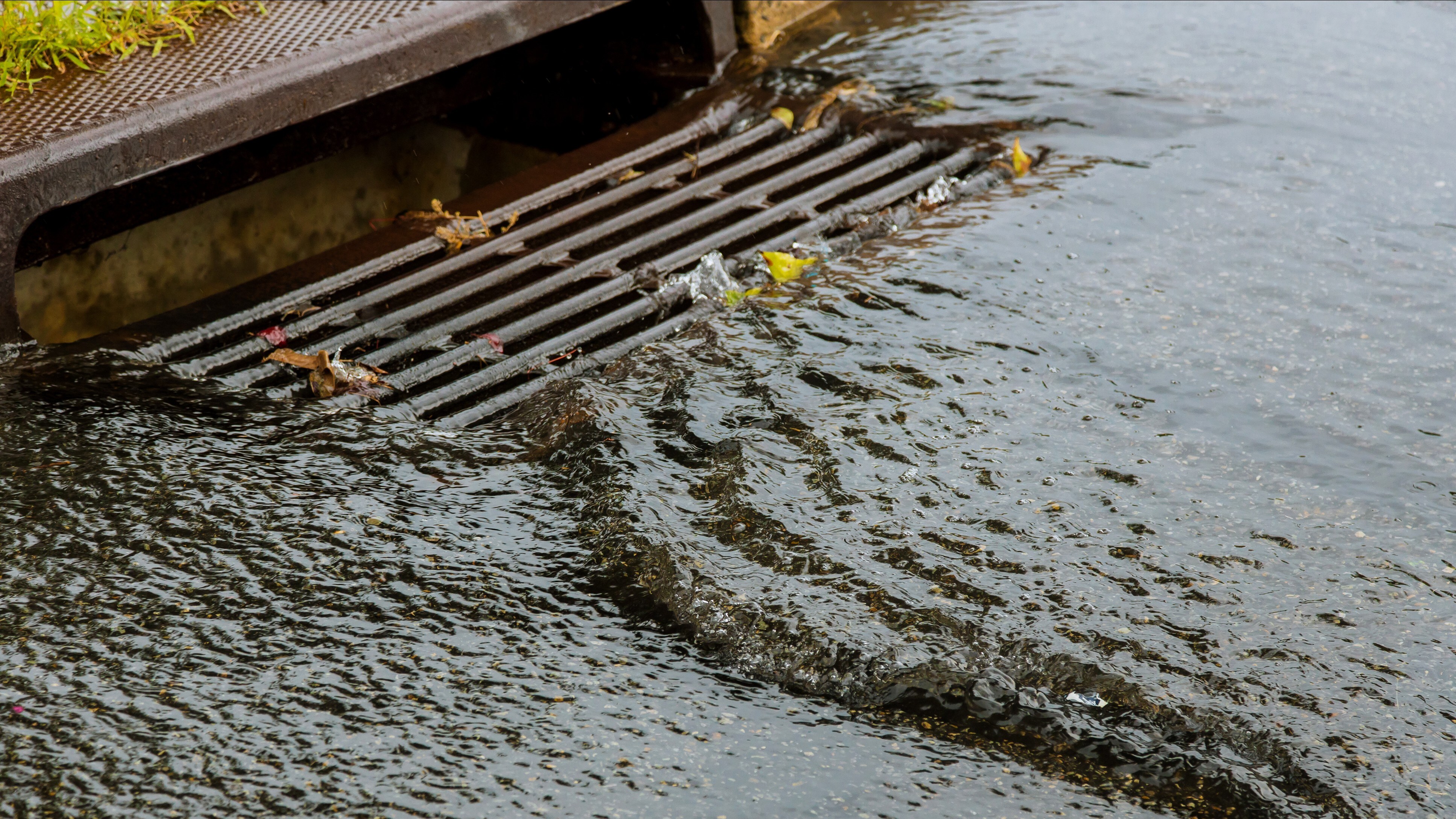
Only 28% of the urban wastewater and sewage generated in India goes through treatment, leaving the rest to flow directly into rivers, lakes and land, think tank Centre for Science and Environment flagged in its latest report.
The report, released on Monday, stated that India's urban water crisis would be resolved if all that wastewater was treated and reused.
"Using and disposing of treated water without harnessing its potential means we are losing out on utilising an important resource. The challenge is to scale up and ensure that the work we do in this sector is impactful." Rajiv Kumar Mital, director general of the National Mission for Clean Ganga, said.
Also Read | Layoffs Are Rising In Tech, But These Skills Are Helping People Unlock Better Pay
CSE Director General Sunita Narain pointed out that India faces significant water scarcity challenges due to a number of factors, including rapid urbanisation, industrial growth, population expansion and most importantly, climate change.
"Wastewater reuse can be a key part of the strategy to address these concerns and promote water circularity and sustainability.In fact, there is an opportunity for turning wastewater into water again and this is what our report's title -- Waste to Worth -- is referring to," Narain added.
CSE, in its report, noted that the Union Jal Shakti Ministry has already made it mandatory that cities must recycle and reuse at least 20% of the water they consume.
"This is in line with the belief that promoting a circular economy is essential for achieving a sustainable and climate-resilient future and for managing the ever-growing demand for freshwater," Subrata Chakraborty, senior programme manager, water programme, CSE, said.
(With inputs from PTI)
Essential Business Intelligence, Sharp Market Insights, Practical Personal Finance Advice, Daily Fuel, Gold and Silver Prices and Latest Stories — On NDTV Profit.