Charting The Global Economy: Trump's Tariffs, BoE Rate Cut, Brazil Hosts COP30 & More
The Bank of England reduced interest rates to a more than two-year low in a closer-than-expected decision that leaves investors with what Governor Andrew Bailey called “genuine uncertainty” on its next move.
In the US, the services sector effectively stagnated last month as sluggish demand and higher input costs prompted companies to reduce employment — the latest evidence of a slowing economy.
Here are some of the charts that appeared on Bloomberg this week on the latest developments in the global economy, markets and geopolitics:
Europe
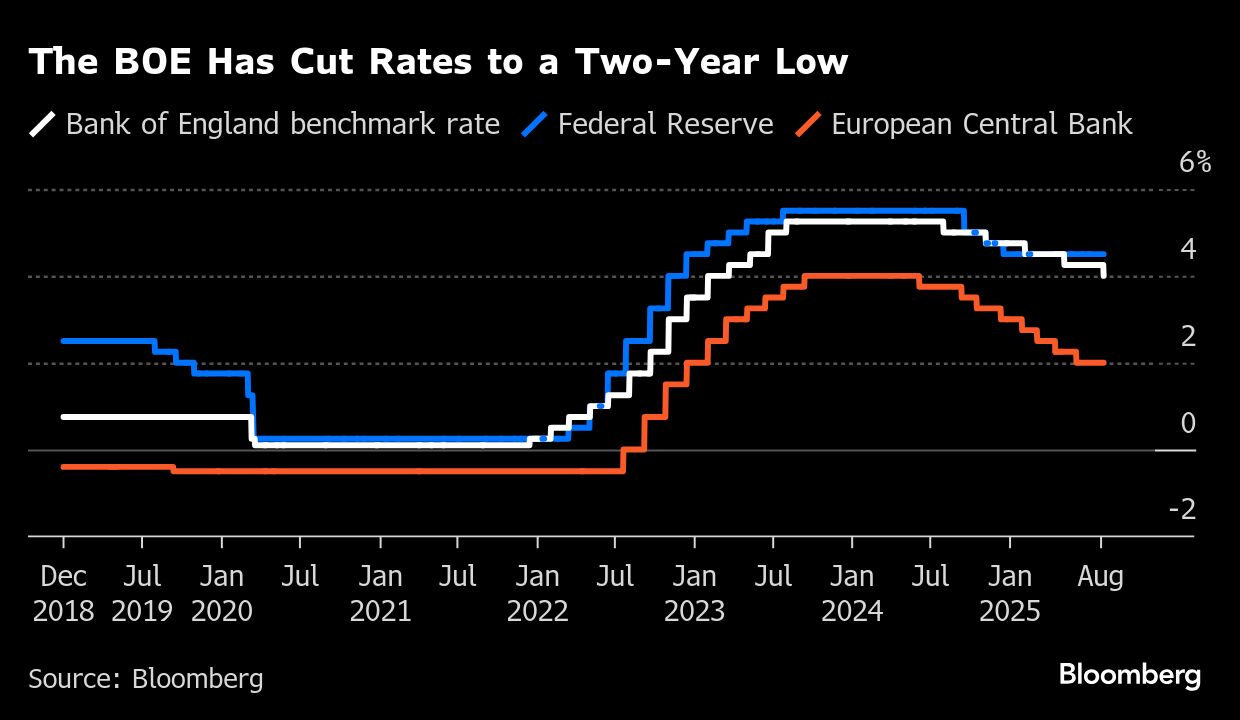
In a judgment that pitted the prospect of inflation hitting 4% against a weakening jobs market, five members of the Bank of England's Monetary Policy Committee split 5-to-4 in favor of reducing rates by a quarter-point to 4% after deadlock forced it into an unprecedented second vote. The prospect of another reduction this year is now shrouded in doubt. It was the first time in the panel's 28-year history that two rounds of voting were needed for a presentable outcome on rates.
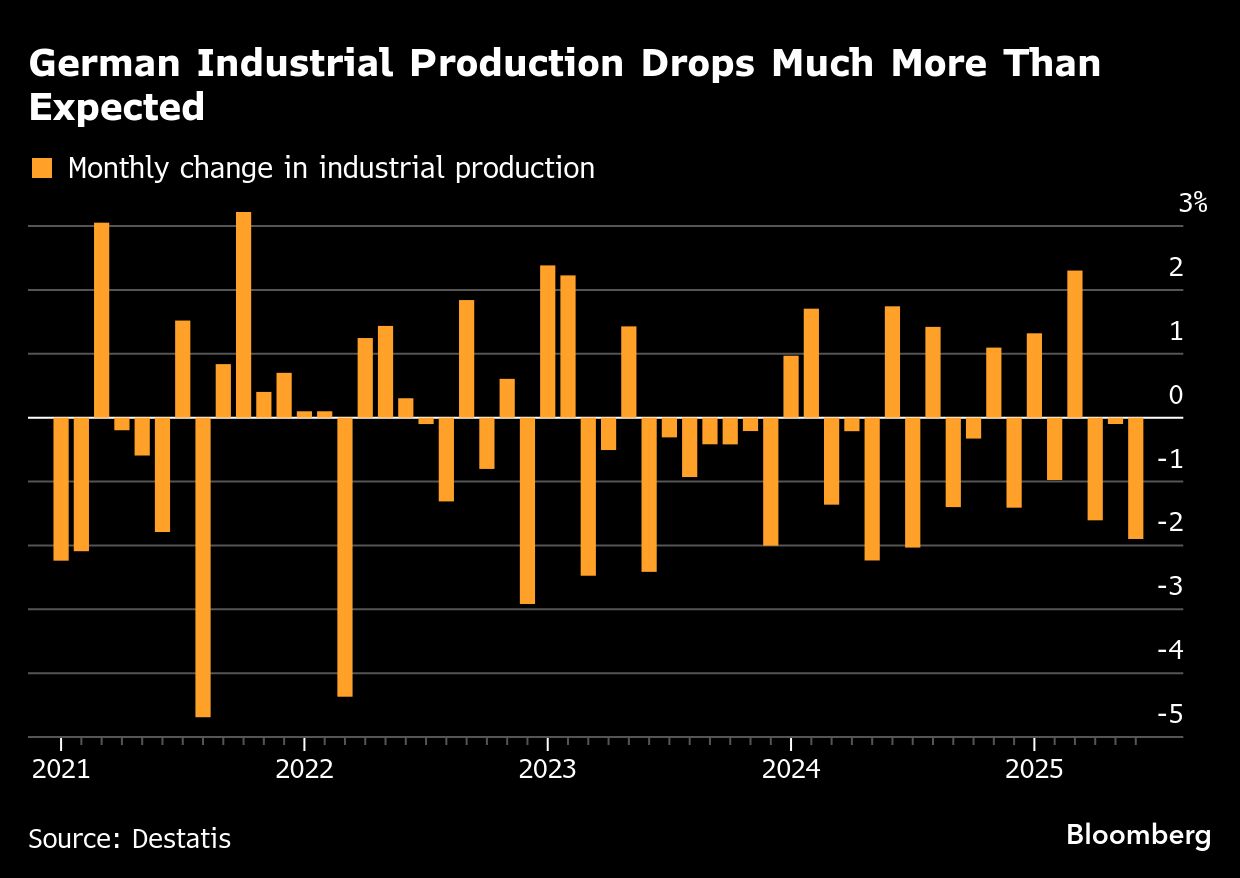
German industrial production suffered its biggest drop in almost a year, raising the prospect that Europe's largest economy shrank last quarter by even more than initially estimated.
US
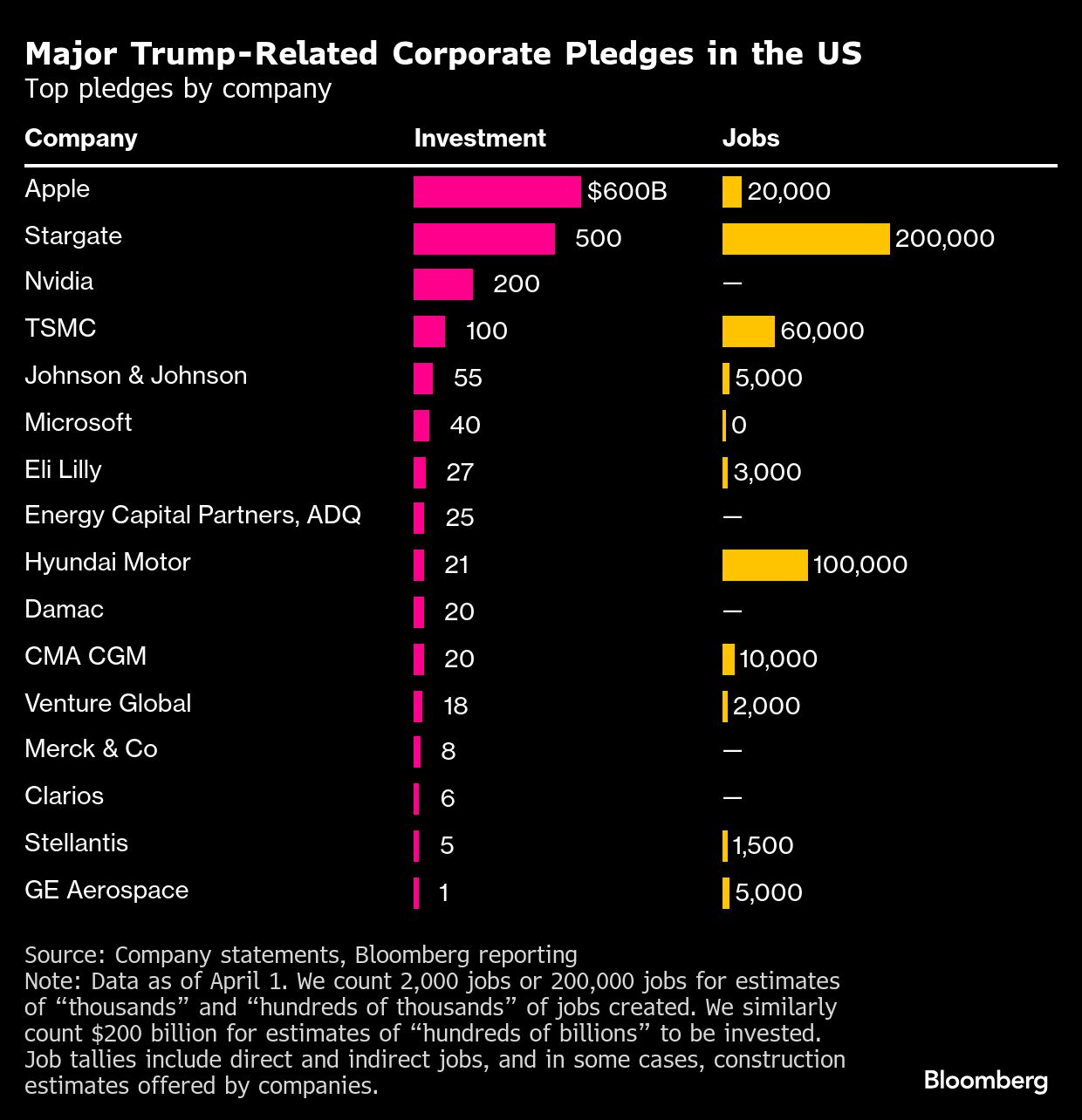
President Donald Trump declared plans for a 100% tariff on semiconductor imports while promising to exempt companies such as Apple Inc. that move production back to the US, triggering a scramble among trading partners and companies worldwide to make sense of the threat.
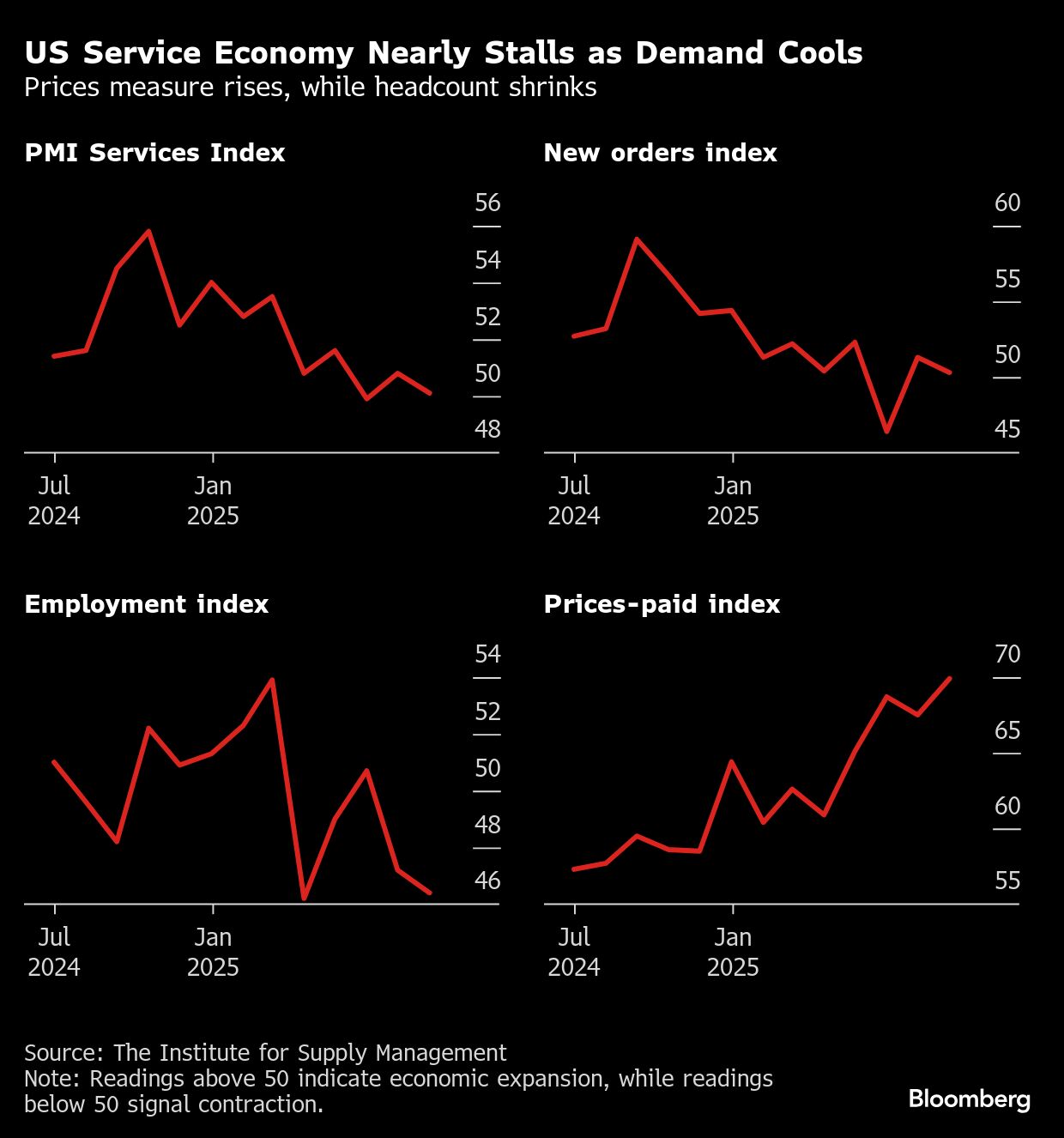
The US services sector effectively stagnated in July as firms — faced with tepid demand and rising costs — reduced headcount. The Institute for Supply Management's index of services declined last month to 50.1, below all estimates in a Bloomberg survey of economists. Readings above 50 indicate expansion.
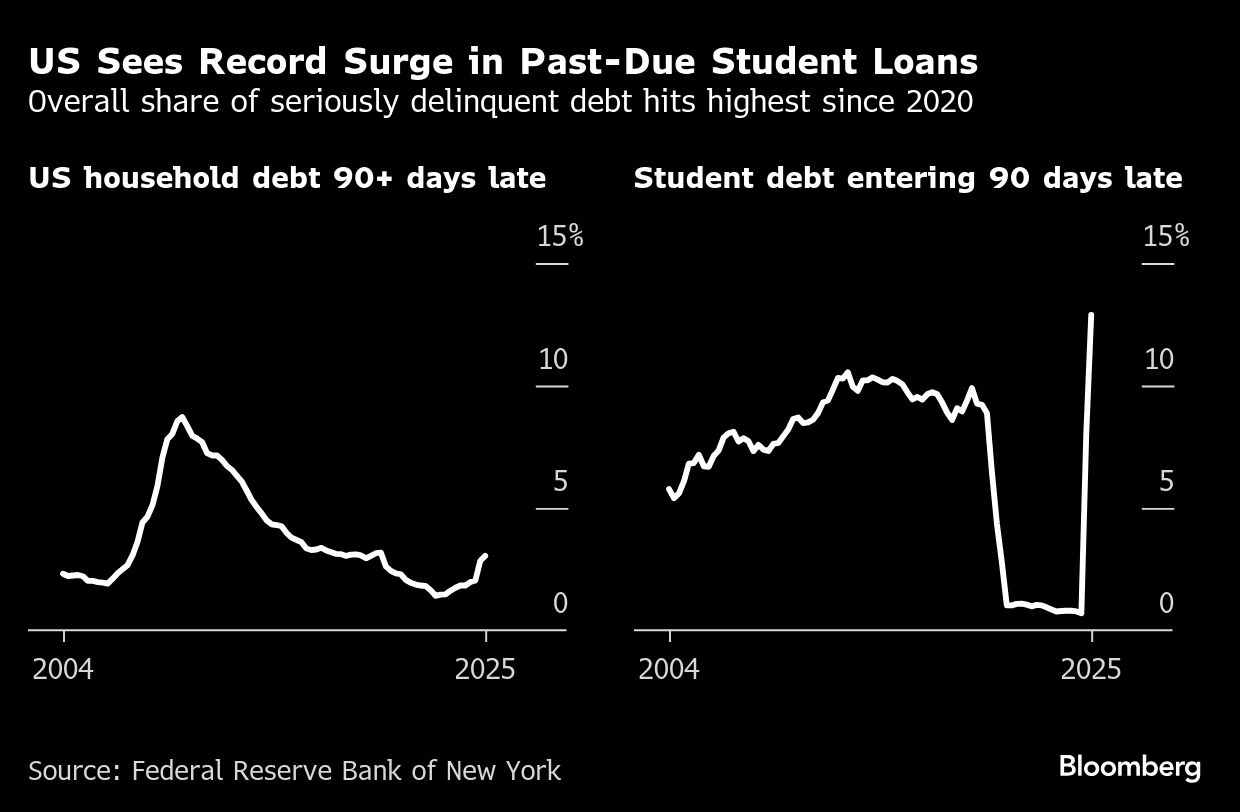
The share of consumer debt in serious delinquency rose in the second quarter to the highest level since early 2020, reflecting a record surge in past-due student-loan debt. In a briefing with reporters, New York Fed researchers said student-loan delinquencies would likely continue to rise, eventually returning to pre-pandemic levels.
Asia
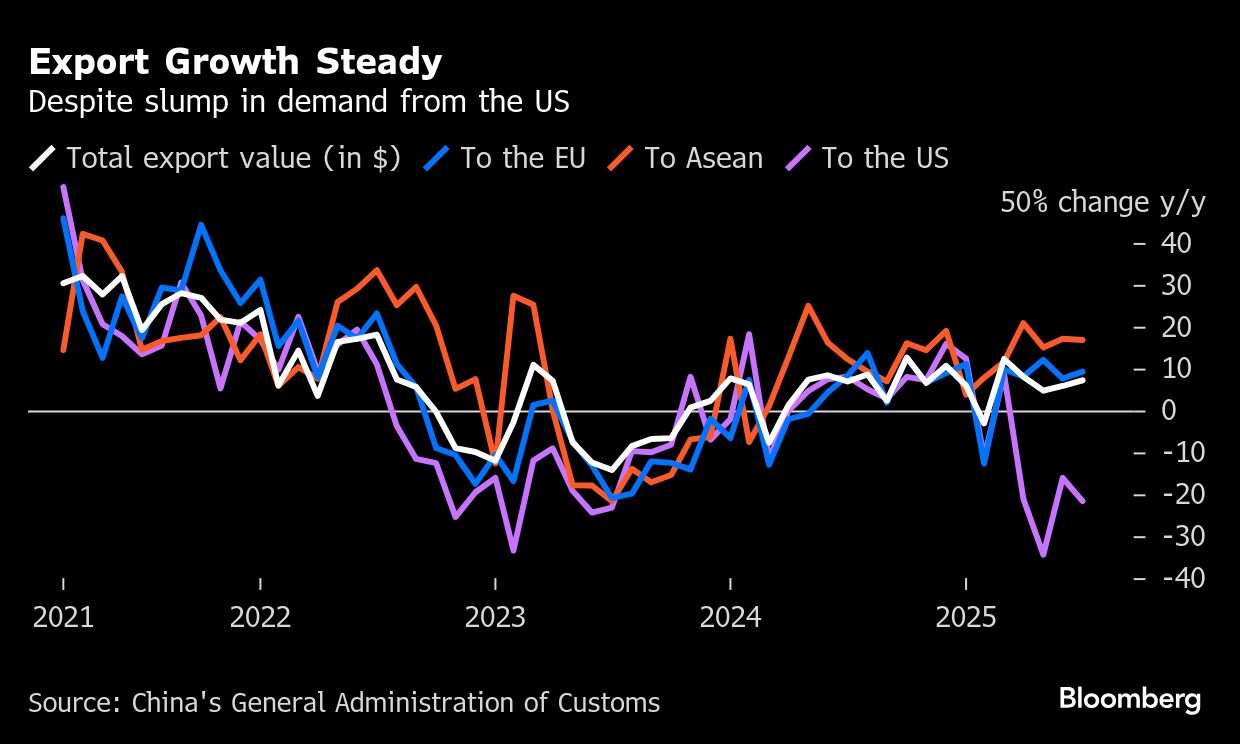
China's export growth unexpectedly accelerated last month in the fastest gain since April, as demand from around the world compensated for the continued slump in shipments to the US.
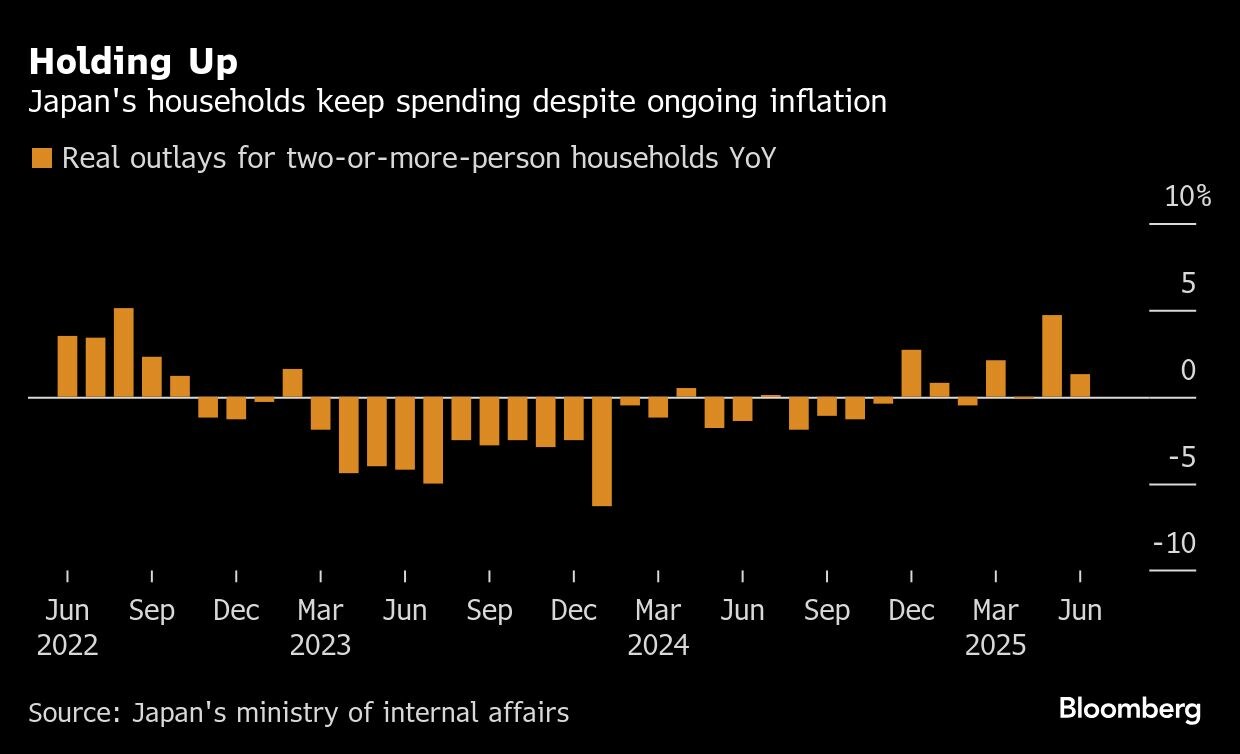
Japan's household spending rose in June for a second month in a show of some resilience despite persistent inflation. Outlays by households adjusted for inflation increased 1.3% from a year ago, led by spending on transportation and housing related costs.
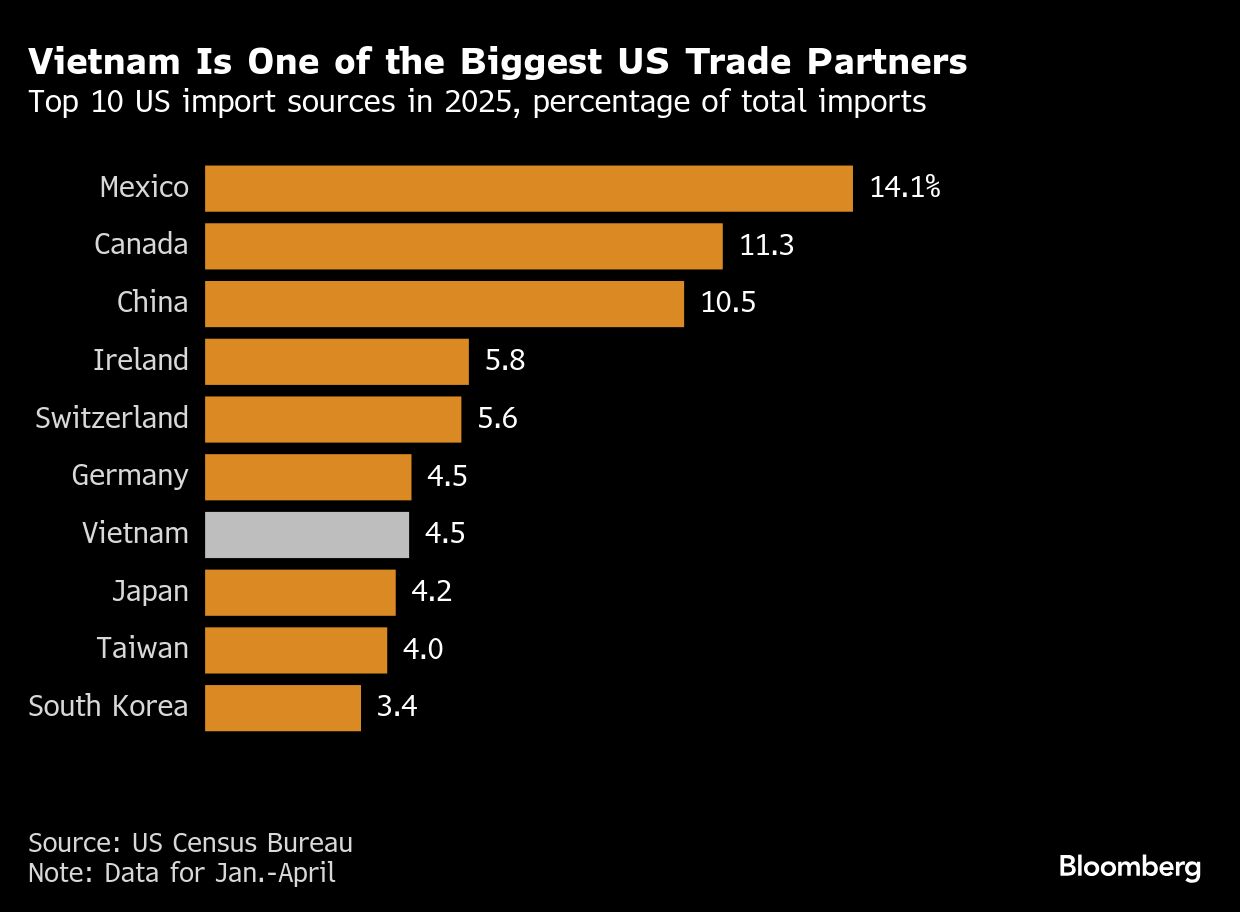
Vietnam's exports jumped more than expected in July, with buyers racing to avoid a 20% tariff on the country's exports to the US. The Southeast Asian nation, an export powerhouse that sells everything from coffee and clothing to engine parts, has been shipping more goods this year to buyers aiming to avoid US tariffs.
Emerging Markets
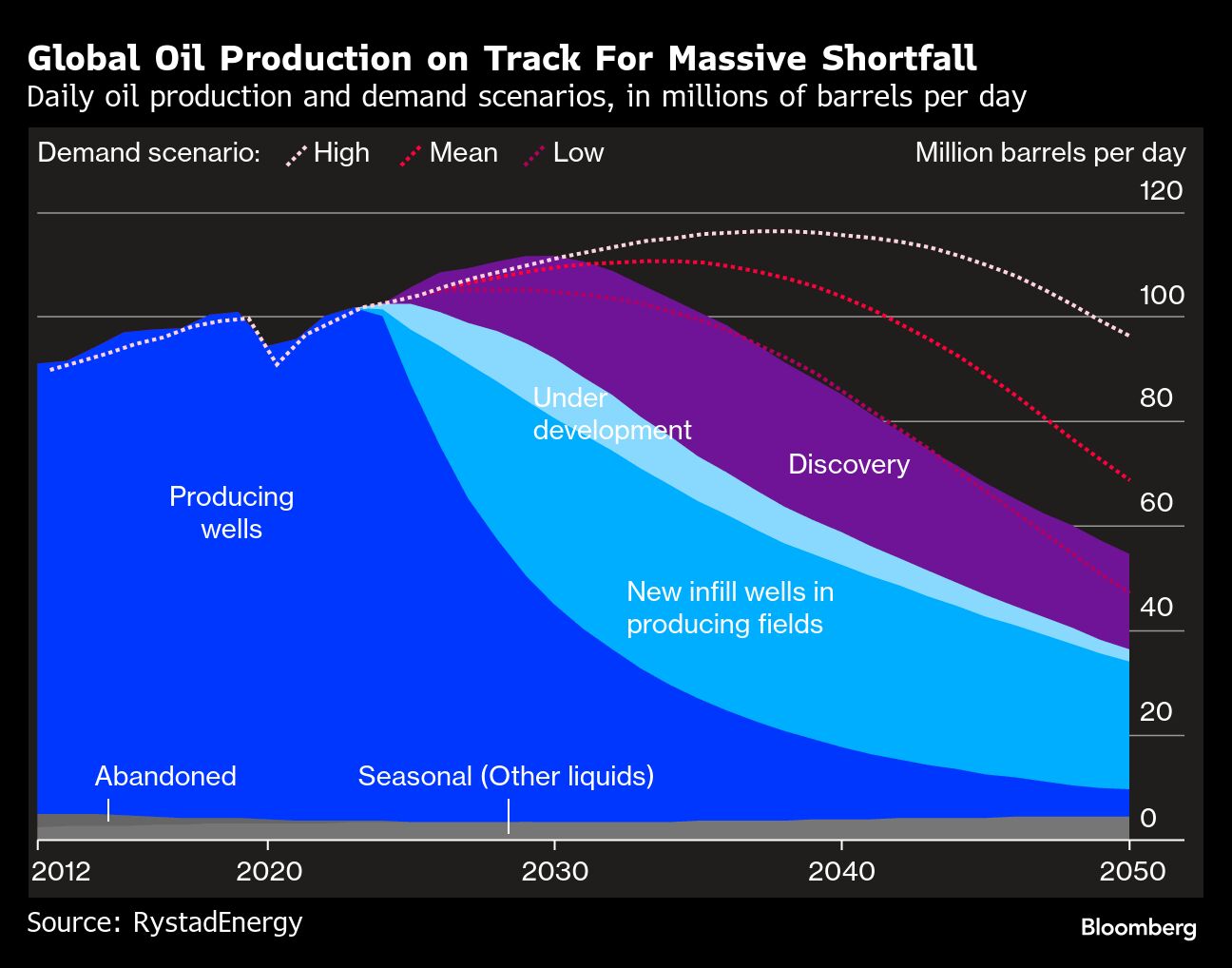
Brazil is hosting COP30, the world's most important climate conference, this fall, while its state-owned oil company is moving a giant drillship to a site just over 100 miles off the coast of the Amazon rainforest in a desperate hunt for more crude — one it hopes will save the production of the nation's biggest export — from plunging in the 2030s. A discovery would support the nation's shrinking trade surplus, attract investments and boost royalty payments to a government afflicted by budget constraints.
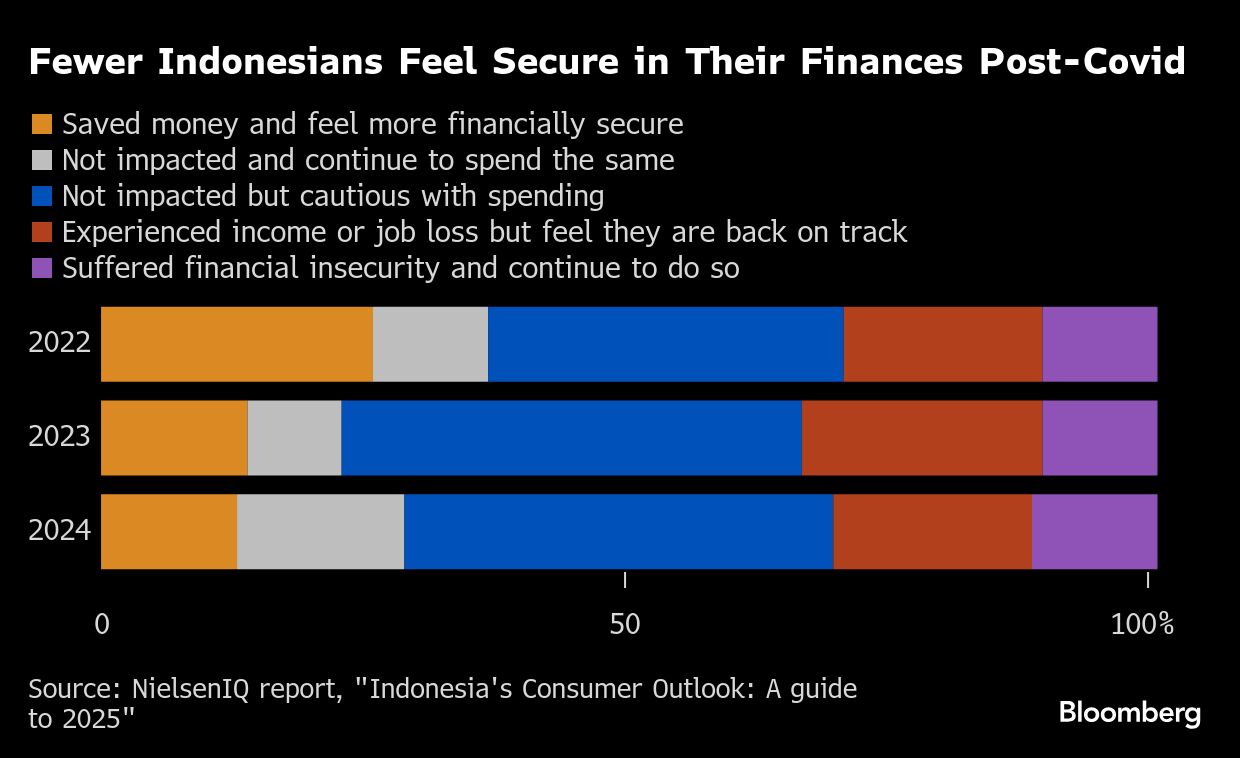
Indonesia's economy is growing at its fastest pace in two years. Not all consumers are buying it.
World
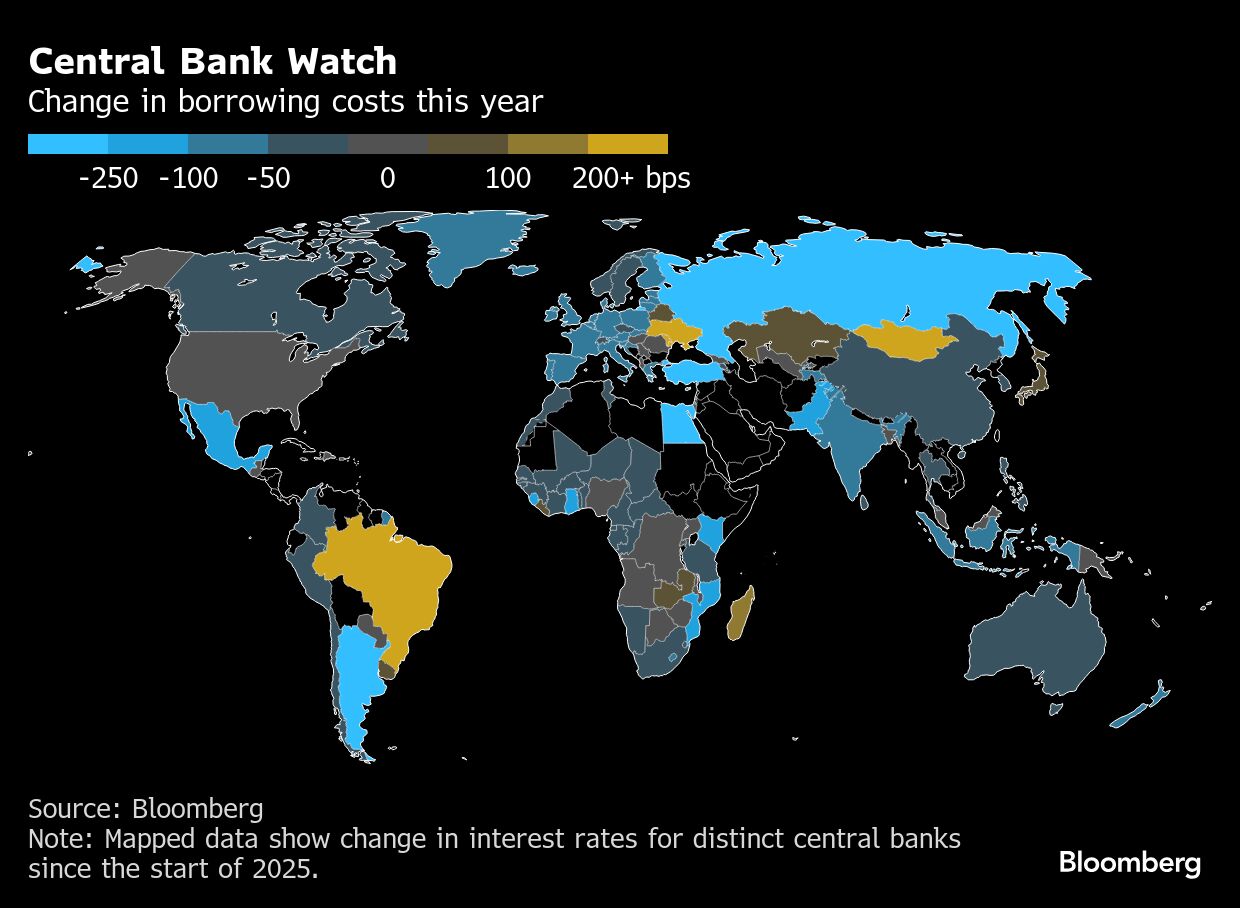
Aside from the BOE, officials in Mexico and Lesotho lowered interest rates. Central banks in Armenia, India, Serbia, the Czech Republic, Madagascar and Romania held rates steady.

-
We May Need Another Tukaram Mundhe To Fight Air Pollution | The Reason Why

Developers may install basic measures such as sprinklers and green nets, resume work, and continue violating rules when this equipment stops working.
-
Extracting Value From Battery Scrap Could Be Challenging For India | The Reason Why
A discarded lithium-ion battery still contains valuable materials such as lithium, nickel and cobalt. These can be recovered and reused. When such batteries are crushed and shredded, they produce a dark powder called black mass.
-
One El Nino, India Can Handle. Two Could Break The Granary
India's grain stocks can absorb one bad year, but a second El Nino could drain the buffer in two to three years, economists say.
-
India's Troika Of Good Luck | Joining The Dots
As Jensen Huang's exit drags Nvidia down, a cooling AI trade and resilient earnings have revived investor interest in India. A likely RBI rate hike looms.
-
Talking Points This Week: Leadership Shock At Nvidia, Earnings Strength, And The Fog Over Hormuz
The Anthropic IPO pricing and first trading day, Nvidia's upcoming earnings, and any fresh signals from Iran will set the tone for the following week.
-
Signature Play: The Classic Cocktail Is Dead. Or Is It?
Classic cocktails are disappearing from India's cocktail menus. But they're still being ordered, taught to bartenders and borrowed from. So, who's really having the last drink?
-
A New Samvat Wishlist: Inclusive Prosperity And Human Development
India has strengthened its economic foundations through infrastructure, digital access and enterprise. Its next growth chapter must deepen productivity, create better livelihoods and widen participation in prosperity.
-
Love, Sex Aur Dhokha: The Audacious Plot To Spy On Jensen Huang
A Taipei dinner, a Singapore chip buyer and a suspected Chinese asset: inside the alleged spy operation that got close to NVIDIA's Jensen Huang.
-
Ten Things I Learnt This Samvat
Patience can be a trap. Cheap stocks can stay cheap. Leverage can wipe you out. What did Samvat 2082 teach us? Niraj Shah writes on 10 lessons from the year gone by.
-
Talking Points This Week: Tech Nerves, FII Buying, And A Faraway Banking Shock
The global markets are not shining this Diwali. The exception in the large markets is, India.









