Charting The Global Economy: Inflation Picks Up In Japan, UK

Inflation accelerated in Japan, the UK and Canada, reinforcing a resurgence in price pressures around the world at the start of the year.
Food prices were a major driver of higher prices in Japan, where policymakers are expected to raise interest rates further. Traders trimmed bets on future rate cuts in the UK and Canada.
Here are some of the charts that appeared on Bloomberg this week on the latest developments in the global economy, markets and geopolitics:
Asia
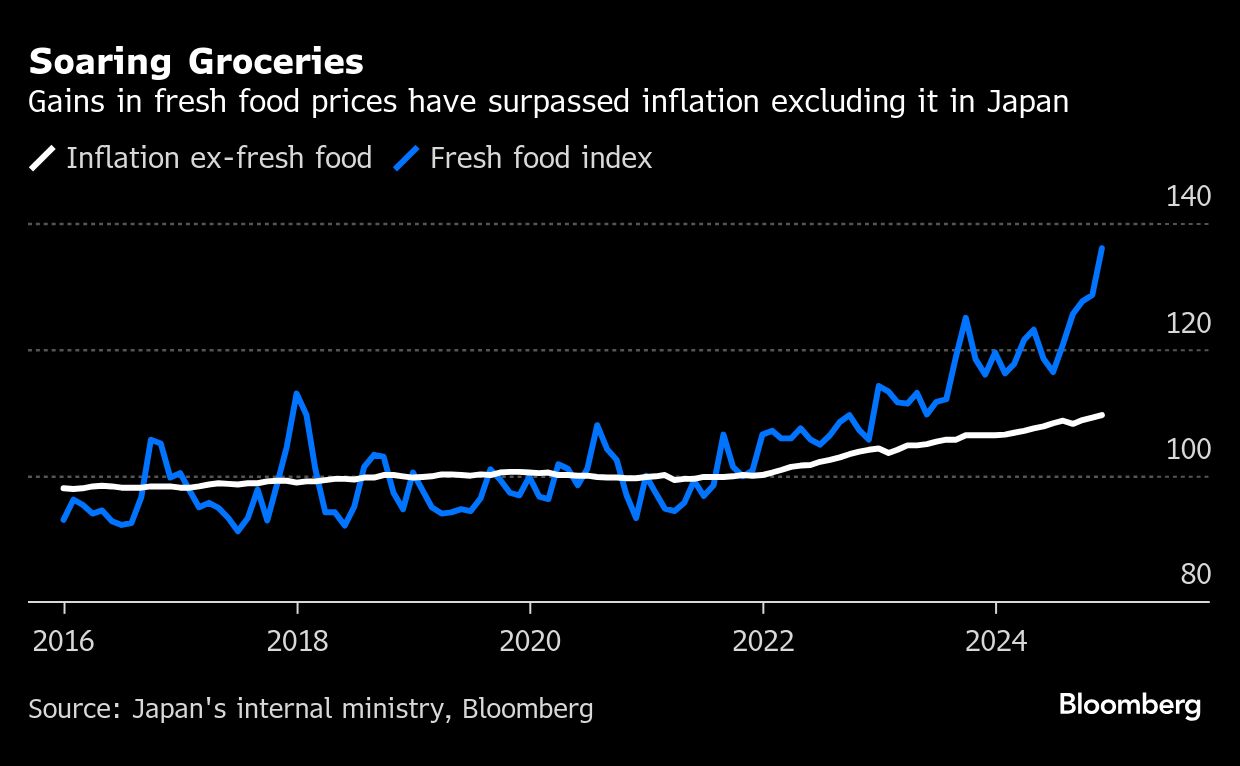
Japan's inflation accelerated more than expected on higher food prices, rising at the fastest pace since the middle of 2023 and keeping the Bank of Japan on track to raise its benchmark interest rate further. The 4% advance in overall consumer prices reaffirms Japan's status as the Group of Seven country facing the fastest inflation, contrasting sharply with its decades-long reputation as a nation stuck in a deflationary rut.
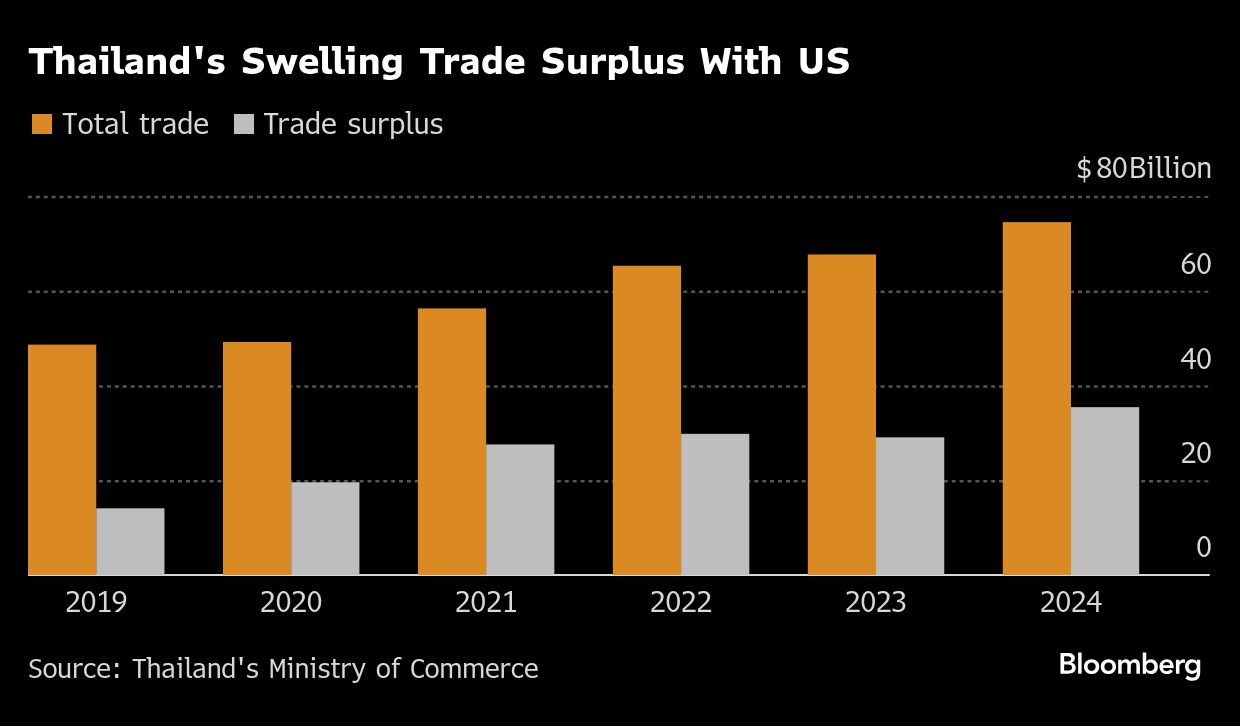
Thailand's feed industry is pitching to buy about $2.8 billion worth of agricultural commodities annually from the US instead of other suppliers, as the Southeast Asian nation seeks to narrow its $35 billion trade surplus and head off possible tariffs on its own exports.
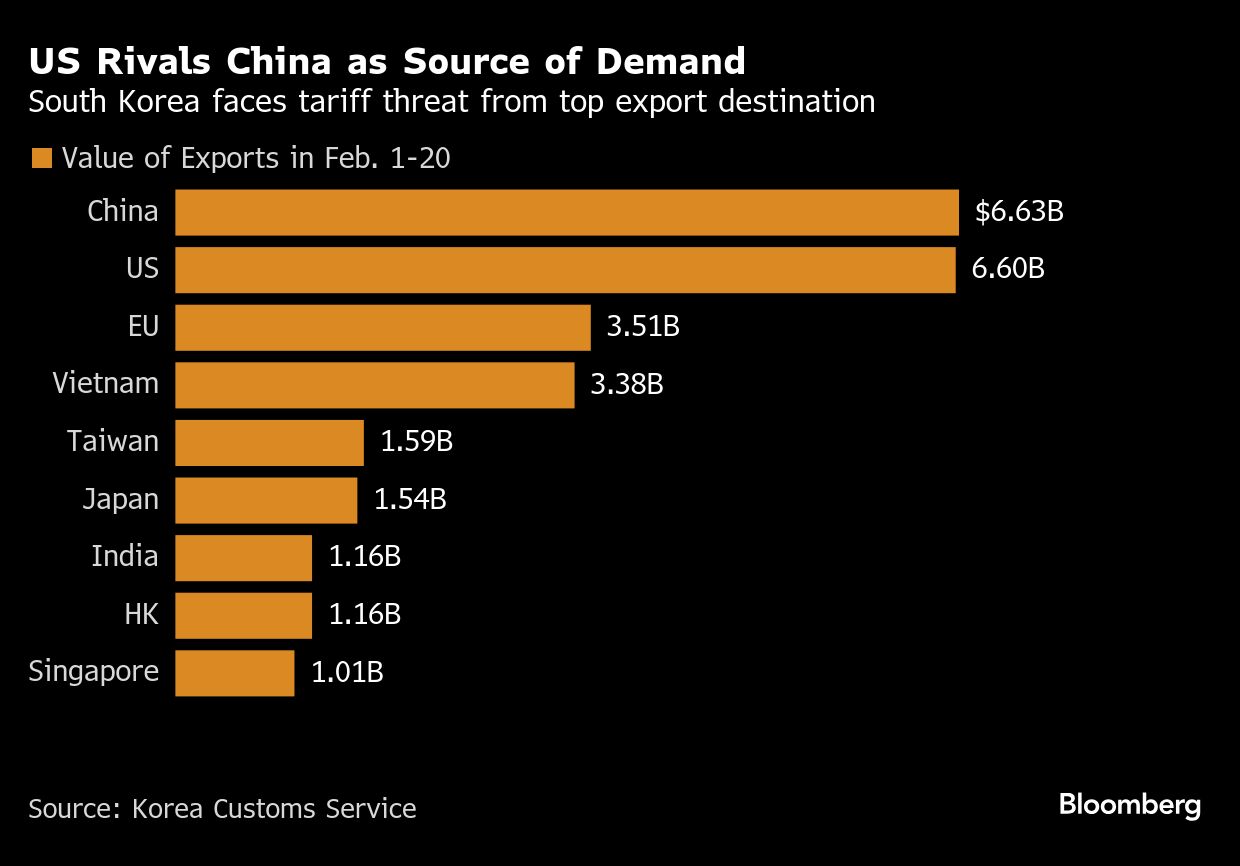
South Korea's exports have lost momentum so far this month, dimming the 2025 outlook for an economy overshadowed by political turmoil and the potential impact of Donald Trump's tariff plans. South Korea's deputy trade minister visited Washington this week and asked the US to exclude his country from its tariff plans, according to a government statement.
Europe
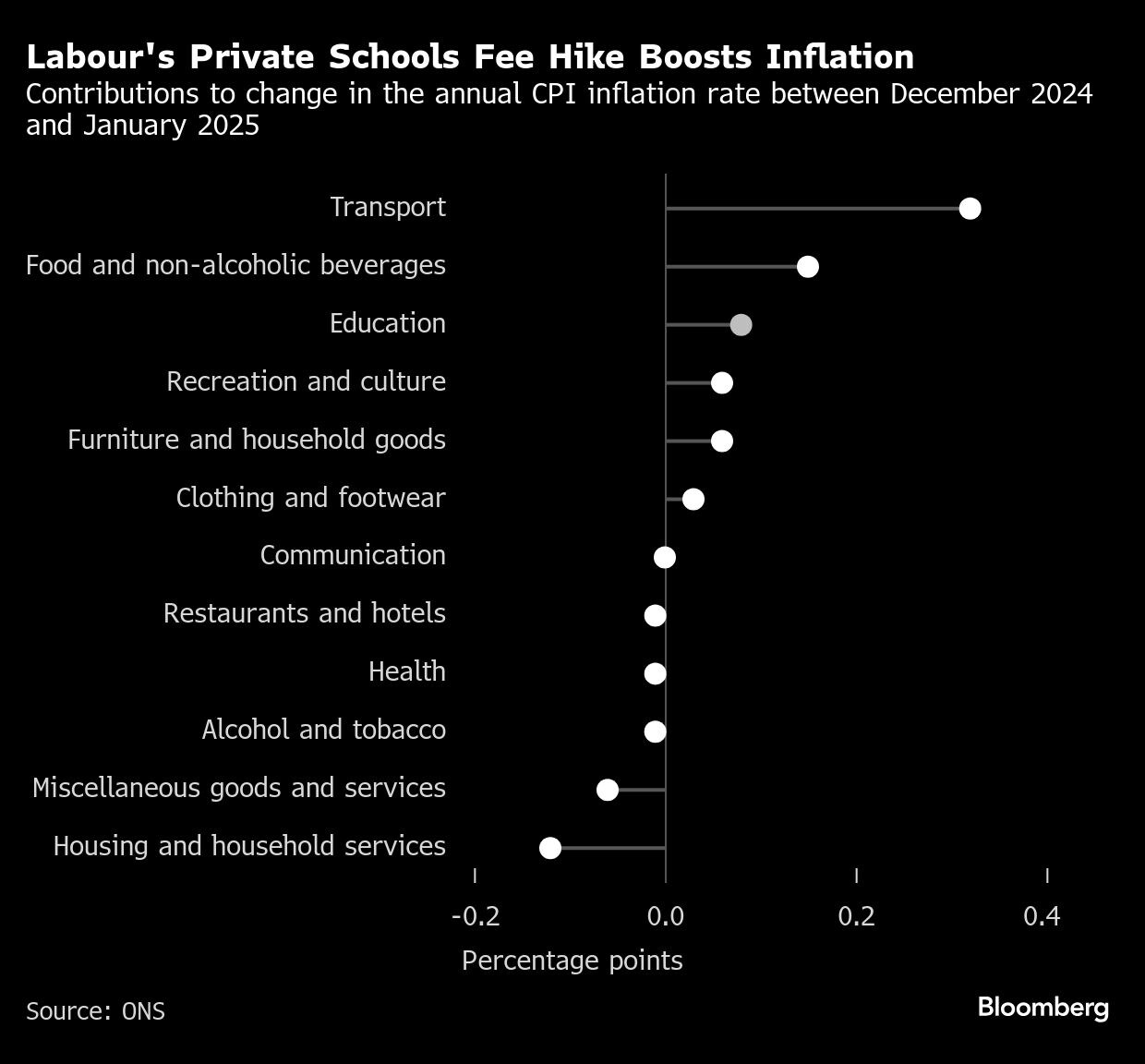
UK inflation climbed to the highest level in 10 months in January, boosted by the cost of airfares, motor fuel, food and the imposition of value-added tax on private school fees. The figures, which follow resilient labor market data, support the Bank of England's cautious approach to cutting interest rates to aid a moribund economy.
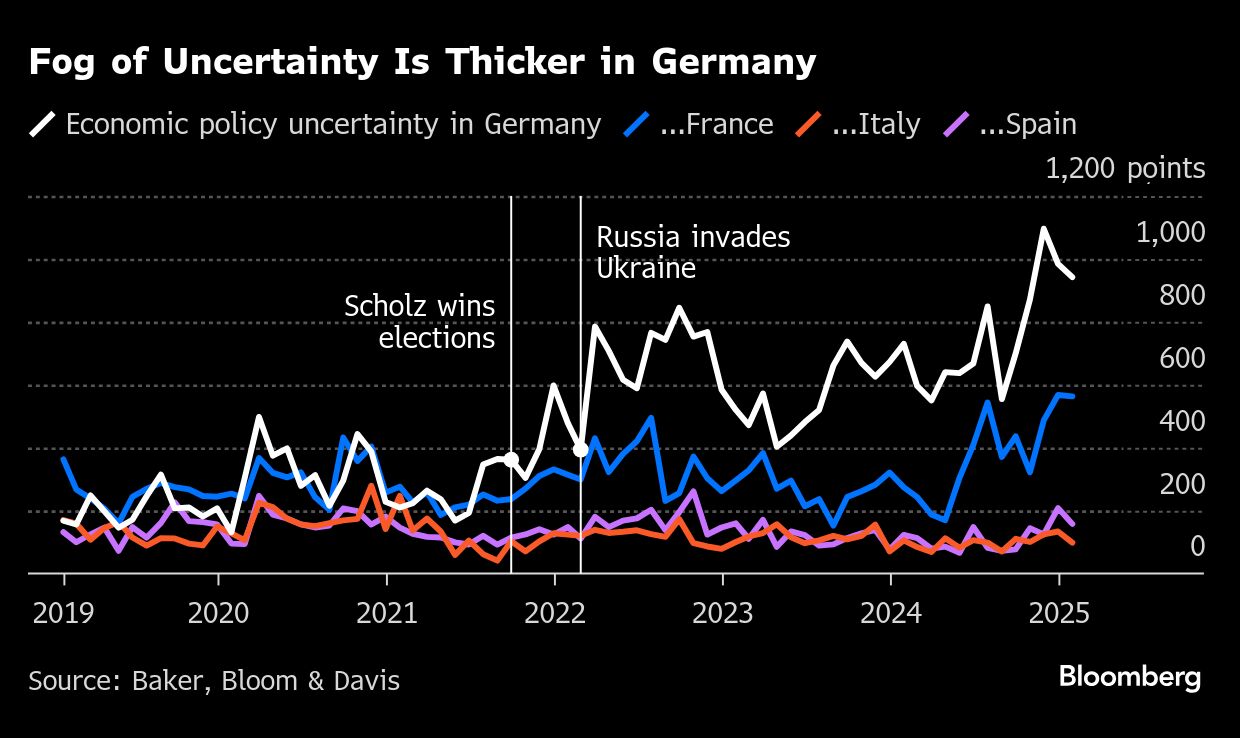
As the clock ticks down on the campaign, Germany's embattled political class needs to show it can fix past mistakes. But the division on display in the Bundestag and beyond raises questions about whether the mainstream is up to the task in what looks like its last chance to turn things around. .
US & Canada
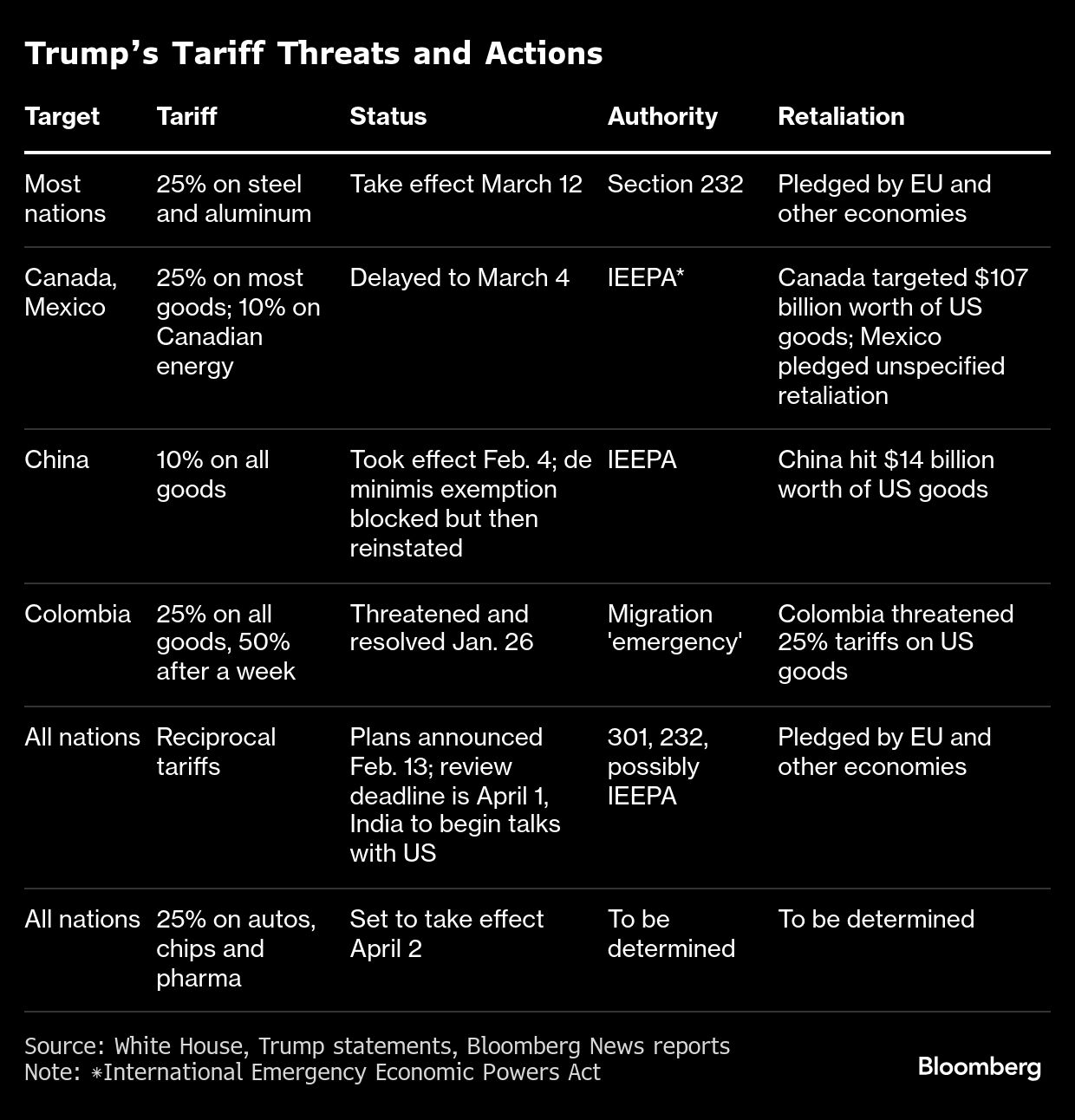
President Trump and his economic team are increasingly focusing on the revenues his tariffs would generate as he seeks to get tax cuts through Congress, pointing to an ominous path ahead for countries trying to avoid a trade war.
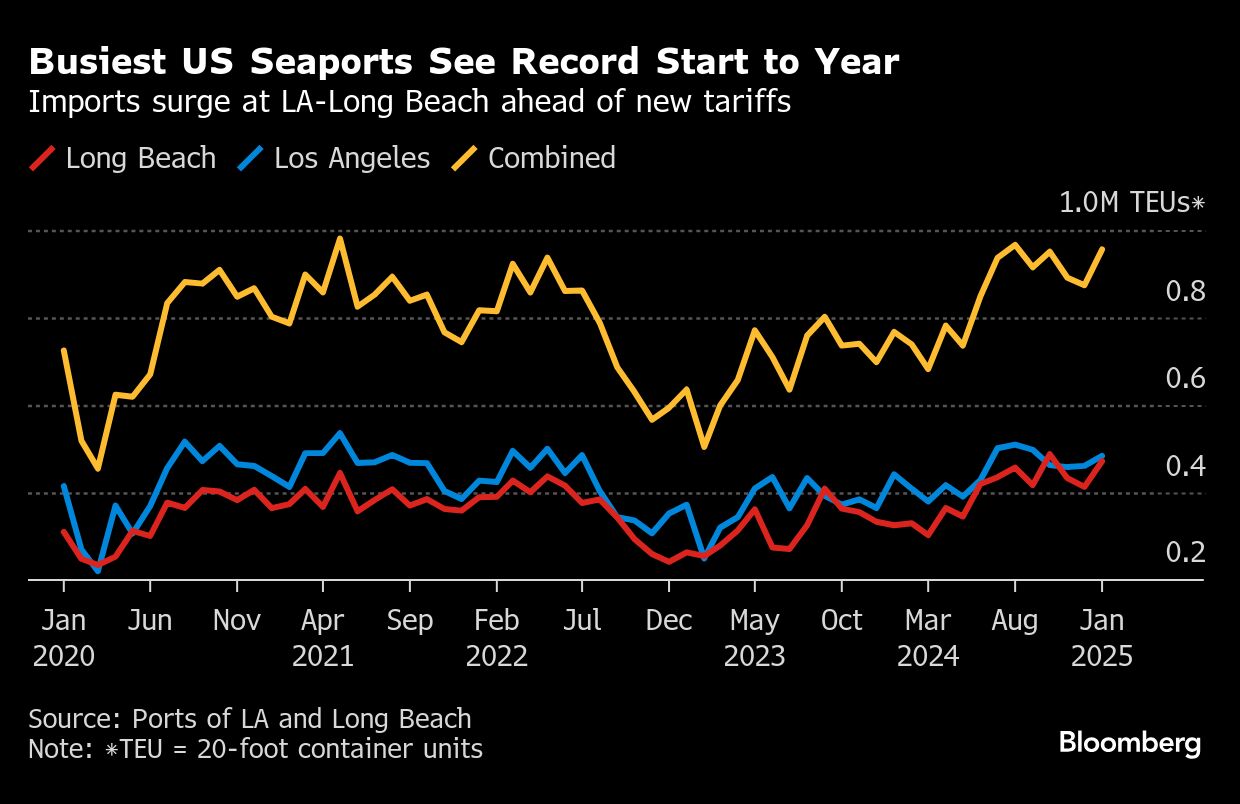
The busiest trade hub in the US moved more containers last month than in any previous January, as importers rushed to bring in goods before widely anticipated tariff hikes from Trump.
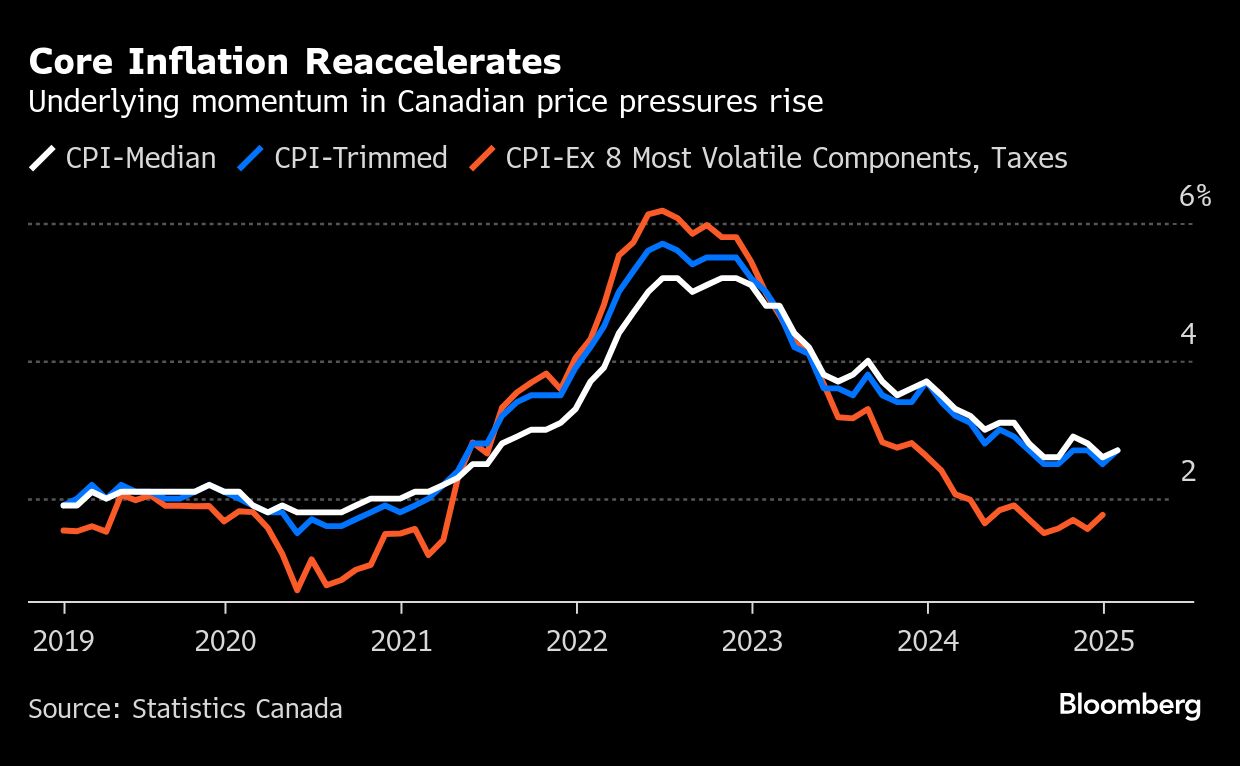
Canadian consumer prices reaccelerated for the first time in three months as the central bank's preferred core measures are proving sticky. The slight acceleration — which matched the median economist estimate in a Bloomberg survey — was largely driven by increased energy prices, while a temporary sales tax break helped slow price pressures for food and restaurant meals.
Emerging Markets
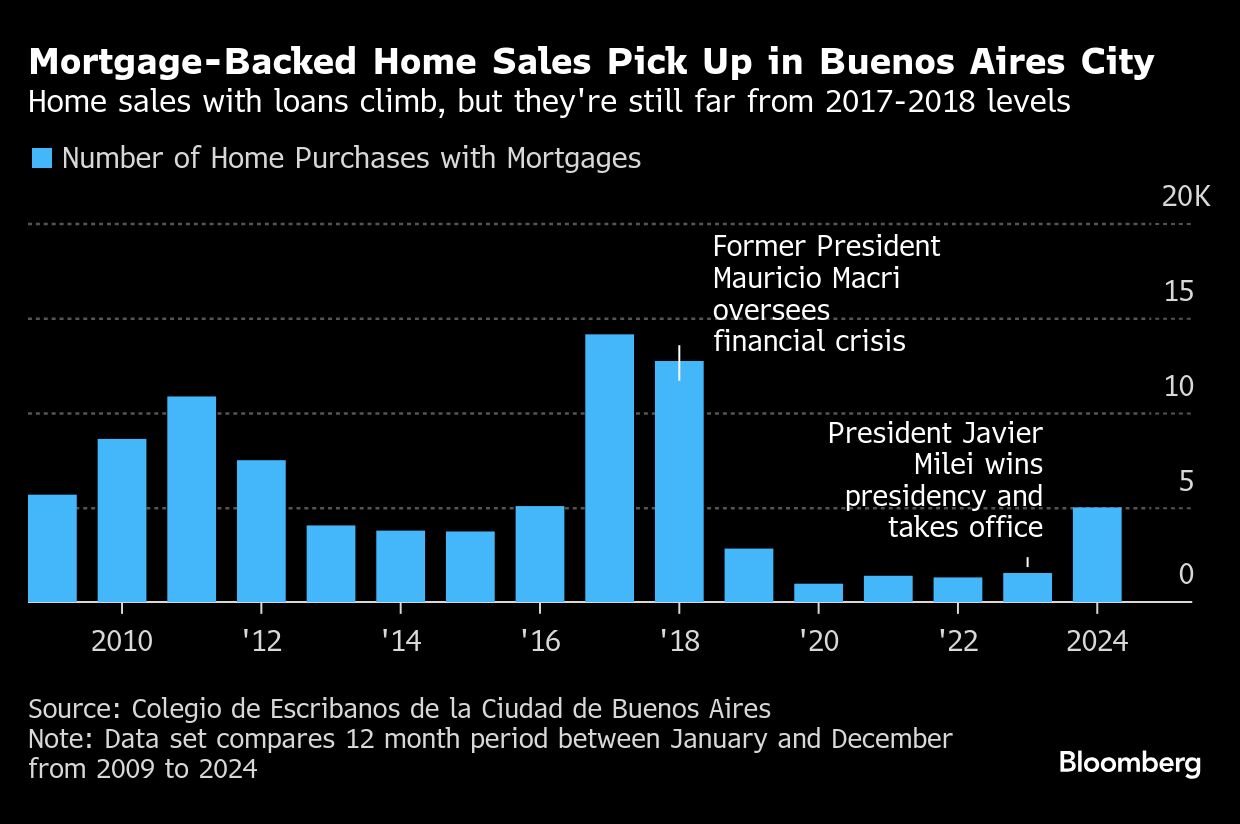
Endless boom-and-bust cycles have shuttered Argentines' access to mortgages for years. Now, home loans are coming back in a big way. The surge is thanks in part to President Javier Milei's efforts to nurse the economy back to health, which has fueled optimism among Argentines and Wall Street traders alike.
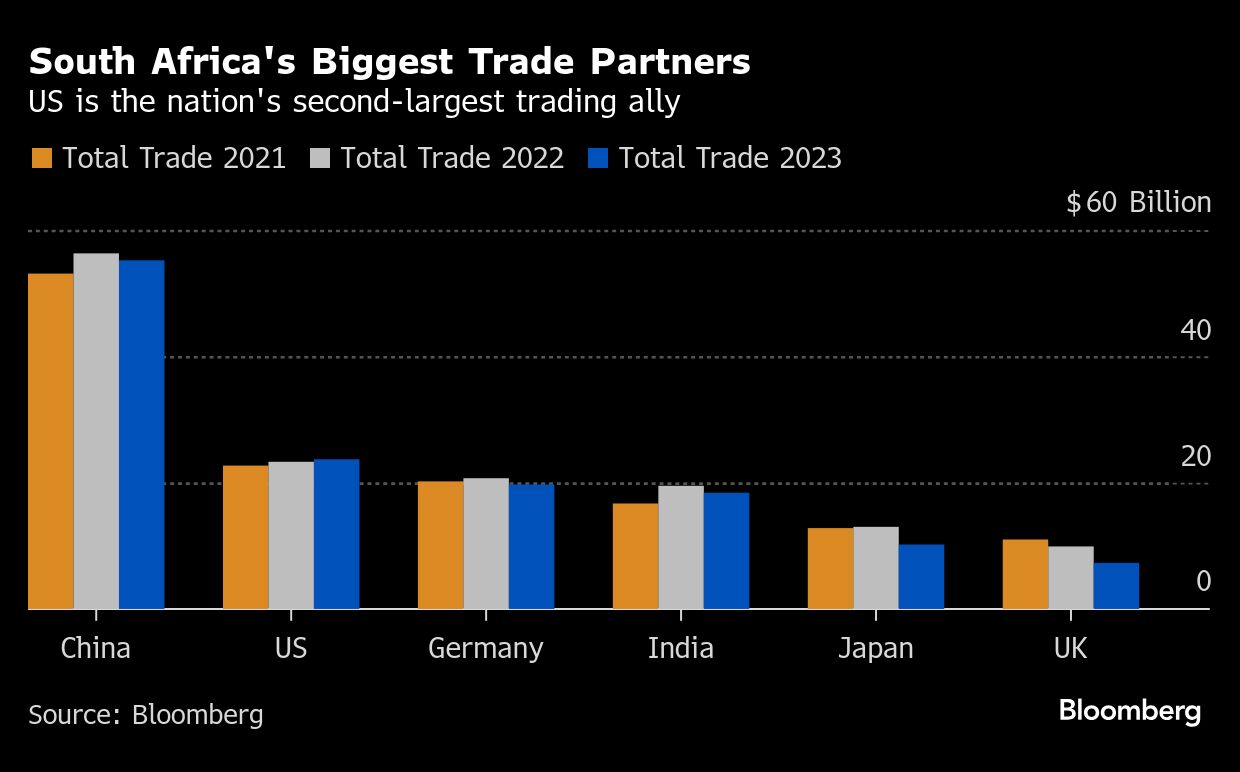
The European Union and South Africa are forging closer ties as South Africa is being targeted by Trump. While China and the US are South Africa's largest trading partners, the EU collectively competes with the Asian nation for the top spot, and is the largest foreign investor in Africa's biggest economy.
World
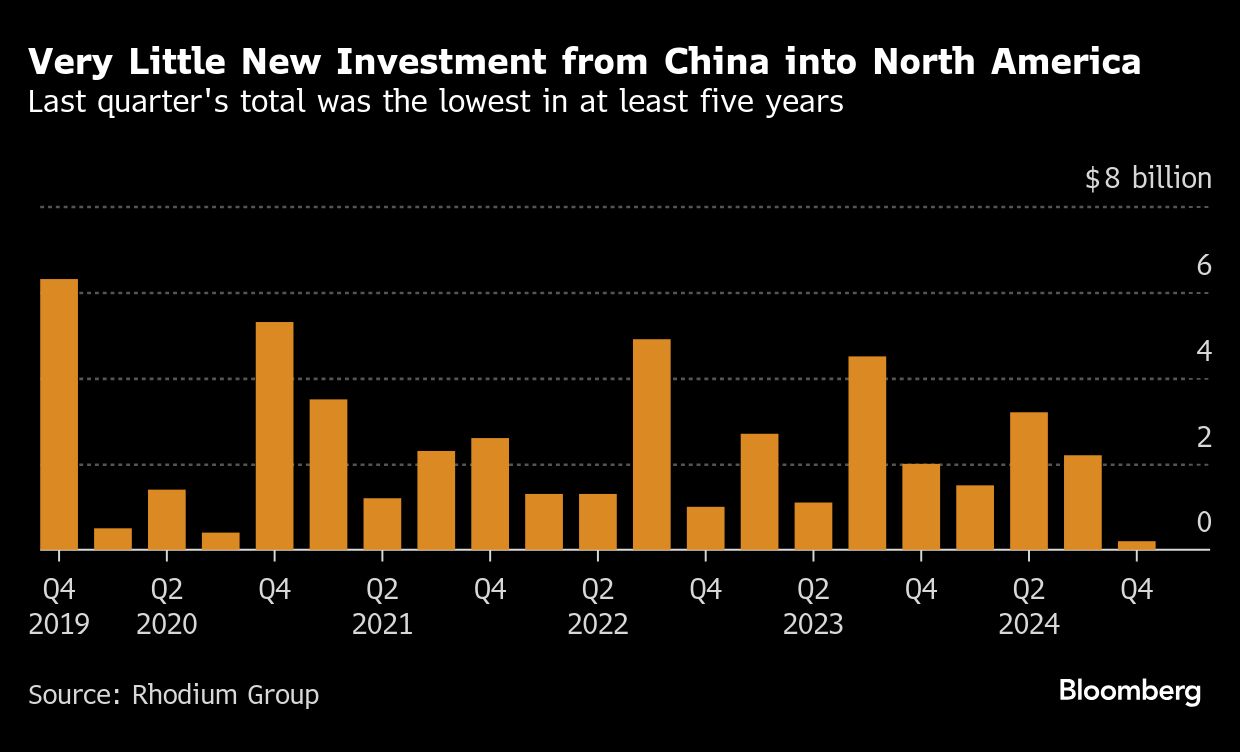
China's investment into North America dropped at the end of last year below levels seen during the worst of the pandemic, a slump caused by hurdles in the US and likely exacerbated by a wait-and-see attitude of firms ahead of the election won by Trump. The Middle East and Africa were the largest outbound investment destinations for Chinese firms.
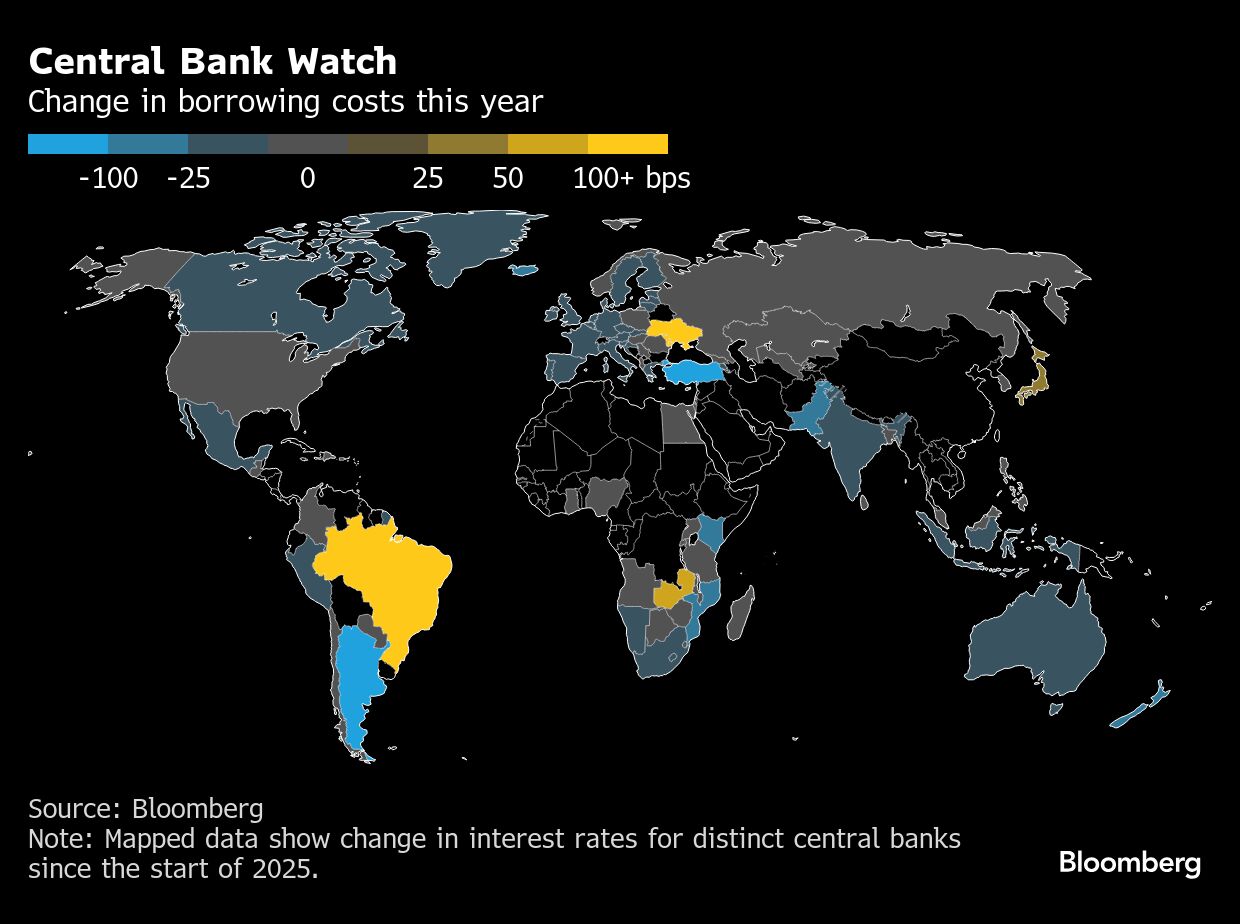
Australia's central bank cut interest rates for the first time in four years as price pressures cool while stressing it won't ease as aggressively as markets anticipate. New Zealand also lowered borrowing costs. Indonesia, China, Nigeria, Guatemala, Botswana, Egypt and Paraguay held steady.

-
Signature Play: The Classic Cocktail Is Dead. Or Is It?

Classic cocktails are disappearing from India's cocktail menus. But they're still being ordered, taught to bartenders and borrowed from. So, who's really having the last drink?
-
A New Samvat Wishlist: Inclusive Prosperity And Human Development
India has strengthened its economic foundations through infrastructure, digital access and enterprise. Its next growth chapter must deepen productivity, create better livelihoods and widen participation in prosperity.
-
Love, Sex Aur Dhokha: The Audacious Plot To Spy On Jensen Huang
A Taipei dinner, a Singapore chip buyer and a suspected Chinese asset: inside the alleged spy operation that got close to NVIDIA's Jensen Huang.
-
Ten Things I Learnt This Samvat
Patience can be a trap. Cheap stocks can stay cheap. Leverage can wipe you out. What did Samvat 2082 teach us? Niraj Shah writes on 10 lessons from the year gone by.
-
Talking Points This Week: Tech Nerves, FII Buying, And A Faraway Banking Shock
The global markets are not shining this Diwali. The exception in the large markets is, India.
-
Midterm Rally Lasted A Day. The Hard Reality Of A Divided US May Last Two Years | Opinion
Between a contested AI boom, a debt ceiling that arrives in 2027 and a president with every incentive to act alone, the next two years may prove more volatile than the first day's rally suggests.
-
Blue Wave Will Derail the AI Trade but Won't Dismantle the AI Era | Unhedged Position
The Democrats' sweep of the US Congress will see politics collide with economic forces both over the long and short term.
-
It's Time To Take The GST Council's Bet On Trust Global
Payment records can prove India's services exports, and clear, proportionate rules can bring foreign digital sellers into the tax net.
-
Opinion | India at 38: From Innovation Overperformer to Innovation Powerhouse
India now has 453 VC-backed deep science startups, 18 of them late-stage, after 117 percent growth since 2020. Laurus Labs, at USD 9.3 billion, is the most valuable deep science company in any middle-income economy outside China.









