You May Have To Skip Chakna Next Time You Have A Drink. The Reason — Inflation
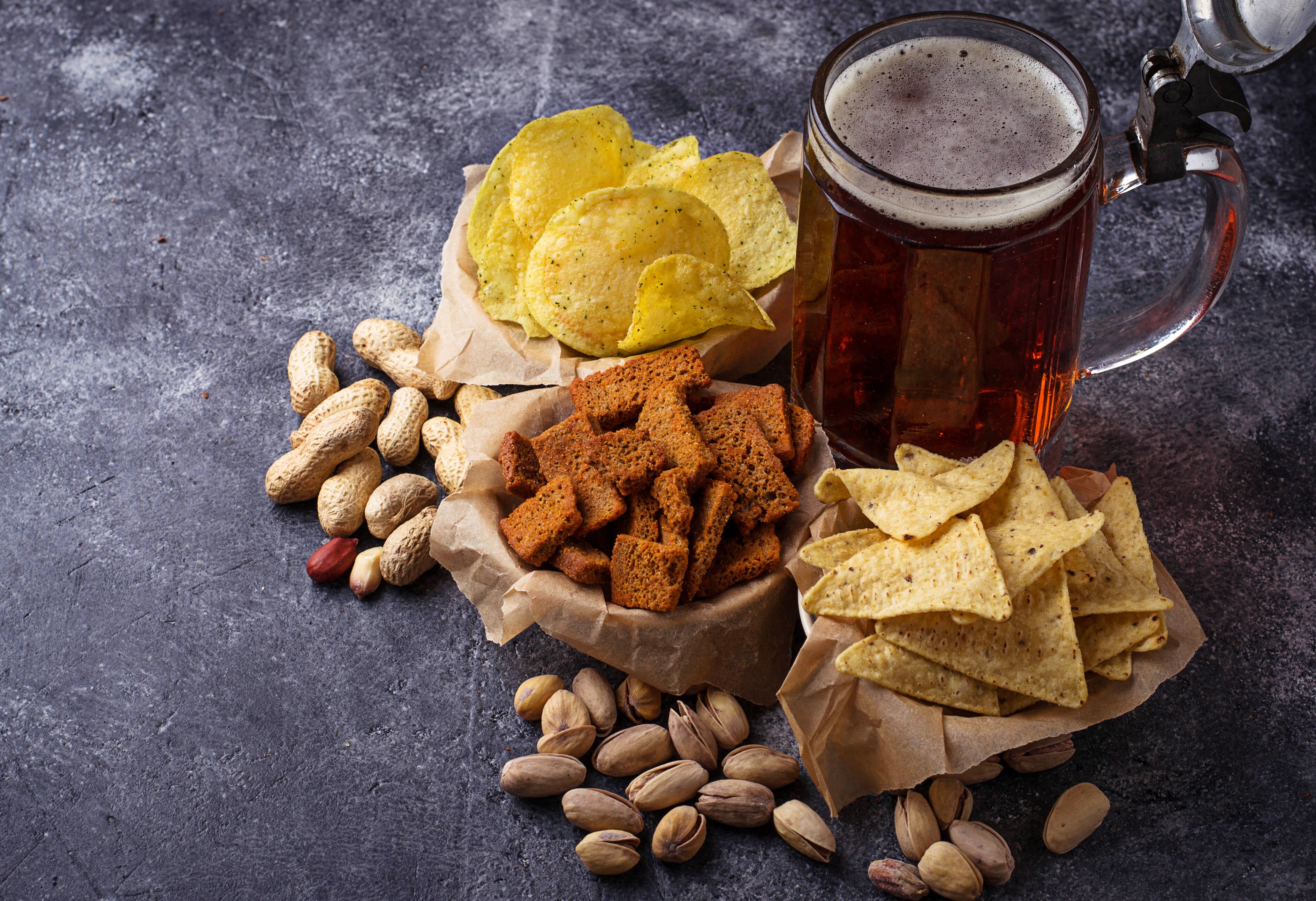
Is your packet of potato chips and chakna feeling lighter and costing more? Turns out its not just vegetables but snacks too are feeling the price heat. While domestic supply disruptions have pushed up the prices of winter veggies, global supply disruptions and import duty hikes closer home, are making palm oil—a key ingredient in packaged foods—more expensive.
Retail prices of palm oil have risen to the highest in over two years and continue to see an uptick. According to high frequency data by the department of consumer affairs, palm oil prices rose for the fifth straight month, coming in at Rs 130.5 per kg on an all-India average.
After reaching a four-year peak in November, potato prices too have continued to rise in December. As of December, potato prices have reached Rs 37.59 per kg, according to data from the Ministry of Consumer Affairs.
"We saw never before kind of prices in potatoes in November," said Manoj Verma, chief operating officer, at snack maker Bikaji Foods Interantional Ltd.
While we normally see fresh potato crop by early or mid November, this year saw a delayed crop that pushed up potato prices, he explained. Even as potato prices are already seeing some signs of softening, palm oil, that comprises a large cost for this category, also continues to see higher prices, Verma said. This has resulted in most companies undertaking price hikes.
Companies are absorbing part of the rise in cost, passing on part of the cost and resorting to de-grammage, he said. While Bikaji has raised prices by 2-3% so far, it will raise prices of products by another 2-3% in the next quarter, culminating in total price hikes of about 4-5%, Verma said.
For Bikaji, palm oil comprises about 28% of the costing, he said. Prices have gone up by over a fourth in less than an year, he said, adding that while the company was expecting prices to trend at levels closer to 110, it rose further after import duty hikes.
To address inflationary pressures in palm oil and safeguarding margins, Gopal Snacks Ltd., at its investor call for the last quarter, said that they implemented corrective measures in September. This included reducing grammage in the Rs 5 price point and Rs 10 price point, along with revising MRP for larger packs.
At the Rs 5 price point, regional players sell at cut-throat pricing, and with increase of palm oil prices, it will become unsustainable for them as well, Naveen Gupta, chief business officer at Gopal Snacks, had said in the earnings call.
"When we installed our capacity sometime two-four years back, at the Rs 5 price point, we were offering close to 30-35 grammage of products," Mukesh Shah, chief financial officer at Gopal Snacks had said in the call. "Now over a period of years, this 30-35 grammage has come down to 20-22 grammage."
The rise in raw material prices comes at a time when the macro economy is not in a good state, Varma said. Consumption in metros has slowed and is proving to be a challenge, he said. While jobs appear to be fewer in number, wage and salary hikes too haven't kept pace with inflation, hurting the consumption story.
This quarter and next quarter will not be great in terms of consumption, according to Verma's expectations. Still, things might be looking up with inflation showing signs of trending down.
Food and beverage inflation eased to 8.2% in November from 9.69% in October. Going forward, food inflation is likely to soften in the fourth quarter, with seasonal easing of vegetable prices and kharif harvest arrivals; and good soil moisture conditions along with comfortable reservoir levels auguring well for rabi production, the Reserve Bank of India had said during a media event post its latest MPC decision, projecting inflation at 4.5% in the January-March 2025 quarter.
For Varma, too, there is some relief from softening prices of moth dal—used as a base ingredient in several packaged snacks.

-
Getting To Work Costs Women More | The Reason Why

It is not just about women paying more than men. It is about women paying much more in cities than in villages.
-
AI Bias In Investing Cannot Be Eliminated, But It Can Be Governed
Framing is a particularly important example as identical financial information presented in terms of gains rather than losses can lead an LLM to reach a different assessment.
-
Joining The Dots | Dark Skies, Steady Diya: Why Hope Holds This Diwali
With war, a weak rupee and foreign outflows weighing on sentiment, policymakers at the NDTV World Summit and market veterans at NDTV Profit Ignite: Diwali Edition offered the same advice: stay invested and filter out the noise.
-
The Curious Case of Equitas Small Finance Bank And A CEO Who Quit For Stock
PN Vasudevan believes persistent investor concerns over a perceived conflict of interest had become a governance overhang on Equitas Small Finance Bank's stock, even as the lender improved profitability and asset quality.
-
Talking Points This Week: AI Cash Burn, A Tiger Comeback And An India That Still Finds Its Own Path
India is not immune to higher oil or tighter global liquidity, yet its earnings base is broader, its domestic policy levers are still available.
-
Foreign Investors Own Half Of HDFC Bank and ICICI Bank. An LTCG Cut Could Matter Most Here
Foreign portfolio investors have US$115 billion parked in HDFC Bank, ICICI Bank. If the government cuts long-term capital gains tax, Jefferies says returning foreign money could land here first.
-
'Never Seen This Level Of Negativity': Sandeep Tandon Says The Next Rally May Be Closer Than You Think
Veteran investor Sandeep Tandon says foreign selling is easing, large-caps are due a comeback and mid-caps are crowded, while he turns positive on gold, power and pharma this Diwali.
-
Indians Stay With Family, Not In Hotels | The Reason Why
India still lacks enough clean, reliable and affordable hotels for budget-conscious travellers.
-
The Economic Imperative: Analysing The Material Driving Force Behind India-Canada Strategic Reset
This economic complementarity is further reinforced by deep institutional investment ties and talent mobility, which form the bedrock of the bilateral framework.
-
Medicine Pricing: Where Must Profit Stop?
India must confront excessive margins, hidden incentives and regulatory gaps that threaten the integrity of medicine.










