US Tariffs Impact: Exporters Seek Urgent Fiscal, Policy Support To Tide Over Challenges
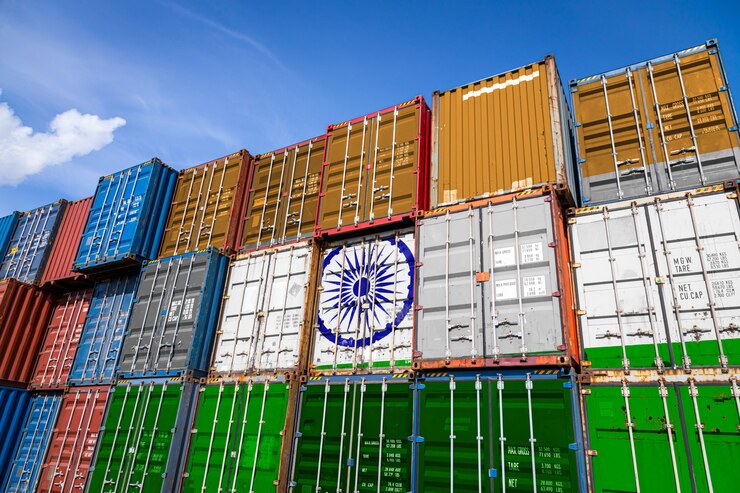
Indian exporters urged the government to extend fiscal and policy support to help mitigate the adverse impact of the steep 25% tariffs imposed by the United States, even as Union Commerce Minister Piyush Goyal assured them that India will not yield to pressure in the ongoing trade negotiations with Washington.
At interactions with industry leaders over the weekend, Goyal said the government was actively engaging with the US, but added that all negotiations would be conducted firmly, without compromising on "core national interests."
He acknowledged the stress exporters are under and said the government was considering steps to reduce manufacturing and transaction costs, including electricity, logistics, labour, and banking reforms, to help exporters regain competitiveness and protect jobs.
“We have also requested for some form of fiscal support, which the government will examine,” said Vijay Agarwal, Chairman of Texprocil. He added that exporters were invited to submit actionable suggestions under separate heads such as GST, banking, insurance, employment, energy, logistics, and export incentive schemes such as RoDTEP and RoSCTL (Rebate of State and Central Taxes and Levies).
Exporters across sectors also urged the government to launch the Rs 2,250-crore Export Promotion Mission, which has been in the works since February this year but hasn't been implemented yet.
Engineering exporters flagged key pending issues including the need for interest subvention, Market Access Initiative (MAI) dues, and clarity on RoDTEP benefits for the steel sector. “There is still no visibility on US tariffs coming down. We've also urged fast-tracking of FTAs with Chile, Peru, Mexico and the EU,” said Pankaj Chadha, Chairman of the Engineering Export Promotion Council (EEPC).
Government officials indicated that the negotiations with the US may take time, and in the interim, efforts will focus on reforms to strengthen the overall export ecosystem.

-
A New Samvat Wishlist: Inclusive Prosperity And Human Development

India has strengthened its economic foundations through infrastructure, digital access and enterprise. Its next growth chapter must deepen productivity, create better livelihoods and widen participation in prosperity.
-
Love, Sex Aur Dhokha: The Audacious Plot To Spy On Jensen Huang
A Taipei dinner, a Singapore chip buyer and a suspected Chinese asset: inside the alleged spy operation that got close to NVIDIA's Jensen Huang.
-
Ten Things I Learnt This Samvat
Patience can be a trap. Cheap stocks can stay cheap. Leverage can wipe you out. What did Samvat 2082 teach us? Niraj Shah writes on 10 lessons from the year gone by.
-
Talking Points This Week: Tech Nerves, FII Buying, And A Faraway Banking Shock
The global markets are not shining this Diwali. The exception in the large markets is, India.
-
Midterm Rally Lasted A Day. The Hard Reality Of A Divided US May Last Two Years | Opinion
Between a contested AI boom, a debt ceiling that arrives in 2027 and a president with every incentive to act alone, the next two years may prove more volatile than the first day's rally suggests.
-
Blue Wave Will Derail the AI Trade but Won't Dismantle the AI Era | Unhedged Position
The Democrats' sweep of the US Congress will see politics collide with economic forces both over the long and short term.
-
It's Time To Take The GST Council's Bet On Trust Global
Payment records can prove India's services exports, and clear, proportionate rules can bring foreign digital sellers into the tax net.
-
Opinion | India at 38: From Innovation Overperformer to Innovation Powerhouse
India now has 453 VC-backed deep science startups, 18 of them late-stage, after 117 percent growth since 2020. Laurus Labs, at USD 9.3 billion, is the most valuable deep science company in any middle-income economy outside China.
-
Navigating Energy Crossroads: S Jaishankar's Call For Diversified Supply Chains At G20 Ministerial Meeting
As geopolitical fault lines continue to test maritime trade routes and commodity flows, Jaishankar's message remains pertinent: true economic resilience requires open markets, protected transit lines, and a genuine commitment to multilateral cooperation rather than coercion.









