US Presidential Election's Outcome Could Intensify Challenges For Asia-Pacific Economies: Fitch
Higher trade barriers in the wake of the US elections could pose additional challenges for issuers across multiple credit sectors in Asia-Pacific, particularly if Chinese exports via third-party nations attract more attention, according to Fitch Ratings.
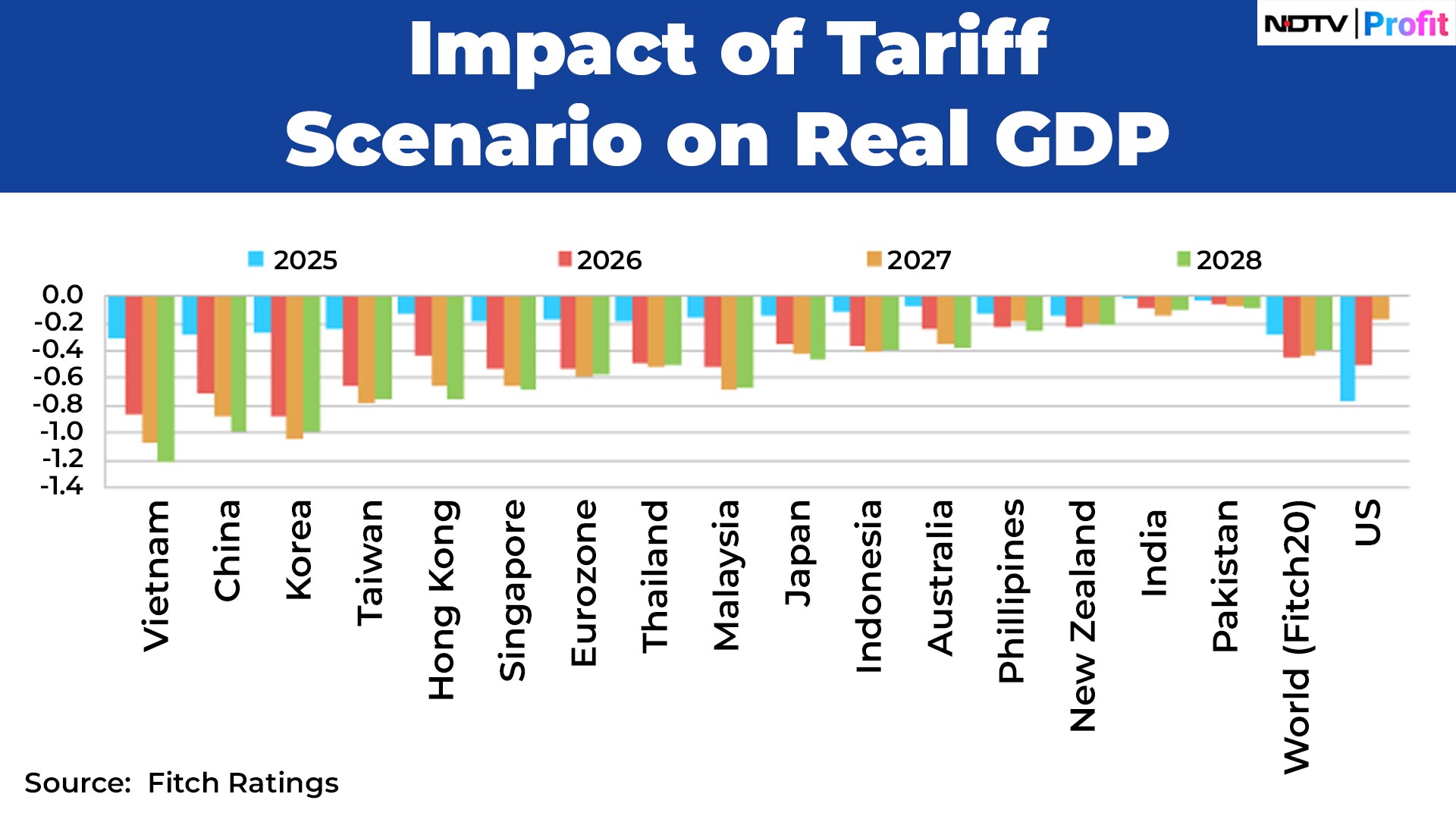
Heightened trade barriers could pose significant challenges, especially for countries reliant on exports to the US, with Vietnam identified as the most vulnerable, as per the latest Fitch Ratings report on the US presidential elections' impact on APAC. Other countries like Taiwan, Thailand, Hong Kong, Singapore, Malaysia, and South Korea also face considerable exposure, it said.
The report highlighted that sharp increases in US tariffs could adversely affect global economic growth, with particular pressure on APAC economies. If trade protectionism escalates, geopolitical tensions may rise, further straining credit profiles for some APAC sovereigns, it warned.
Weaker global growth prospects could lead to a downturn in macroeconomic conditions in the region, especially if China is disproportionately affected, the report stated.
While Trump's platform suggests support for baseline tariffs and reciprocal trade measures, specifics remain ambiguous. "A scenario featuring a 60% tariff on Chinese imports and a 10% across-the-board tariff could severely impact APAC exporters. Moreover, any retaliatory measures from US trading partners could exacerbate these challenges, particularly for technology hardware manufacturers," the report said.
The anticipated consequences of these tariff policies include increased inflationary pressures in the US and potential repercussions on global commodity markets. China, being a dominant player in energy metals and other critical materials, could see its exports disrupted, impacting global supply chains and prices in sectors like technology and automotive, it said.
India Will Be Relatively Unaffected
Fitch's analysis indicates that a significant uptick in tariffs could lead to lower real GDP growth in China, Korea, and Vietnam by at least 1% by 2028, compared to current forecasts. Hong Kong, Taiwan, Singapore and Malaysia also stand out as economies that would be significantly hit, it said.
"India, which is less export-oriented than many other Asian economies, would be relatively unaffected," the Fitch Ratings report said.
A stronger US dollar following tariff increases could burden Asian issuers with US dollar-denominated debt, complicating refinancing efforts and increasing financial strain. Additionally, supply chain disruptions may lead to higher production costs, delayed manufacturing, and investment uncertainties, further squeezing profit margins for firms operating in the region.
The outcome of the US elections could herald significant policy shifts, introducing new risks for APAC issuers amid an already volatile global economic landscape, the report said.

-
Signature Play: The Classic Cocktail Is Dead. Or Is It?

Classic cocktails are disappearing from India's cocktail menus. But they're still being ordered, taught to bartenders and borrowed from. So, who's really having the last drink?
-
A New Samvat Wishlist: Inclusive Prosperity And Human Development
India has strengthened its economic foundations through infrastructure, digital access and enterprise. Its next growth chapter must deepen productivity, create better livelihoods and widen participation in prosperity.
-
Love, Sex Aur Dhokha: The Audacious Plot To Spy On Jensen Huang
A Taipei dinner, a Singapore chip buyer and a suspected Chinese asset: inside the alleged spy operation that got close to NVIDIA's Jensen Huang.
-
Ten Things I Learnt This Samvat
Patience can be a trap. Cheap stocks can stay cheap. Leverage can wipe you out. What did Samvat 2082 teach us? Niraj Shah writes on 10 lessons from the year gone by.
-
Talking Points This Week: Tech Nerves, FII Buying, And A Faraway Banking Shock
The global markets are not shining this Diwali. The exception in the large markets is, India.
-
Midterm Rally Lasted A Day. The Hard Reality Of A Divided US May Last Two Years | Opinion
Between a contested AI boom, a debt ceiling that arrives in 2027 and a president with every incentive to act alone, the next two years may prove more volatile than the first day's rally suggests.
-
Blue Wave Will Derail the AI Trade but Won't Dismantle the AI Era | Unhedged Position
The Democrats' sweep of the US Congress will see politics collide with economic forces both over the long and short term.
-
It's Time To Take The GST Council's Bet On Trust Global
Payment records can prove India's services exports, and clear, proportionate rules can bring foreign digital sellers into the tax net.
-
Opinion | India at 38: From Innovation Overperformer to Innovation Powerhouse
India now has 453 VC-backed deep science startups, 18 of them late-stage, after 117 percent growth since 2020. Laurus Labs, at USD 9.3 billion, is the most valuable deep science company in any middle-income economy outside China.









