Budget 2019: Cess A Bit In Excess, And Other Tax Trends
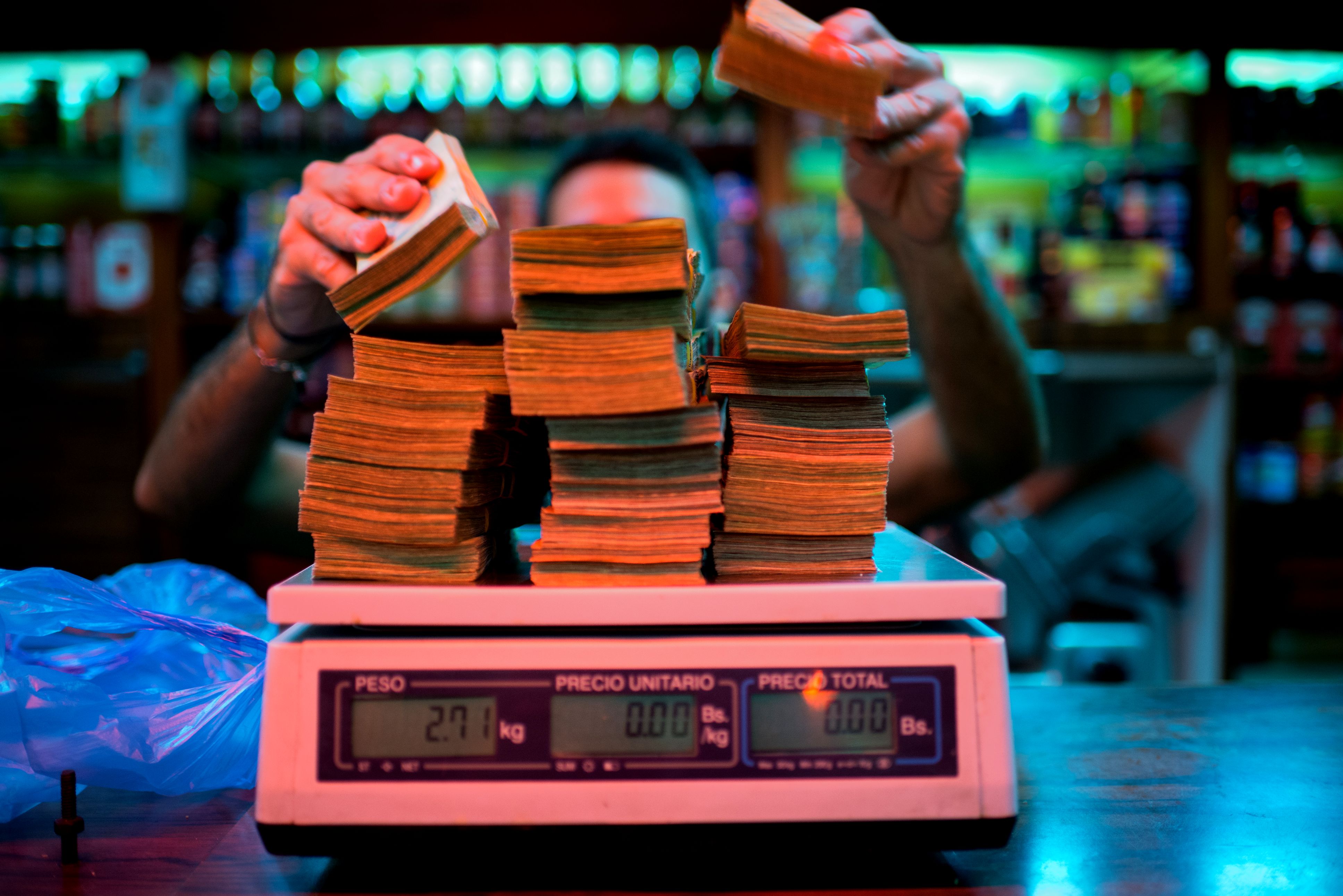
A tax on a tax may sound draconian but that has helped India boost its revenue.
Cess—additional taxes collected to fund various initiatives of the central government—have seen a sevenfold increase over the past decade, according to an analysis of union budget documents. Not entirely surprising for one of the fastest-growing economies because as incomes rise, more people enter the tax net.
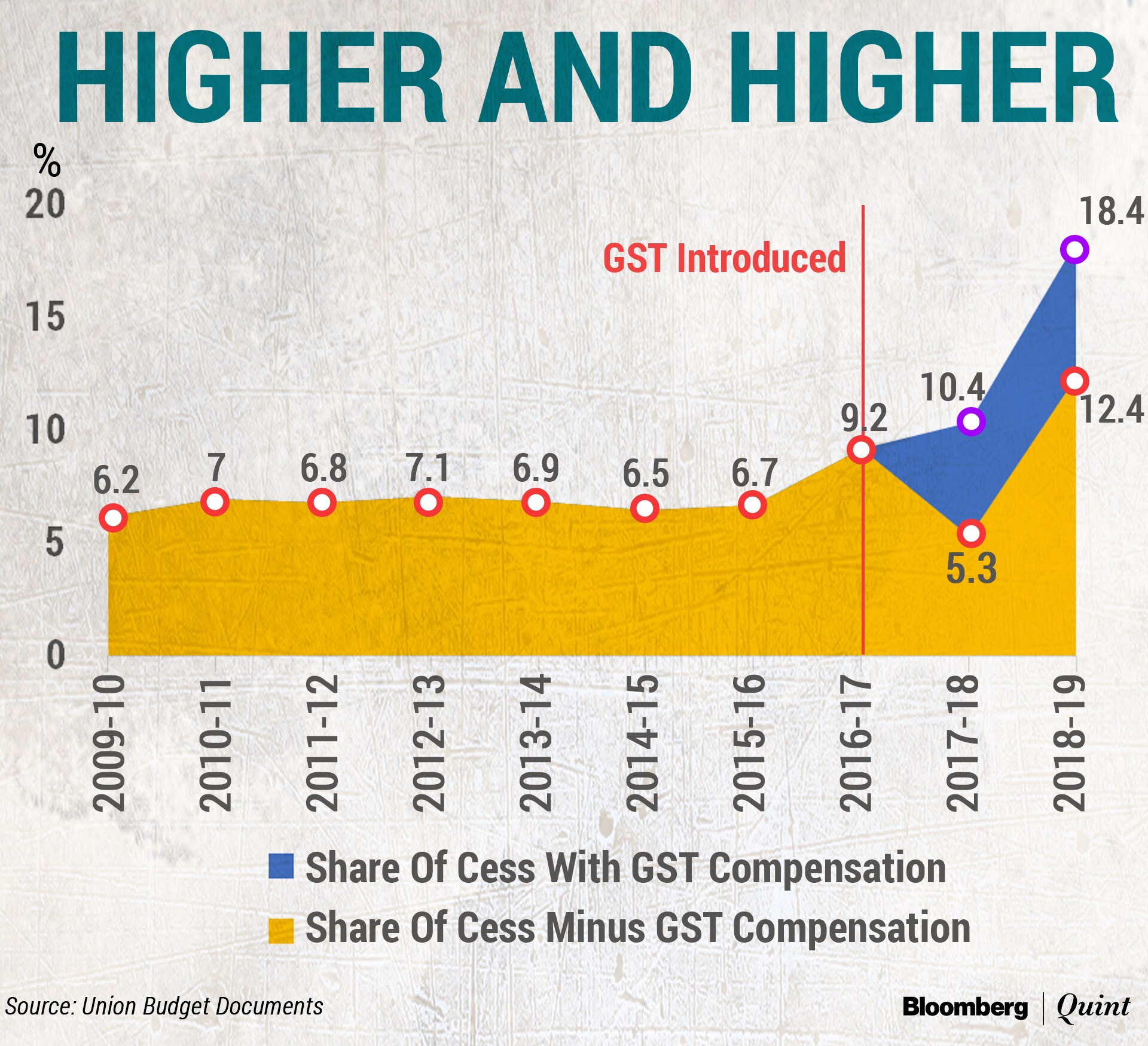
Still, a striking feature of the growth in tax revenue is how cess is now a much larger part of the bucket. In the 2018-19 revised budget figures, the government estimated Rs 1.83 lakh crore revenue from cess—12.4 percent of the net tax collections. Rewind 10 years, and the share was just 6 percent.
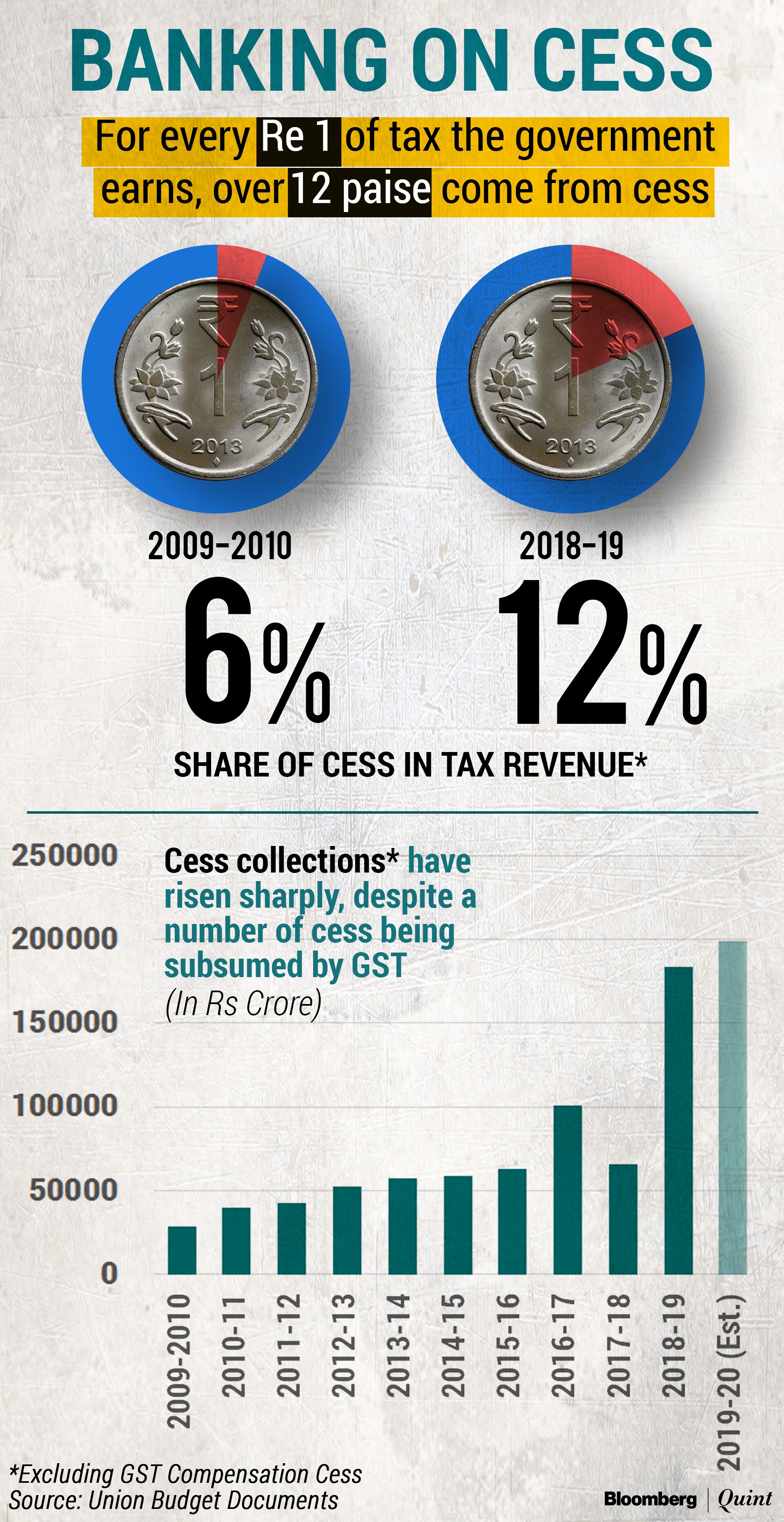
The cess collection has spiked despite excluding the GST compensation cess—levied to make for the loss of revenue of states, if any, till July 1, 2022 after they agreed to subsume local levies with the nationwide tax. If factored in, the share of cess in India's tax revenue has actually tripled over past decade. While the government abolished at least 16 such levies with the GST rollout, it continues to come out with new ones—the most recent one being to compensate Kerala for 2018 floods.
“Several erstwhile cesses were abolished when GST was introduced with the stated intention of not complicating the indirect tax structure. The introduction of any cess would alter the GST architecture and be contrary to the objective of tax simplification,” MS Mani, partner, Deloitte India, told BloombergQuint. “It is also necessary that we do not step back to the pre-GST situation of having over a dozen cesses levied by various states to defray the expenditure incurred in relation to various events.”
Agrees Pratik Jain of PwC India. “While the government has a right to levy cess in specific situations, from an industry standpoint it becomes complicated as they need to factor these while making I.T. changes, pricing and paperwork,” he said. “The quantum of revenue generated is usually not commensurate with the administration costs and discomfort that it causes to businesses.”
Besides, a report by the Comptroller and Auditor General of India had flagged that cess collected for a specific purpose was not being completely transferred.
Cess is frowned upon for another reason. The central government doesn't have to share it with states. “Empirical evidence suggests cess is not used for what it is meant for. If a cess is not deployed then what is its purpose?” Mani asked. “The reason, I believe, they love a cess is because they don't have to share it with the states.”
Corporate Tax Bonanza
The direct tax levied on the income of companies continues to drive growth of India's tax revenue.
Corporate taxes, which account for more than a third of nation's tax collections, have been growing at an average 10.75 percent annually over the past eight years. While corporate tax growth dipped between 2014 and 2017, it has since bounced back to double digits.
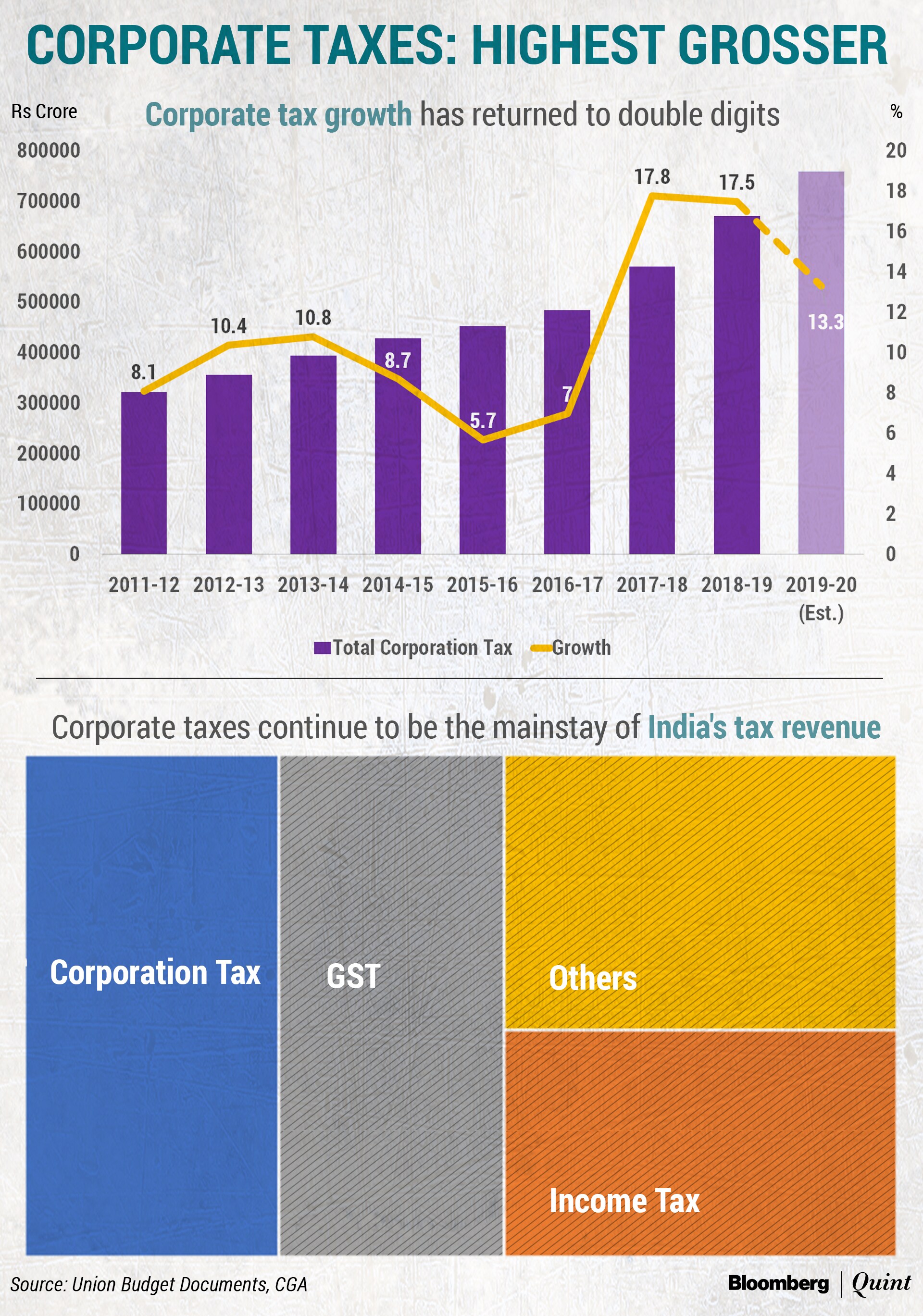
India Inc. has been demanding a corporate tax rate cut for a long time. In the 2017-18 budget, some burden was eased for companies with a turnover less than Rs 250 crore.
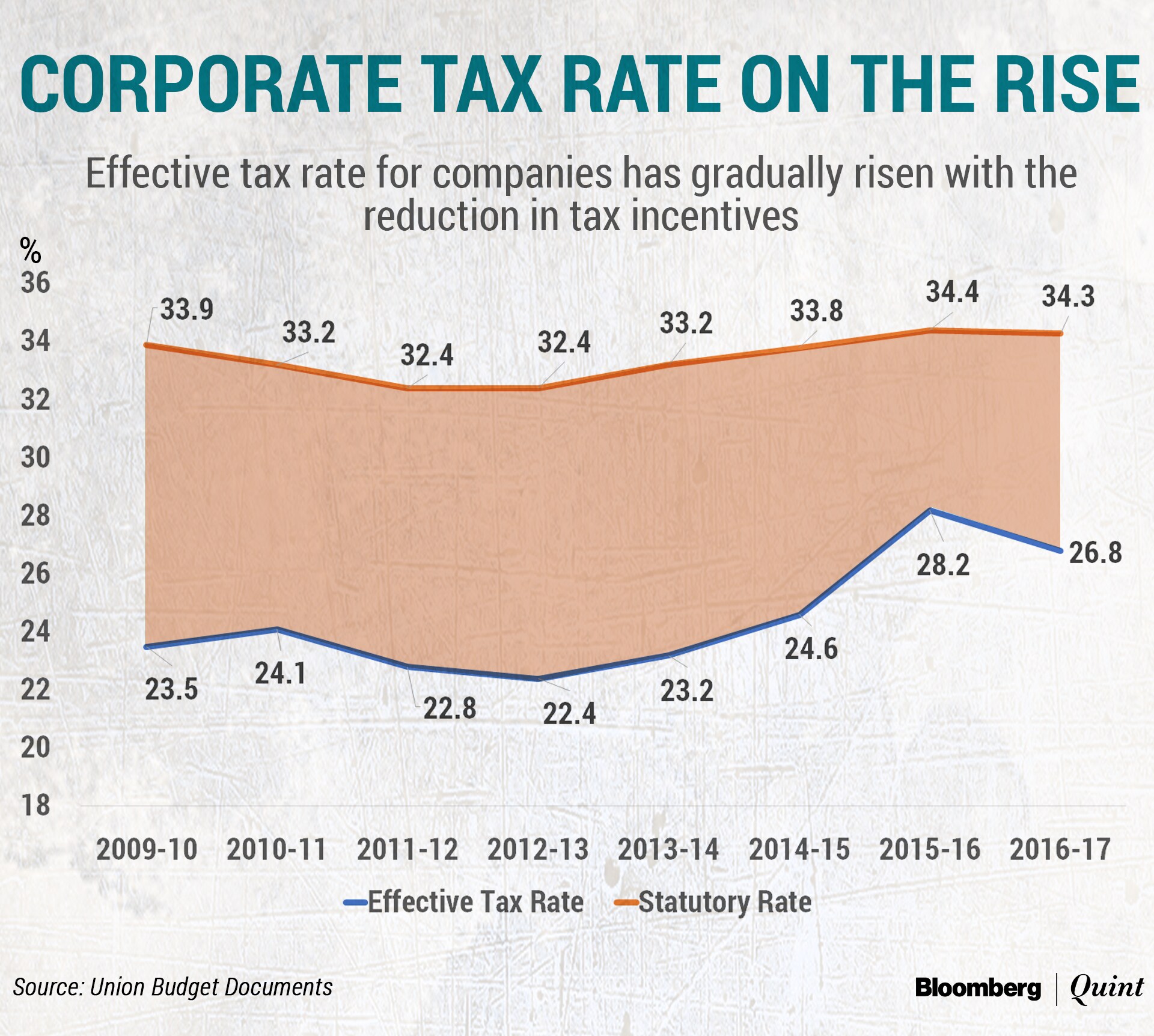
Despite calls for a rate cut, the effective tax rate has only gone up over the last two years. Mainly due to a cut in incentives available to companies.
The Tax Shortfall
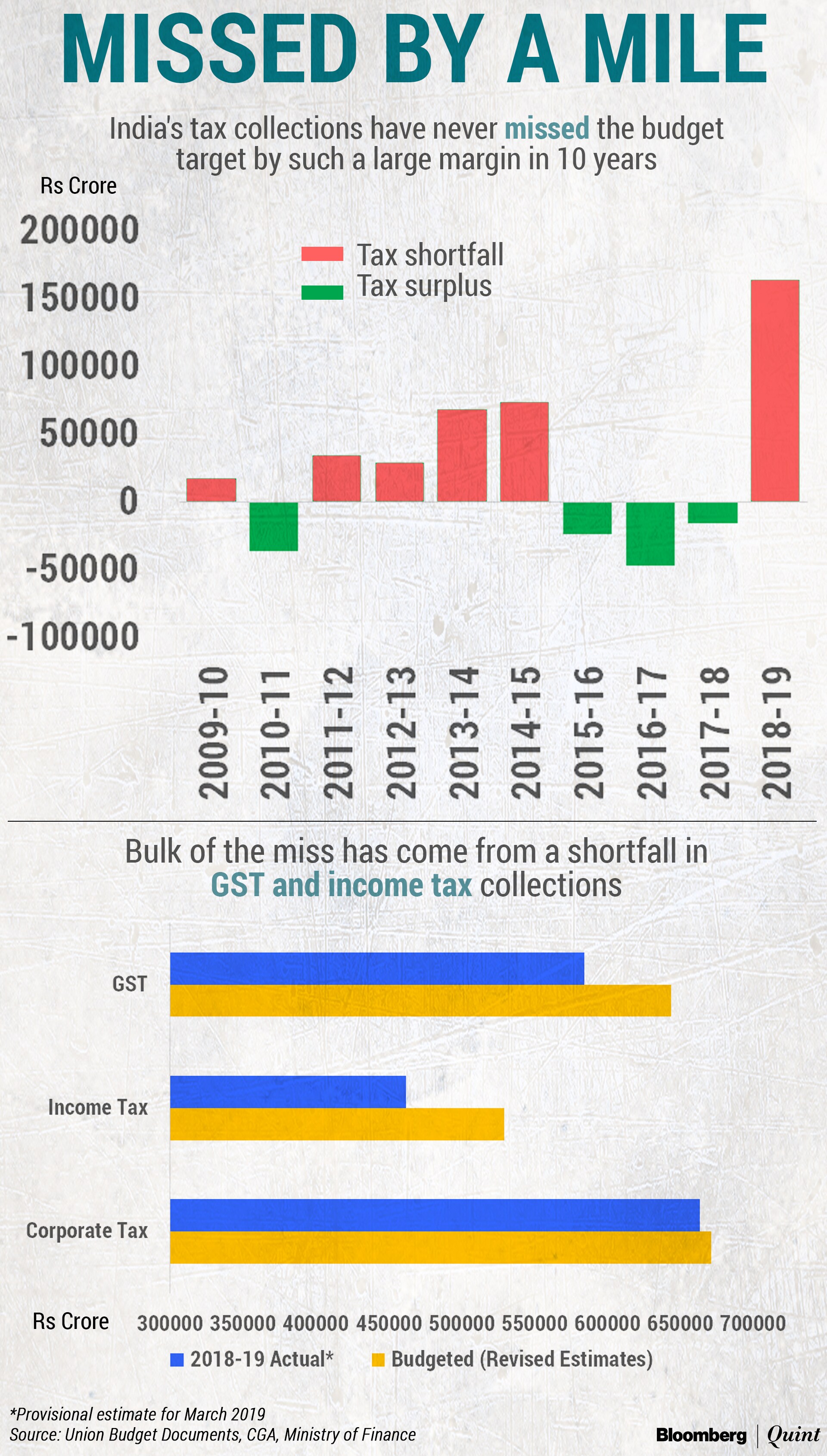
India's tax revenue is growing and the tax net is widening. Still, it missed its budgeted tax targets. In fact, the tax shortfall of Rs 1.6 lakh crore was the highest over the past decade.
While corporate taxes missed its target marginally, the shortfall in income tax and GST was significantly higher.
That hasn't deterred the government from setting ambitious target. The interim budget 2019-20 estimated a 13.5 percent increase in FY20. This rides on an expected 13.26 percent increase in corporation tax, an over 17 percent jump in income tax and an 18 percent increase in GST revenue over revised estimates for FY19.
Actual tax collections for 2018-19 turned out to be much weaker, necessitating scaling back of expenditure in rural and social sectors, among others, wrote Edelweiss Research in a recent note. “Besides, with tax revenue momentum much weaker, achieving a 13 percent uptick in FY20 could be challenging amid weak economic conditions. To that extent, the forthcoming budget might have to rejig the fiscal math.”
(Updates an earlier version to highlight cess collections excluding the GST compensation cess)

-
The Economic Imperative: Analysing The Material Driving Force Behind India-Canada Strategic Reset

This economic complementarity is further reinforced by deep institutional investment ties and talent mobility, which form the bedrock of the bilateral framework.
-
Medicine Pricing: Where Must Profit Stop?
India must confront excessive margins, hidden incentives and regulatory gaps that threaten the integrity of medicine.
-
Why Amazon And Flipkart Are Struggling To Beat Meesho In India's Smaller Cities
With 274 million users and lowest-cost logistics, Meesho is defending its value commerce crown against giants like Amazon and Flipkart.
-
High US Salaries, No Green Card Certainty: The Financial Calculation Facing Indian H-1B Families
The suspension of PERM processing at eight technology employers does not cancel existing H-1B visas. What it does is force a question many Indian families have been avoiding: is the US salary worth tying your career and family plans to one employer?
-
Swiggy vs Eternal: Food Delivery's Two Rivals Are No Longer In The Same Race
Eternal is building a private AI assistant, dark.ai. Swiggy is still working out how to make Instamart pay, with an operating loss of Rs 895 crore in the July-September quarter while Blinkit stayed profitable.
-
Where You Live Shapes How You Get To Work | The Reason Why
Two-wheelers are the most popular way to get to work in India, accounting for nearly 43% of workplace commutes.
-
Unhedged Position: Can India See An Indonesia-Style Time Correction?
The Nifty is trading below levels it first clocked in 2024. Is there, then, as I have suggested in the headline, potential that the current time correction drags on painfully for the next three-five, even ten years?
-
Navigating Friction And Energy Realities: An Analysis Of Marco Rubio's October Visit To India
Occurring at a critical juncture marked by stalled trade negotiations and escalating geopolitical pressures over global energy supplies, the visit offers a profound window into modern US-India relations.
-
India Exports Capital. Why Not Export Trusteeship?
The big question, then, is whether India can build an institution that global borrowers, investors, banks, and lawyers can trust, even without an Indian connection.
-
France's Economy & Politics Are In Crisis | The Reason Why
Let's look at how the French economy and politics evolved under Nicolas Sarkozy, Franois Hollande and Emmanuel Macron.










