The Confusion GST Notification Has Caused, And Possible Remedies
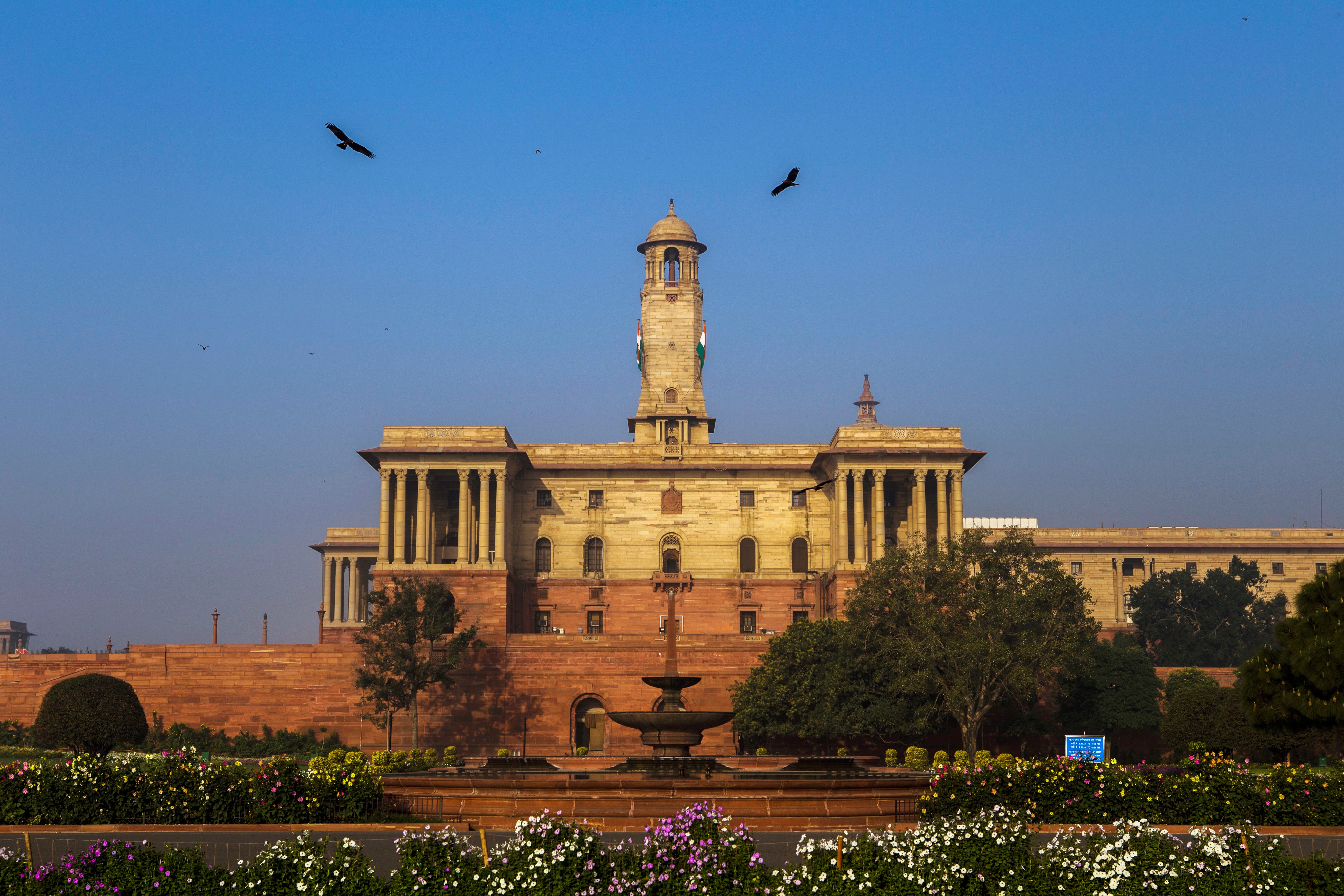
Even as the government races against time to implement the Goods and Services Tax by April 1, 2017, the finance ministry is grappling with the unintended consequences of its September 16 notification.
The notification gives effect to Section 17 of the Constitutional Amendment Act on GST that allows for central excise to be imposed only on petroleum products, natural gas, aviation turbine fuel and tobacco products. Consequently, this takes away the government's ability to levy central excise on other goods effective September 16 as GST, which will subsume central excise duty eventually, will come into effect only on April 1 2017.
Entry 84 in the seventh schedule of the union list under the Constitution empowers the Central government to levy excise duty on specified goods.
The government was quick to take note of the this consequence. Revenue Secretary Hasmukh Adhia tweeted on Sunday that, “Some questions are raised about the notifications issued recently in respect of GST constitutional amendment. We will be clarifying the correct legal position tomorrow and we will issue amendments if the need be.”
2/2 We will be clarifying the correct legal position tomorrow and we will issue amendments if the need be.
September 18, 2016“Obviously, it is not the intention of the government that central taxes should not be applicable till implementation of GST,” Pratik Jain, a partner at PwC told BloombergQuint in an email interview. “While there is a view that under Entry 97 of union list, the levy can perhaps survive, it is not free from doubt,” Jain added.
Entry 97 under the Constitution, referred to by Jain, allows the Central government to levy taxes not mentioned in List II or List III. This implies that the government could continue to levy central excise duty even after the damage that Section 17 may have caused.
The ramifications of this notification are not limited to just central levies but may impact state levies as well. The notification does away with Entry 54 of the state list in the seventh schedule to the Constitution that empowers state governments to levy Value Added Tax (VAT).
The notification can have far reaching consequences and implications, Mahesh Jaising, a partner at BMR Advisors said in an email interview.
By substitution of the entries, the taxing powers in respect of excise duty, sales tax (with an exception of few goods) and service tax are technically curtailed. Technically, one can state that all these levies are not valid since the last couple of days.Mahesh Jaising, Partner, BMR AdvisorsBut Jain points out that section 19 of the Act may salvage the situation for States.
Section 19 says that if there is anything inconsistent between the Act and any of the state laws, the state laws can still survive for one year . So there is a view that even after amendment (by the notification), states can continue to impose existing taxes (such as VAT, entry tax etc). However, this section does not apply to central taxes.”Pratik Jain, Partner, PwCThere is another option that the government may wish to explore.
As a way out, government can approach the President under section 20 of the Constitutional Amendment Act and seek his intervention in withdrawing/modifying the notification that has created this unwanted controversy.”Pratik Jain, Partner, PwCSection 20 of the Act gives the President of India the power to remove difficulties.
As promised by the Revenue Secretary, government's legal position on the matter will be put out soon but until then, the confusion is likely to persist.
(After this story was published, Revenue Secretary Hasmukh Adhia tweeted that, “Department of Revenue examined the validity and implications of notfns (notifications) dated 10th and 16th September with respect to existing taxes imposed by the Union and states. There is no legal infirmity in these notifications. Law dept has confirmed that there appears to be no legal requirement to issue any further clarification or notification in this regard.”)

-
We May Need Another Tukaram Mundhe To Fight Air Pollution | The Reason Why

Developers may install basic measures such as sprinklers and green nets, resume work, and continue violating rules when this equipment stops working.
-
Extracting Value From Battery Scrap Could Be Challenging For India | The Reason Why
A discarded lithium-ion battery still contains valuable materials such as lithium, nickel and cobalt. These can be recovered and reused. When such batteries are crushed and shredded, they produce a dark powder called black mass.
-
One El Nino, India Can Handle. Two Could Break The Granary
India's grain stocks can absorb one bad year, but a second El Nino could drain the buffer in two to three years, economists say.
-
India's Troika Of Good Luck | Joining The Dots
As Jensen Huang's exit drags Nvidia down, a cooling AI trade and resilient earnings have revived investor interest in India. A likely RBI rate hike looms.
-
Talking Points This Week: Leadership Shock At Nvidia, Earnings Strength, And The Fog Over Hormuz
The Anthropic IPO pricing and first trading day, Nvidia's upcoming earnings, and any fresh signals from Iran will set the tone for the following week.
-
Signature Play: The Classic Cocktail Is Dead. Or Is It?
Classic cocktails are disappearing from India's cocktail menus. But they're still being ordered, taught to bartenders and borrowed from. So, who's really having the last drink?
-
A New Samvat Wishlist: Inclusive Prosperity And Human Development
India has strengthened its economic foundations through infrastructure, digital access and enterprise. Its next growth chapter must deepen productivity, create better livelihoods and widen participation in prosperity.
-
Love, Sex Aur Dhokha: The Audacious Plot To Spy On Jensen Huang
A Taipei dinner, a Singapore chip buyer and a suspected Chinese asset: inside the alleged spy operation that got close to NVIDIA's Jensen Huang.
-
Ten Things I Learnt This Samvat
Patience can be a trap. Cheap stocks can stay cheap. Leverage can wipe you out. What did Samvat 2082 teach us? Niraj Shah writes on 10 lessons from the year gone by.
-
Talking Points This Week: Tech Nerves, FII Buying, And A Faraway Banking Shock
The global markets are not shining this Diwali. The exception in the large markets is, India.









