RBI Says EY Firm SR Batliboi & Co Won’t Get Approval For Bank Audits For A Year
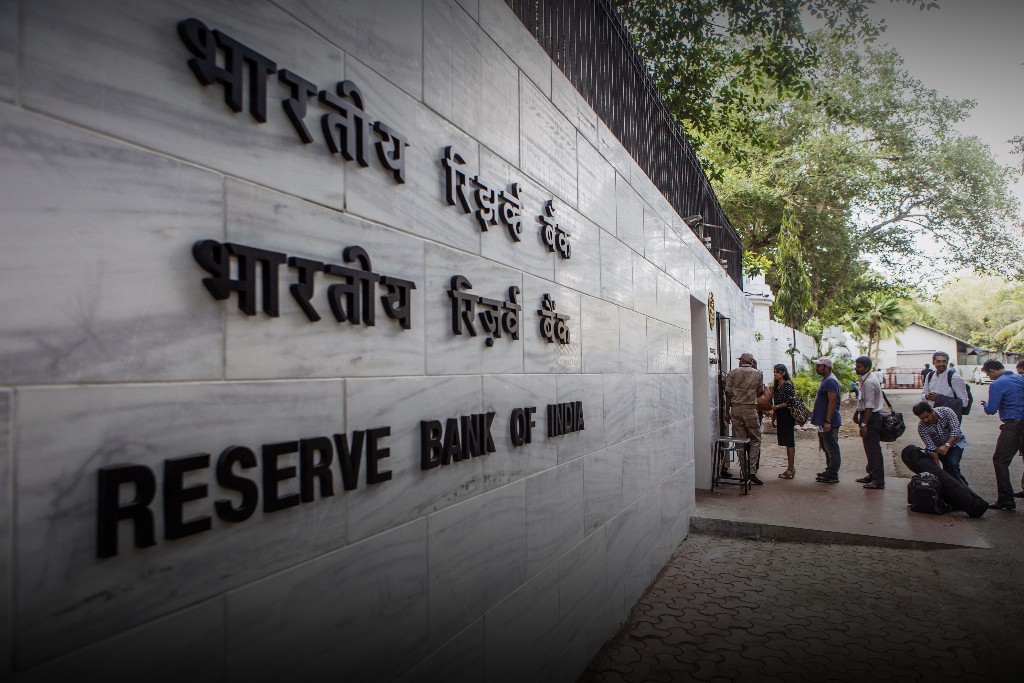
The Reserve Bank of India will not approve SR Batliboi & Co LLP, a local chartered accountancy firm affiliated with EY, for carrying out statutory audits of commercial banks for a year starting April 1.
The regulator found certain lapses in an audit assignment carried out by the firm, the RBI said in a statement on its website. The action stems from the special enforcement framework the regulator announced in June 2018 to take action against firms found to be lacking in their duties as statutory auditors. The regulator said it has informed the Institute of Chartered Accountants of India of this action against the audit firm.
SR Batliboi is the statutory auditor to private lenders HDFC Bank Ltd., IndusInd Bank Ltd., Kotak Mahindra Bank Ltd., Bandhan Bank Ltd. and The South Indian Bank Ltd.
The brief RBI statement doesn't clarify if the central bank has barred SR Batliboi from conducting ongoing audit assignments or only from taking up fresh assignments. Here's what it said:
In terms of the aforesaid enforcement action framework, on account of the lapses identified in a statutory audit assignment carried out by the firm, M/s S.R.Batliboi & Co. LLP, Chartered Accountants (ICAI Firm Registration Number: 301003E), it has been decided that RBI will not approve the said firm for carrying out statutory audit assignments in commercial banks for one year starting from April 1, 2019.RBI Statement
SR Batliboi, in a statement to BloombergQuint, declined to comment at this stage saying, “We have learnt of this development from the press release issued by RBI and are not aware of further details.”
According to the guidelines released last year, the regulator said it will determine the seriousness of a lapse before pronouncing punitive action. It could range from a cautionary notice if lapses are not found to be material enough, to auditors being barred from taking assignments for other banks if the violations are material. If the central bank finds evidence of a serious lapse or violation, it will issue a show-cause notice and seek a response within 15 days.
The auditor in question will be given a chance to present its case and be allowed an oral hearing, if needed. The RBI can then pronounce its order.
The RBI had noted five types of lapses that it would consider before approving any punitive action. These included lapses in auditing assignment that lead to misstatement of financial results of a bank, wrong certification, wrong information in the long-form audit report, misconduct and any other violations.
While the regulator mentioned lapses in an audit assignment of SR Batliboi, it didn't specify whether that led to misstatement of financial results by any bank.
“This definitely sets the precedence, there is no doubt about it,” Amarjit Chopra, former president of the Institute of Chartered Accountants of India, told BloombergQuint. While he agreed that action must be taken against any firm which fails to perform, Chopra said he had mixed feelings about the development.
“I want to raise a much bigger issue... This bank has been inspected even in earlier years. Year after year after the auditors have completed their work and banks have been inspected by the RBI's inspectors,” he said. “What action will the RBI take against its own inspectors who failed to detect these deficiencies in the earlier years.”
Another issue is the lack of a single system of disciplinary mechanism for audit firms, Chopra said.
“My mixed feeling comes from how many disciplinary mechanisms the auditory firms should be facing. SEBI in one of the cases debarred PwC, now RBI is doing here, National Financial Reporting Authority is there, NCLT might also do in certain cases, etc. That's what worries me,” he said.

-
Why Swapping Your Old Gold Can Trigger A Rs 5 Lakh Tax Bill, And How You Can Avoid It Legally

Swapping old gold for new is taxed as a sale and a fresh purchase. Getting your own gold remade can cut most of that bill, though it has its own costs.
-
The AI Trade is Done. The Real Opportunity for Investors Starts in 2027 | Unhedged Position
As pureplay AI stocks plunge and circular, capex-led financing unwinds, 2027 is set to be a year of reckoning for AI companies. Yet the bust clears the way for a better opportunity for investors in 2027 -- shifting the spotlight from AI builders to the companies using AI.
-
Leadership As Mission: Why The Age Of AI Demands More Human Leadership
Debjani Ghosh examines how AI is changing leadership, arguing that its success must be measured by its impact on people and the accountability of those guiding its use.
-
We May Need Another Tukaram Mundhe To Fight Air Pollution | The Reason Why
Developers may install basic measures such as sprinklers and green nets, resume work, and continue violating rules when this equipment stops working.
-
Extracting Value From Battery Scrap Could Be Challenging For India | The Reason Why
A discarded lithium-ion battery still contains valuable materials such as lithium, nickel and cobalt. These can be recovered and reused. When such batteries are crushed and shredded, they produce a dark powder called black mass.
-
One El Nino, India Can Handle. Two Could Break The Granary
India's grain stocks can absorb one bad year, but a second El Nino could drain the buffer in two to three years, economists say.
-
India's Troika Of Good Luck | Joining The Dots
As Jensen Huang's exit drags Nvidia down, a cooling AI trade and resilient earnings have revived investor interest in India. A likely RBI rate hike looms.
-
Talking Points This Week: Leadership Shock At Nvidia, Earnings Strength, And The Fog Over Hormuz
The Anthropic IPO pricing and first trading day, Nvidia's upcoming earnings, and any fresh signals from Iran will set the tone for the following week.
-
Signature Play: The Classic Cocktail Is Dead. Or Is It?
Classic cocktails are disappearing from India's cocktail menus. But they're still being ordered, taught to bartenders and borrowed from. So, who's really having the last drink?
-
A New Samvat Wishlist: Inclusive Prosperity And Human Development
India has strengthened its economic foundations through infrastructure, digital access and enterprise. Its next growth chapter must deepen productivity, create better livelihoods and widen participation in prosperity.









