RBI Proposes Deposit Framework To Avoid SVB-Like Troubles In India
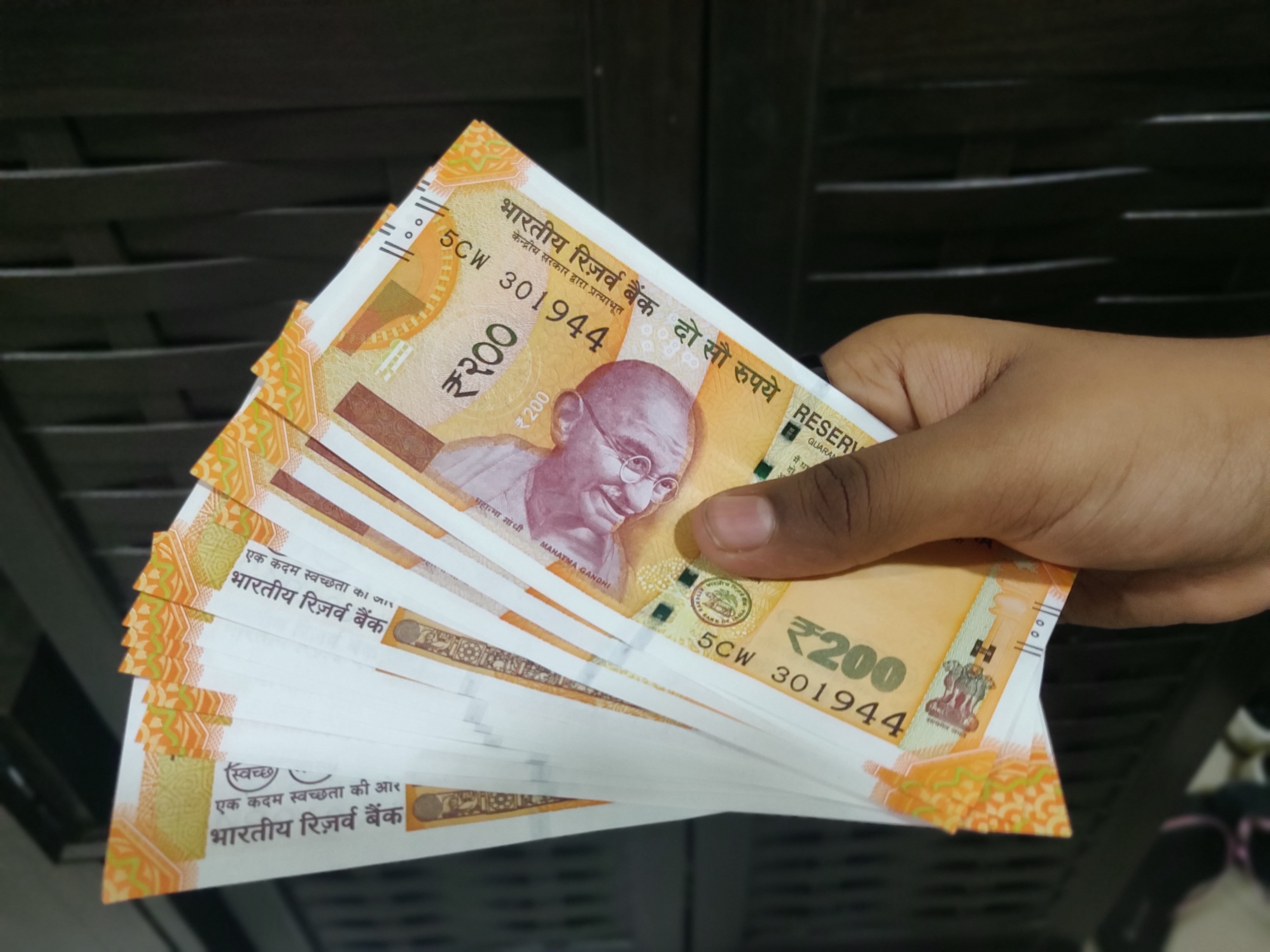
Reserve Bank of India on Thursday proposed a draft circular for better liquidity management at Indian banks. The framework suggests a new set of rules which will require banks to make special arrangements to avoid excessive run-off of retail deposits.
"Banking has undergone rapid transformation in recent years. While increased usage of technology has facilitated the ability to make instantaneous bank transfers and withdrawals, it has also led to a concomitant increase in risks, requiring proactive management," the central bank said.
The proposed framework requires banks to make do the following to avoid excessive deposit withdrawals:
For deposits enabled with internet and mobile banking services, the regulator has proposed an additional run-off factor of 5%.
Stable retail deposits enabled with internet and mobile banking shall have 10% run-off factor and less stable deposits shall have 15% run-off factor.
Unsecured wholesale funding provided by non-financial small business customers shall be treated in accordance with the treatment of retail deposits.
Government securities under level-1 high quality liquid assets shall be valued at an amount not greater than their current market value
Such securities shall be adjusted for applicable haircuts in line with the margin requirements under the Liquidity Adjustment Facility and Marginal Standing Facility.
The rules, if formalised will likely make the liquidity situation even tighter for the Indian banking system, analysts say. The draft proposes to implement these norms from April 1, 2025.
In March 2023, US-based Silicon Valley Bank faced severe liquidity issues, after a large number of its depositors withdrew their funds from the bank. This immediately led to the bank's collapse and a lack of trust in the banking system. It also started a chain of events which led to multiple other banks facing turbulence.
What's The Impact?
According to rating agency ICRA, the liquidity coverage ratio at banks is at 130% as March 2024. If formalised, the RBI guidelines could lead to the liquidity cover ratio dipping by 10-15%.
A 10% decline in reported LCR may additionally pose a requirement of additional HQLAs of almost Rs 4 lakh crore at system level, ICRA estimates.
"We expect tighter LCR norms to have following implications for the banks: (1) Increase in SLR demand and a reduction loan-to-deposit ratio; (2) Lower asset yield; (3) Increase in retail deposit competition and deposit interest rates; (4) Lower NIMs; and (5) Lower G-Sec bond yields," IIFL Securities said in a note.
Bernstein Research believes that banks with higher share of retail deposits (state-owned banks) could see a greater impact on LCR compared to wholesale funded banks.
"Given the limited number of commercial banks in the country vs. other markets, this appears as an excessive measure, especially when the increased runoff factor for retail deposits is not offset by any changes," Bernstein said in its note on Thursday.

-
The Curious Case of Equitas Small Finance Bank And A CEO Who Quit For Stock

PN Vasudevan believes persistent investor concerns over a perceived conflict of interest had become a governance overhang on Equitas Small Finance Bank's stock, even as the lender improved profitability and asset quality.
-
Talking Points This Week: AI Cash Burn, A Tiger Comeback And An India That Still Finds Its Own Path
India is not immune to higher oil or tighter global liquidity, yet its earnings base is broader, its domestic policy levers are still available.
-
Foreign Investors Own Half Of HDFC Bank and ICICI Bank. An LTCG Cut Could Matter Most Here
Foreign portfolio investors have US$115 billion parked in HDFC Bank, ICICI Bank. If the government cuts long-term capital gains tax, Jefferies says returning foreign money could land here first.
-
'Never Seen This Level Of Negativity': Sandeep Tandon Says The Next Rally May Be Closer Than You Think
Veteran investor Sandeep Tandon says foreign selling is easing, large-caps are due a comeback and mid-caps are crowded, while he turns positive on gold, power and pharma this Diwali.
-
Indians Stay With Family, Not In Hotels | The Reason Why
India still lacks enough clean, reliable and affordable hotels for budget-conscious travellers.
-
The Economic Imperative: Analysing The Material Driving Force Behind India-Canada Strategic Reset
This economic complementarity is further reinforced by deep institutional investment ties and talent mobility, which form the bedrock of the bilateral framework.
-
Medicine Pricing: Where Must Profit Stop?
India must confront excessive margins, hidden incentives and regulatory gaps that threaten the integrity of medicine.
-
Why Amazon And Flipkart Are Struggling To Beat Meesho In India's Smaller Cities
With 274 million users and lowest-cost logistics, Meesho is defending its value commerce crown against giants like Amazon and Flipkart.
-
High US Salaries, No Green Card Certainty: The Financial Calculation Facing Indian H-1B Families
The suspension of PERM processing at eight technology employers does not cancel existing H-1B visas. What it does is force a question many Indian families have been avoiding: is the US salary worth tying your career and family plans to one employer?
-
Swiggy vs Eternal: Food Delivery's Two Rivals Are No Longer In The Same Race
Eternal is building a private AI assistant, dark.ai. Swiggy is still working out how to make Instamart pay, with an operating loss of Rs 895 crore in the July-September quarter while Blinkit stayed profitable.










