RBI Measures Enough To Take Liquidity To Surplus? Economists Think So
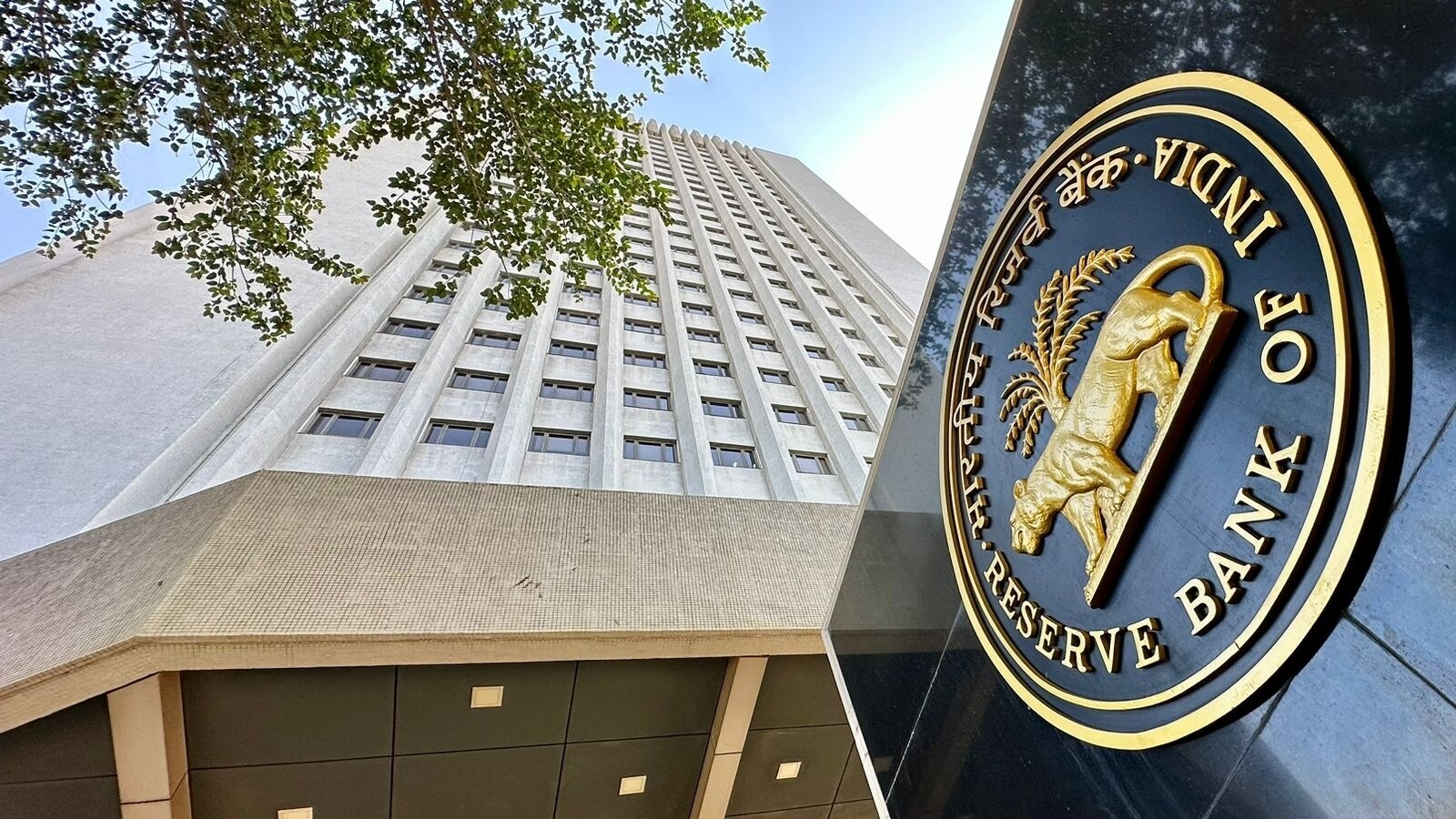
More measures by the central bank are expected to boost liquidity in the system and improve transmission, with some economists saying that the recent measures might also push liquidity to a surplus.
The RBI will conduct OMO purchases of government securities worth Rs 1 lakh crore in two tranches of Rs 50,000 crore each, it stated in a release on Wednesday evening. The first auction will be held on March 12 and the second by March 18. The central bank has also decided to hold a dollar-rupee buy/sell swap auction of $10 billion for 36 months to be held on March 24.
The measures are expected to infuse additional liquidity of Rs 1.87 lakh crore. These measures will not only address frictional liquidity tightness in March but also the issue of durable liquidity which has tightened of late, according to Teresa John, economist at Nirmal Bang Institutional Equities.
"While liquidity will likely be neutral by end March, it may move to surplus as we enter into FY26 unless we continue to see dollar sales by the RBI," John said. Transmission is also likely to improve significantly, she said, adding that corporate bond spreads had tightened despite rate cuts.
The Monetary Policy Committee had cut rates by 25 basis points at its meeting in February, preceding which, the central bank had announced measures to infuse liquidity.
Samiran Chakraborty, chief economist at Citi, estimates that durable liquidity would now move towards Rs 1.2 lakh crore surplus by end-March. Including outstanding VRRs, liquidity surplus could be about Rs 3 lakh crore, he estimated.
There might not be immediate need for the RBI to infuse more liquidity via OMOs or FX swap, and VRR extension in early-April will depend on Balance of Payments dynamics, he said.
Radhika Rao, senior economist at DBS Bank, also said that the latest measures are expected to lift core liquidity to a surplus — suggesting that the overall policy stance is clearly accommodative, with an eye on facilitating policy transmission.
These steps are pre-emptive ahead of a seasonal squeeze in March, being a fiscal end, besides other contributing factors including FX market intervention, tax outflows, volatility in capital flows and currency in circulation, she explained.
At a more structural level, the move for the centre to disburse funds to states and other agencies at the time of need rather than in advance has also added to the tightness. Concerted action, which includes tranches of OMOs, VRR auctions and FX swaps besides a CRR reduction in December, have added more than Rs 4 lakh crore to the domestic banking system so far, she added.
The liquidity balance had been in deficit since December 2024, registering the widest gulf in January, and thereafter moderated to below Rs 2 lakh crore last month, and further to Rs 30,000 crore this week.
Further Rate Cuts On The Anvil
Dovish MPC minutes, downside risk to growth from trade wars, likely below 4% February CPI inflation, frontloaded macro prudential easing and liquidity infusion support the view of at least two 25 basis points rate cuts in April and June, Chakraborty said.
John also expects cumulative rate cuts of 75 basis points in this cycle. There is a good chance that RBI will move the stance to ‘accommodative' if additional liquidity infusion measures are announced, she said.
There is still a case for a CRR cut, according to market participants. While CRR was normalised to pre-Covid levels, RBI still has the room to reduce CRR by another 50 bps to provide another Rs 1 lakh crore worth of liquidity into the system, according to a trader who spoke on the condition of anonymity.
The expectation is that the market is not sanguine that the RBI will waste their ammunition by conducting a CRR cut right away, but they will keep the liquidity situation clear and reduce volatility by conducting these OMO purchases and long-term dollar-rupee buy/sell swaps, the trader said.

-
Foreign Investors Own Half Of HDFC Bank and ICICI Bank. An LTCG Cut Could Matter Most Here

Foreign portfolio investors have US$115 billion parked in HDFC Bank, ICICI Bank. If the government cuts long-term capital gains tax, Jefferies says returning foreign money could land here first.
-
'Never Seen This Level Of Negativity': Sandeep Tandon Says The Next Rally May Be Closer Than You Think
Veteran investor Sandeep Tandon says foreign selling is easing, large-caps are due a comeback and mid-caps are crowded, while he turns positive on gold, power and pharma this Diwali.
-
Indians Stay With Family, Not In Hotels | The Reason Why
India still lacks enough clean, reliable and affordable hotels for budget-conscious travellers.
-
The Economic Imperative: Analysing The Material Driving Force Behind India-Canada Strategic Reset
This economic complementarity is further reinforced by deep institutional investment ties and talent mobility, which form the bedrock of the bilateral framework.
-
Medicine Pricing: Where Must Profit Stop?
India must confront excessive margins, hidden incentives and regulatory gaps that threaten the integrity of medicine.
-
Why Amazon And Flipkart Are Struggling To Beat Meesho In India's Smaller Cities
With 274 million users and lowest-cost logistics, Meesho is defending its value commerce crown against giants like Amazon and Flipkart.
-
High US Salaries, No Green Card Certainty: The Financial Calculation Facing Indian H-1B Families
The suspension of PERM processing at eight technology employers does not cancel existing H-1B visas. What it does is force a question many Indian families have been avoiding: is the US salary worth tying your career and family plans to one employer?
-
Swiggy vs Eternal: Food Delivery's Two Rivals Are No Longer In The Same Race
Eternal is building a private AI assistant, dark.ai. Swiggy is still working out how to make Instamart pay, with an operating loss of Rs 895 crore in the July-September quarter while Blinkit stayed profitable.
-
Where You Live Shapes How You Get To Work | The Reason Why
Two-wheelers are the most popular way to get to work in India, accounting for nearly 43% of workplace commutes.
-
Unhedged Position: Can India See An Indonesia-Style Time Correction?
The Nifty is trading below levels it first clocked in 2024. Is there, then, as I have suggested in the headline, potential that the current time correction drags on painfully for the next three-five, even ten years?










