RBI Fully Aware Of The Vulnerabilities In NBFC Sector, Says Shaktikanta Das
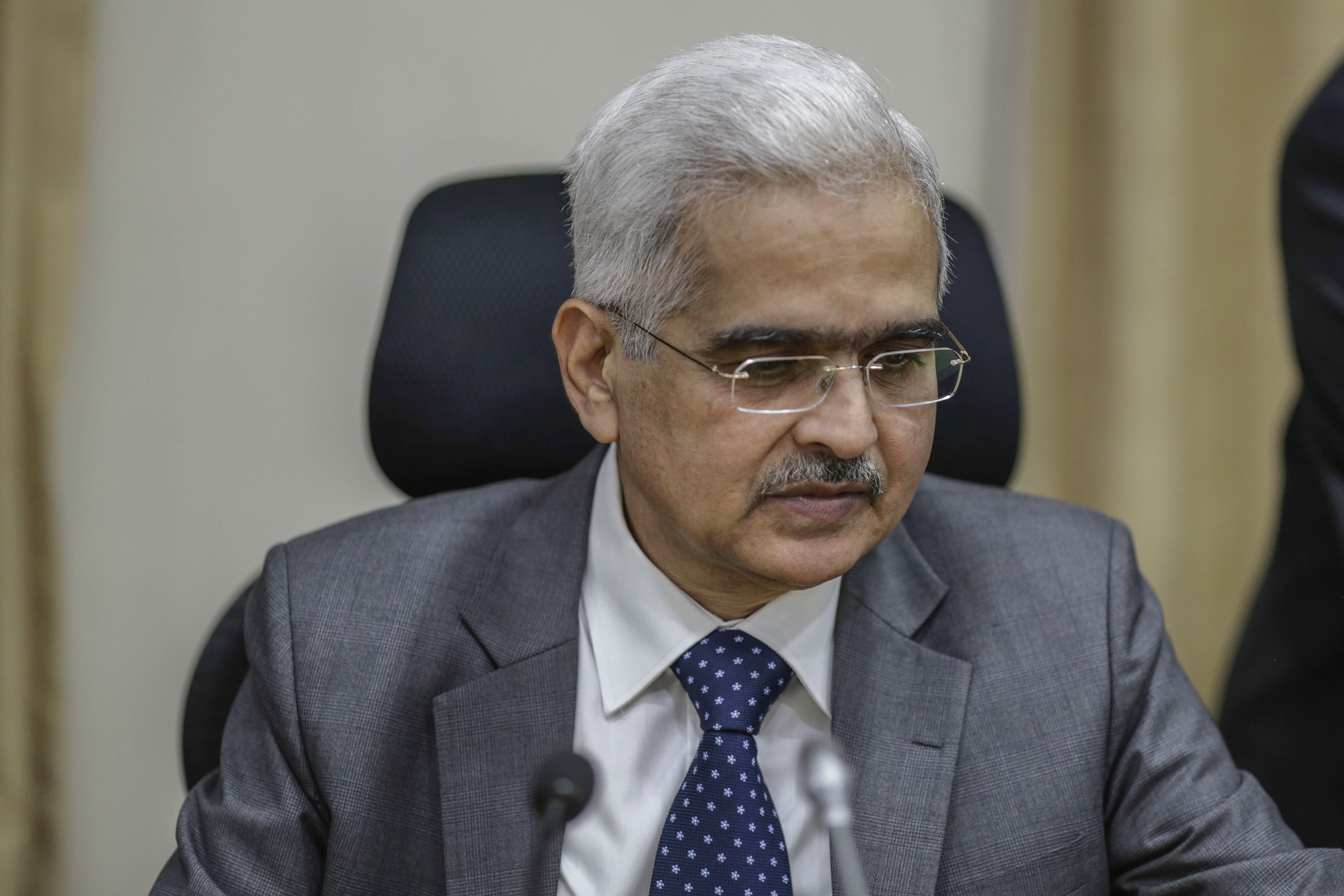
Reserve Bank of India Governor Shaktikanta Das on Thursday said the regulator is fully cognizant of the situation across non-bank lenders and is closely monitoring the 50 largest companies that represent 75 percent of the sector.
The comment comes against the backdrop of continued nervousness about the health of non-bank finance companies since the collapse of Infrastructure Leasing and Financial Services (IL&FS) last year. While the RBI has not yielded to calls for an asset quality review, Governor Das said that the regulator is keeping close watch.
“We are, wherever required, making a deep dive in to their books, their balance sheet and other numbers. I can say with some amount of confidence that we have a fairly good idea of where the vulnerabilities lie, which are the NBFCs which are vulnerable and we are monitoring very intensively,” Das told reporters after announcing the Monetary Policy Committee's decision on benchmark rates.
The RBI, however, doesn't just stop with monitoring these vulnerabilities, he said, adding the management and promoters of these NBFCs are asked to report to the RBI at periodic intervals where discussions are held about the companies' current status.
“We clearly tell them about our expectations and the steps they should undertake to strengthen and get over the problems,” he said.
The RBI is also closely monitoring the liquidity position of NBFCs to ensure that they have adequate cover for their liquidity requirements over the next three months. The banking regulator will not hesitate to act wherever necessary to ensure that no large or systemically important NBFC collapses.
Last month, the RBI had superseded the board of Dewan Housing Finance Corporation Ltd. and appointed an administrator to turn around the home financier under the amended Insolvency and Bankruptcy Code. The case has been admitted by the National Company Law Tribunal and the administrator is in the process of creating the committee of creditors, which will decide on the resolution plan.
Commenting on the regulator's decision to be the one to refer DHFL for insolvency rather than the company's creditors, Governor Das said the RBI has the most information to be able to make a credible judgement on the solvency position of a financial company.
Amid continued nervousness, a number of NBFCs have found it difficult to raise fresh funding. NBFC sanctions dropped for a second straight quarter in the July-September period.
Das said the banking regulator had taken several steps to ensure that banks continue to lend to these companies. In November, bank credit to NBFCs rose 26.5 percent year-on-year, he said. “The better performing NBFCs are able to access funds from the market at pre-IL&FS rates. The market today is differentiating between the good and the not-so-good NBFCs,” Das said.
Related Coverage:

-
The Economic Imperative: Analysing The Material Driving Force Behind India-Canada Strategic Reset

This economic complementarity is further reinforced by deep institutional investment ties and talent mobility, which form the bedrock of the bilateral framework.
-
Medicine Pricing: Where Must Profit Stop?
India must confront excessive margins, hidden incentives and regulatory gaps that threaten the integrity of medicine.
-
Why Amazon And Flipkart Are Struggling To Beat Meesho In India's Smaller Cities
With 274 million users and lowest-cost logistics, Meesho is defending its value commerce crown against giants like Amazon and Flipkart.
-
High US Salaries, No Green Card Certainty: The Financial Calculation Facing Indian H-1B Families
The suspension of PERM processing at eight technology employers does not cancel existing H-1B visas. What it does is force a question many Indian families have been avoiding: is the US salary worth tying your career and family plans to one employer?
-
Swiggy vs Eternal: Food Delivery's Two Rivals Are No Longer In The Same Race
Eternal is building a private AI assistant, dark.ai. Swiggy is still working out how to make Instamart pay, with an operating loss of Rs 895 crore in the July-September quarter while Blinkit stayed profitable.
-
Where You Live Shapes How You Get To Work | The Reason Why
Two-wheelers are the most popular way to get to work in India, accounting for nearly 43% of workplace commutes.
-
Unhedged Position: Can India See An Indonesia-Style Time Correction?
The Nifty is trading below levels it first clocked in 2024. Is there, then, as I have suggested in the headline, potential that the current time correction drags on painfully for the next three-five, even ten years?
-
Navigating Friction And Energy Realities: An Analysis Of Marco Rubio's October Visit To India
Occurring at a critical juncture marked by stalled trade negotiations and escalating geopolitical pressures over global energy supplies, the visit offers a profound window into modern US-India relations.
-
India Exports Capital. Why Not Export Trusteeship?
The big question, then, is whether India can build an institution that global borrowers, investors, banks, and lawyers can trust, even without an Indian connection.
-
France's Economy & Politics Are In Crisis | The Reason Why
Let's look at how the French economy and politics evolved under Nicolas Sarkozy, Franois Hollande and Emmanuel Macron.










