Privatise Airports And Reap The Profit, Says Kotak Institutional Equities
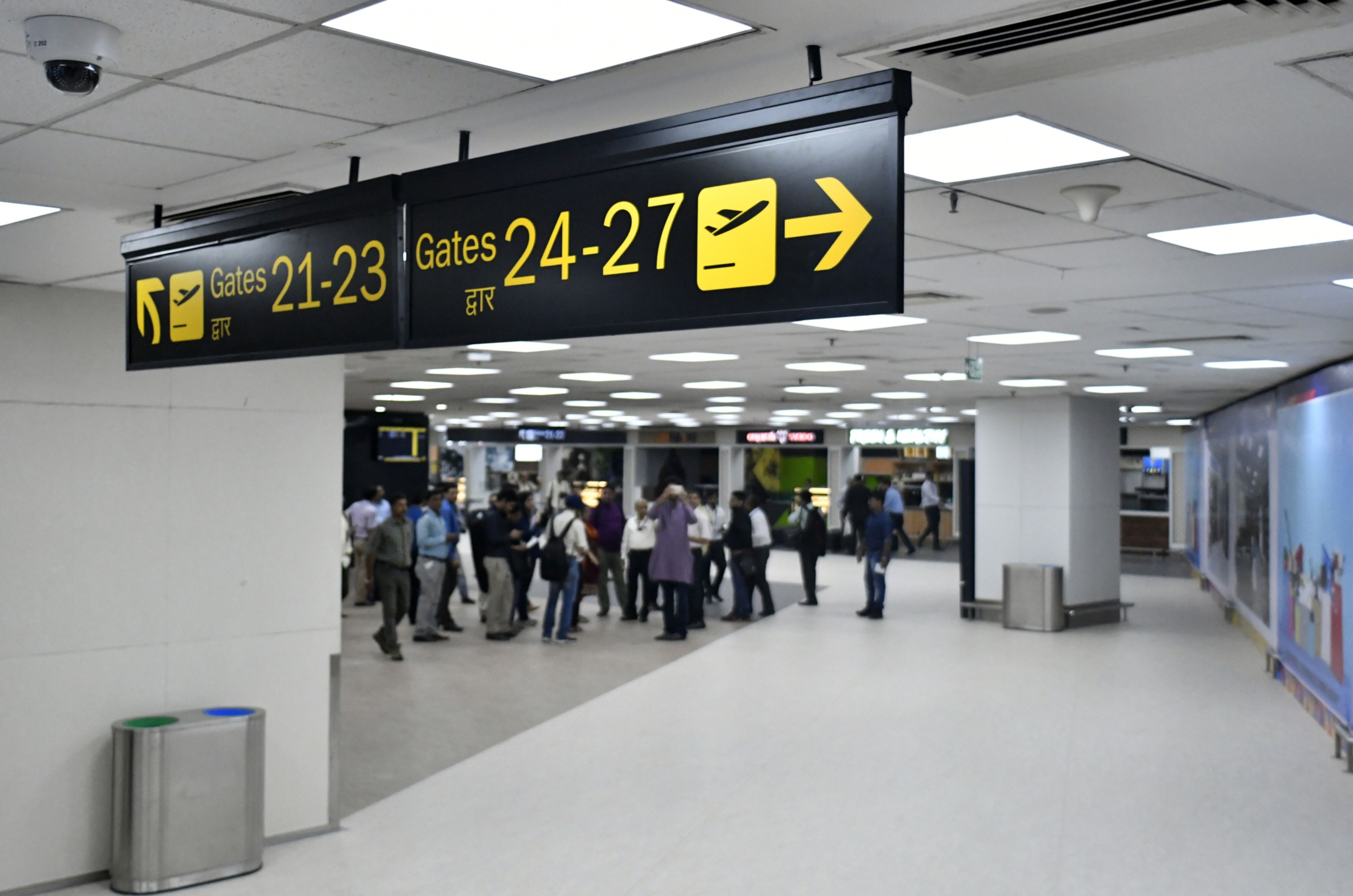
Now is the right time for the government to privatise airports and benefit from increased profits, according to a report by Kotak Institutional Equities.
Privatisation of airports owned by the Airports Authority of India, which manages 137 airports across the nation, will not only allow monetisation of its past investments but also fund capex, the report said.
AAI can monetise up to 80 percent of its investments for over $1 billion and that can then be used to fund a “meaningful part” of the planned $3.5-billion capex over the five years, the report said. “Privatisation would also help grow the non-aero revenues of AAI's portfolio from its low base,” it said.
Aiding Capex Growth
AAI's passenger volumes grew at 18 percent compound annual growth rate over a past few years, yielding a 90 percent capacity utilisation as of fiscal year 2018, the report said, adding that the pace of capex has been below its own expectation over such period. This, however, needs to increase and privatisation may be the way to do it, it said.

AAI airports, according to the report, are not utilising passengers spending power. The private sector can aim to add value in the area, it said. Half of the revenue of the five privatised airports comes from non-aero spending by passengers, according to data showed in the report. The figure stands at 29 percent for the other airports that AAI manages.

Favourable Past Experience
Investments in airports have proven to be beneficial for both private operators and AAI, the report said. Over the past few years, the net debt for their aggregate portfolio has come down, it said.

The net debt for the five privatised airports has reduced by Rs 5,000 crore between FY14 and FY18 despite an aggregate capex of Rs 9,500 crore in the period, it said. “AAI has actually benefited from the airport lease revenues from Mumbai and Delhi airports and has a net cash position since FY2015.”
Long-Term Attraction
Strong growth in passenger traffic for the past few years has turned several loss-making airports currently managed by the Airports Authority of India either to report profits or aim to achieve that in the next five years, the report said. “If individual airports grow at 80/50 percent of historical CAGR over the next five-10 years, we may see several airports entering the four million plus passenger handled range. At such quantum, such airports would be generating meaningful profit.”
A Business Better Than Airlines
Airports have benefitted from steady growth of passenger traffic, the report said, adding that it helped them move ahead volume thresholds and reap the benefits of economies of scale and overtime, non-aeronautical revenues contribute to the cash flows of the airports. “Unlike airlines, airports have had a much stable trajectory of financials.”
Citing an example of the U.S., the report said that air travel has grown at 2 times the pace of the country's gross domestic product growth over the past four decades. The air travel volumes in India grew three times the GDP growth over FY 2014-19.

-
The Economic Imperative: Analysing The Material Driving Force Behind India-Canada Strategic Reset

This economic complementarity is further reinforced by deep institutional investment ties and talent mobility, which form the bedrock of the bilateral framework.
-
Medicine Pricing: Where Must Profit Stop?
India must confront excessive margins, hidden incentives and regulatory gaps that threaten the integrity of medicine.
-
Why Amazon And Flipkart Are Struggling To Beat Meesho In India's Smaller Cities
With 274 million users and lowest-cost logistics, Meesho is defending its value commerce crown against giants like Amazon and Flipkart.
-
High US Salaries, No Green Card Certainty: The Financial Calculation Facing Indian H-1B Families
The suspension of PERM processing at eight technology employers does not cancel existing H-1B visas. What it does is force a question many Indian families have been avoiding: is the US salary worth tying your career and family plans to one employer?
-
Swiggy vs Eternal: Food Delivery's Two Rivals Are No Longer In The Same Race
Eternal is building a private AI assistant, dark.ai. Swiggy is still working out how to make Instamart pay, with an operating loss of Rs 895 crore in the July-September quarter while Blinkit stayed profitable.
-
Where You Live Shapes How You Get To Work | The Reason Why
Two-wheelers are the most popular way to get to work in India, accounting for nearly 43% of workplace commutes.
-
Unhedged Position: Can India See An Indonesia-Style Time Correction?
The Nifty is trading below levels it first clocked in 2024. Is there, then, as I have suggested in the headline, potential that the current time correction drags on painfully for the next three-five, even ten years?
-
Navigating Friction And Energy Realities: An Analysis Of Marco Rubio's October Visit To India
Occurring at a critical juncture marked by stalled trade negotiations and escalating geopolitical pressures over global energy supplies, the visit offers a profound window into modern US-India relations.
-
India Exports Capital. Why Not Export Trusteeship?
The big question, then, is whether India can build an institution that global borrowers, investors, banks, and lawyers can trust, even without an Indian connection.
-
France's Economy & Politics Are In Crisis | The Reason Why
Let's look at how the French economy and politics evolved under Nicolas Sarkozy, Franois Hollande and Emmanuel Macron.










