Our Silent Protest Is Tearing The Government’s Eardrums: Maratha Agitation Organiser
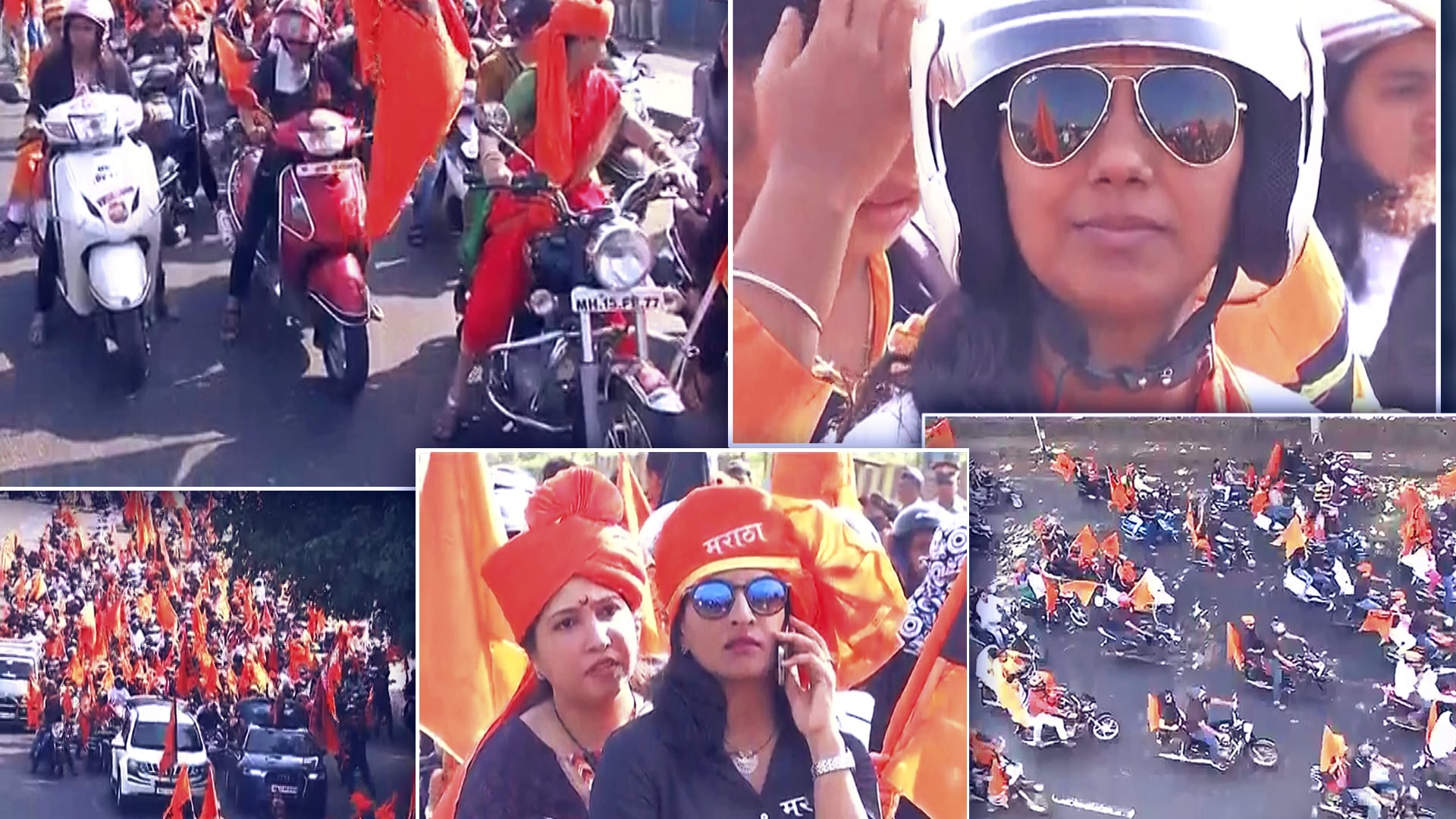
If you were out for a morning walk on November 6 in South and Central Mumbai, chances are you would have seen a motorcade of thousands of Royal Enfield bikes led by high-end SUVs waving saffron flags along the way. If you did indeed see (and not hear) this spectacle and were wondering what it was all about, then you've witnessed what seems to be one of the largest silent protests by a single community in India.
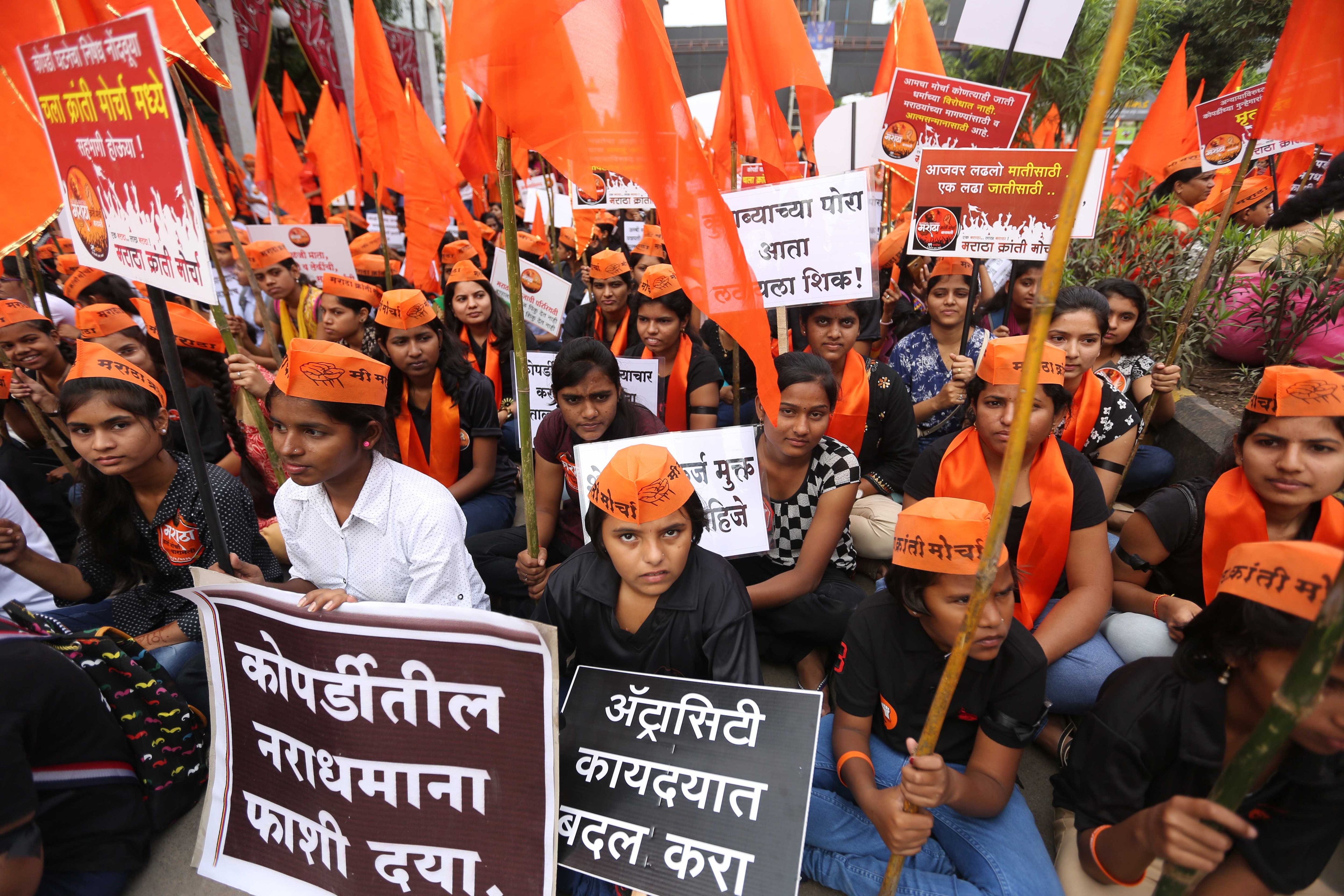
Over the last four months, members of the Maratha community have been taking out similar silent marches in various cities and towns across Maharashtra. This is no ordinary protest. The organisers of the Maratha agitation, the Maratha Kranti Morcha claim it is leaderless, agrarian and most of all, apolitical.
And they take pride in their ability to galvanise thousands of people to come out on the streets and protest peacefully.
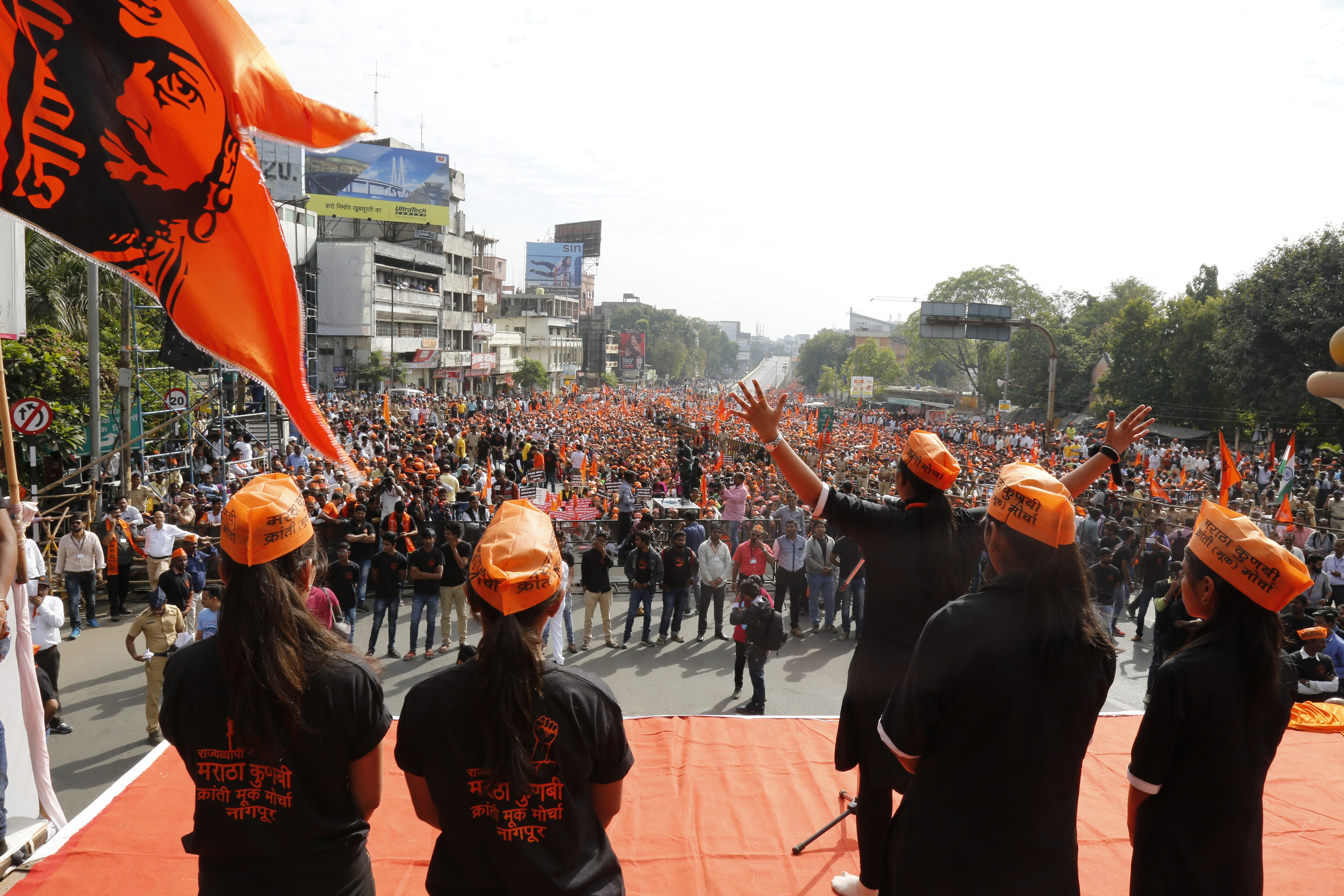
The Marathas, one of the most influential communities in Maharashtra, account for nearly a third of the state's population. It's the same group of people which the government perhaps hopes to appease by building the Shivaji Memorial – the world's tallest statue off the coast of Mumbai. Chhatrapati Shivaji Maharaj was the founder of the Maratha empire and is a much revered warrior king till date.
Why Are They Protesting?
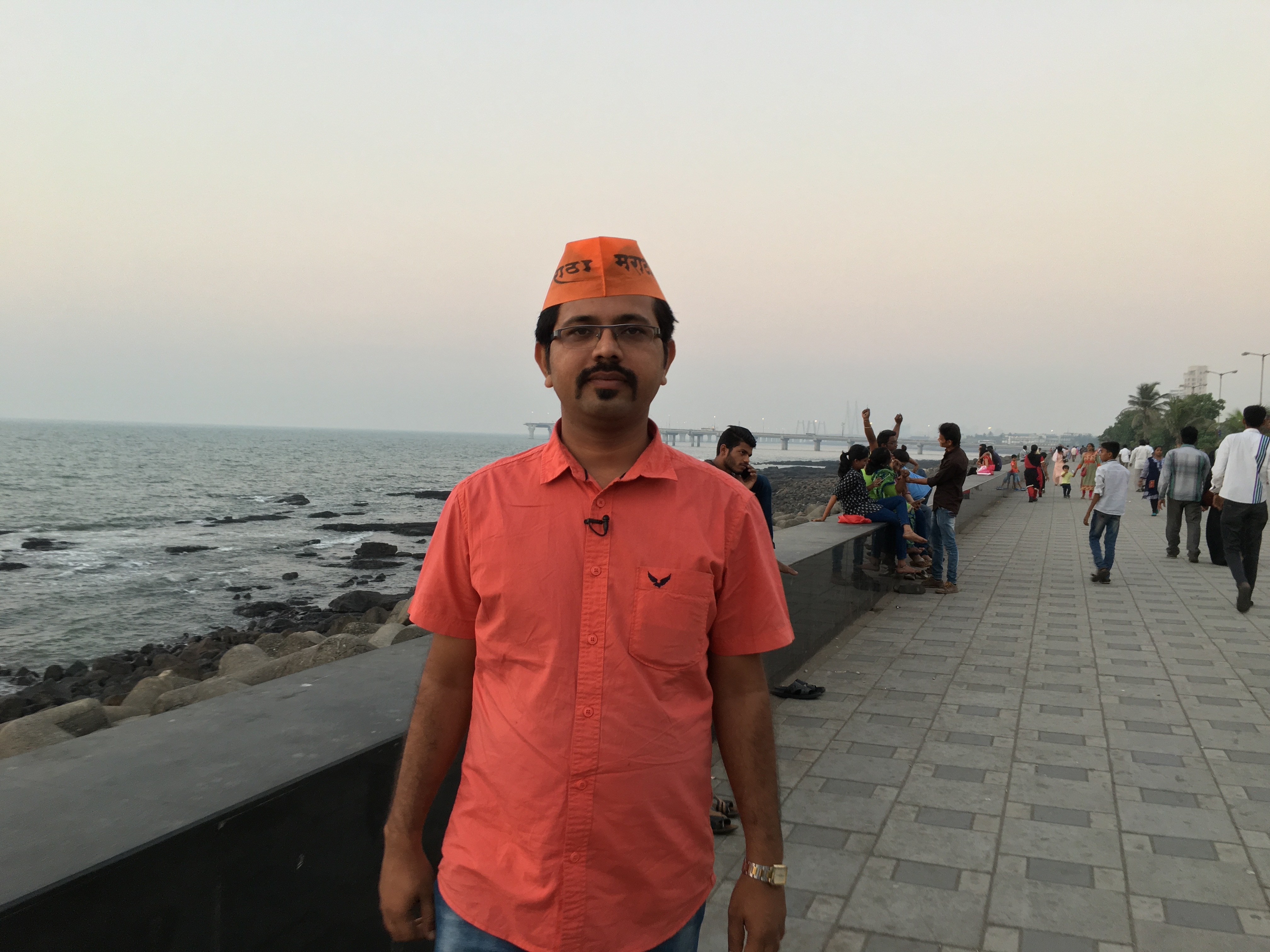
Bhaiya Patil, a member of the Maratha community is in his late 20s. He is also one of the main organisers of the Maratha Kranti Morcha. Patil manages social media and outreach for the organisation. “Our main demand is related to the rape incident that took place in Kopardi. We want the accused to be hanged at the earliest,” he tells BloombergQuint.
Patil is referring to the alleged rape of a teenage Maratha girl by three Dalit men in July this year. This seems to have been the trigger for the silent marches all over Maharashtra.
And it's had some sort of a domino effect because the protesters are now asking for the amendment of the Scheduled Caste and Tribes (Prevention of Atrocities) Act of 1989 – a legislation enacted to protect discrimination against members of the scheduled tribes and scheduled castes.
Patil feels that the law is being misused to file fake cases against the Marathas and OBCs by the Dalits.
He clarifies, “Some sections of the media have been wrongly saying that we want the entire act scrapped but the Maratha Kranti Morcha is only calling for its amendment. If someone is doing something wrong against the Dalits, then they should receive the strictest punishment. But if the law is being misused, then that should stop.”
Where Are My Reservations?
Justice for Kopardi and the Atrocities Act aren't their only grouses. The Maratha protesters have another key demand. Something that has been promised to them for years, was granted and then rescinded – reservations.
The Marathas had enjoyed the reservation facility till the year 1965, which was suddenly revoked by the past government. Even the Bapat Commission was not in favour of reservation.Devendra Fadnavis, Chief Minister, Maharashtra
In the run-up to the 2014 Maharashtra Assembly elections, the previous Congress-NCP government had issued an ordinance on July 11, 2014 allowing 16 percent reservation for Marathas and 5 percent for Muslims in government-run schools and colleges as well as jobs.
The matter didn't end there. The reservations were stayed by the Bombay High Court which opined that the Maratha community could not be classified as backward.
The Supreme Court has also previously ruled that all caste-based reservations in the state cannot exceed 50 percent. Since that limit has already been exhausted in Maharashtra, the Marathas would have to be granted reservations at the cost of the other backward castes, those that might genuinely be in dire need of reservations.
In 2016, the Supreme Court rejected a petition filed by an activist for expeditious disposal of the Maratha reservation matter, which was pending at the Bombay High Court. But, the apex court refused to entertain the plea and suggested that the petitioner should approach the Bombay High Court instead.
In December this year, the Bombay High Court decided to club a bunch of petitions related to the Maratha reservations and hear them only after January 30, 2017.
Over the years, Marathas have maintained that only a handful of them are wealthy and influential and that a significant majority of them are indigent and jobless. Patil says, “Maharashtra has been dry for 3 years and most Marathas are farmers. Now, the youth don't have jobs and unemployment is rampant. We are not adequately represented. Things are getting expensive and our youth can't afford it and so, we want representation in jobs and education.”
Recently, at the Bombay High Court, the Maharashtra government tried to justify granting reservations to the Marathas. In its 2500 page affidavit, it contended that 80 per cent of the community are socially and economically backward.
It backed this claim with a report prepared by the Pune-based Gokhale Institute on various segments of the community including sugarcane cutters, migrant labourers, head loaders, maids and servants.
The (Maratha) Sound Of Silence
Akola, Nanded, Beed, Osmanabad, Aurangabad, Jalgaon, Nagpur and Mumbai – each of these Maratha protests have a few things in common. They were all attended by lakhs of people, were ostensibly leaderless and carried out peacefully. At all rallies, girls lead and are followed by women. Men follow thereafter and any members of political parties are relegated to the back of the rally.
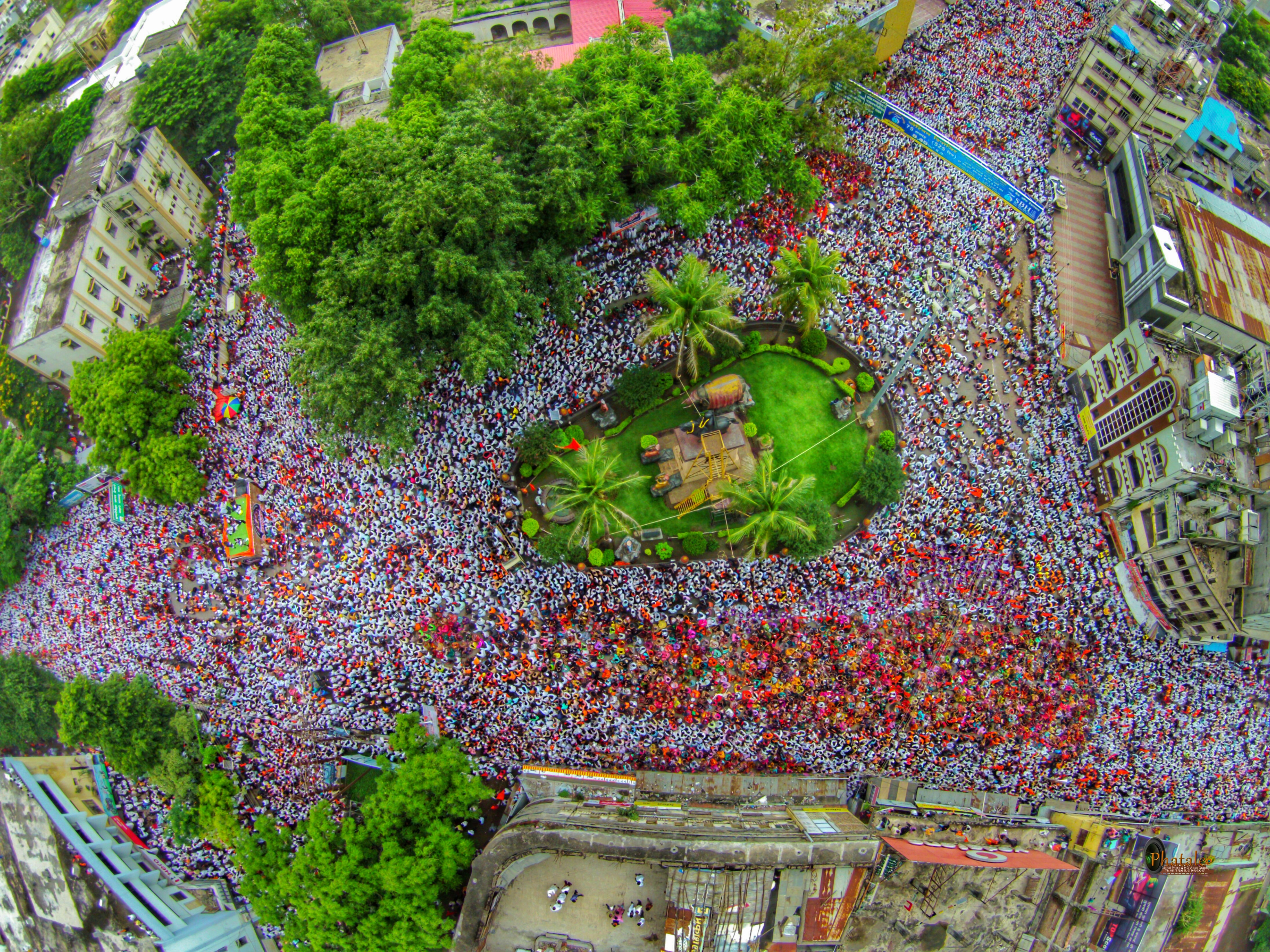
Patil says, “10,000 Gujjars brought Delhi to a standstill. During our Maratha agitation, people come in lakhs to protest. So, we can do anything. But, we don't want to create chaos in the country like the others.”
He believes that the manner in which the Marathas are protesting is what sets them apart and immunises them from arrest. To firmly cement his point, he cites the example of how the establishment has brought the Patidar agitation in Gujarat to a halt owing to its aggressive stance and how its leader Hardik Patel has been sent to political exile.
Even our silent protest is tearing the government's eardrums.Bhaiya Patil, Maratha Kranti Morcha
Ever since the state of Maharashtra was formed, more than half of its 18 chief ministers have been Marathas. In 2014, the BJP government decided that a Brahmin, Devendra Fadanavis would become the chief minister of Maharashtra. When asked if this appointment exacerbated the situation for the Marathas, Patil is quick to dismiss any political overtones to the agitation. He says that the Marathas have been protesting for nearly two decades now and have also protested against the Congress-NCP government. But, he also confesses, “We do indeed feel like the current government isn't paying attention to us anymore.”
(With inputs from PTI)

-
India's Troika Of Good Luck | Joining The Dots

A weaker Trump, a cooling AI trade and resilient earnings have put Indian markets back in favour. Rising inflation could spoil the party.
-
Talking Points This Week: Leadership Shock At Nvidia, Earnings Strength, And The Fog Over Hormuz
The Anthropic IPO pricing and first trading day, Nvidia's upcoming earnings, and any fresh signals from Iran will set the tone for the following week.
-
Signature Play: The Classic Cocktail Is Dead. Or Is It?
Classic cocktails are disappearing from India's cocktail menus. But they're still being ordered, taught to bartenders and borrowed from. So, who's really having the last drink?
-
A New Samvat Wishlist: Inclusive Prosperity And Human Development
India has strengthened its economic foundations through infrastructure, digital access and enterprise. Its next growth chapter must deepen productivity, create better livelihoods and widen participation in prosperity.
-
Love, Sex Aur Dhokha: The Audacious Plot To Spy On Jensen Huang
A Taipei dinner, a Singapore chip buyer and a suspected Chinese asset: inside the alleged spy operation that got close to NVIDIA's Jensen Huang.
-
Ten Things I Learnt This Samvat
Patience can be a trap. Cheap stocks can stay cheap. Leverage can wipe you out. What did Samvat 2082 teach us? Niraj Shah writes on 10 lessons from the year gone by.
-
Talking Points This Week: Tech Nerves, FII Buying, And A Faraway Banking Shock
The global markets are not shining this Diwali. The exception in the large markets is, India.
-
Midterm Rally Lasted A Day. The Hard Reality Of A Divided US May Last Two Years | Opinion
Between a contested AI boom, a debt ceiling that arrives in 2027 and a president with every incentive to act alone, the next two years may prove more volatile than the first day's rally suggests.
-
Blue Wave Will Derail the AI Trade but Won't Dismantle the AI Era | Unhedged Position
The Democrats' sweep of the US Congress will see politics collide with economic forces both over the long and short term.
-
It's Time To Take The GST Council's Bet On Trust Global
Payment records can prove India's services exports, and clear, proportionate rules can bring foreign digital sellers into the tax net.









