One Year Of GST: Why Are Taxpayers Being Denied Transition Credit?
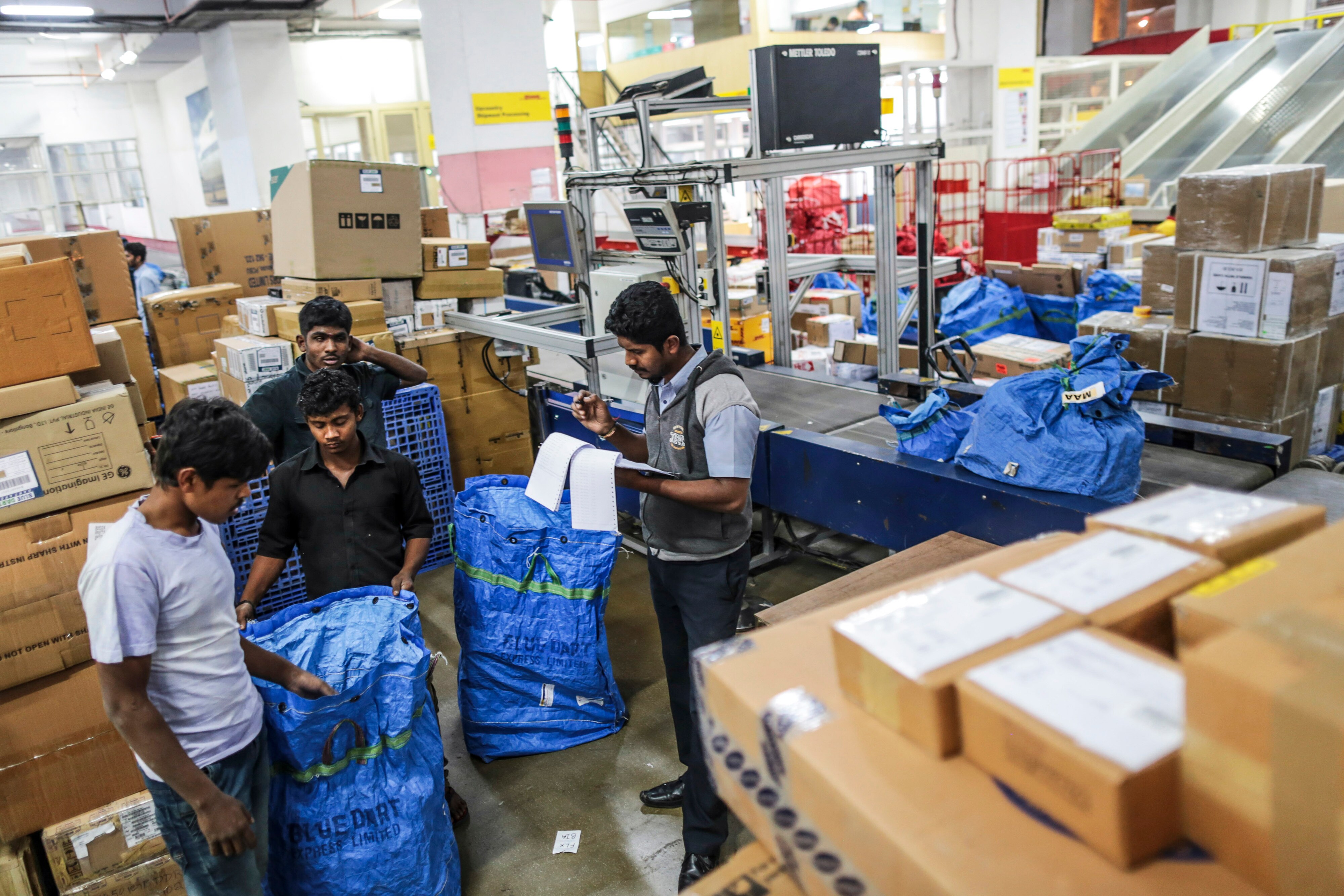
As the Goods and Services tax regime neared one year of implementation on July 1, the high courts, the Authority for Advance Rulings and the revenue department got busier. Thanks to the litigation that experts say pertain to three key areas – transition credit, uncertainty on the law that is prompting taxpayers to approach the AAR and allegations of profiteering by consumers against manufacturers.
In this first part of the special series on GST litigation on BloombergQuint's weekly law and policy series- The Fineprint- Badri Narayanan, partner at Lakshmi Kumaran & Sreedharan, explained why transition credit has become a contentious issue.
Transition Credit Troubles
For a smooth transition from value-added tax, excise and service tax regime to GST, the government had allowed taxpayers to avail input tax credit on transition goods. For instance, a manufacturer could avail of credit for goods sold in the GST regime but on which VAT had been paid. The closing balance of credit in the books of companies was also permitted to be used against GST liability. To claim this transition credit, taxpayers had to file Form Tran 1 before December 2017. It is the amounts claimed in this form that the tax department is now contesting, Narayanan said.
This is because of certain lacunas in the law. For instance, under the pre-GST regime, credit on capital goods wasn't available if the output tax was zero. But under GST, supplies- that are being manufactured using these capital goods- are now taxable. Taxpayers are saying it's wrong for you to deny me the credit- at least the proportionate portion of the capital goods credit- when I'm actually paying tax on the output. This is especially pronounced for places that enjoyed area-based exemptions.Badri Narayanan, Partner, Lakshmikumaran & Sridharan
Another area that is being litigated is transfer of credit attributable to cesses. The law allows for transfer of CENVAT (central VAT) credit from earlier regime to GST, Narayanan explained. CENVAT consists of a variety of taxes- major ones being excise and services tax- but it also includes taxes like education cess, etc. Since all cesses are now subsumed under GST, the department has taken a view that credit of education cess cannot be carried forward, he added.
Let's say there's an automobile company. Considering how big your output is, this number in absolute terms can be quite big. And some sectors that saw an increase in rates, before they were reduced in November, for them this credit is extremely useful to discharge their GST liability.Badri Narayanan, Partner, Lakshmikumaran & Sridharan
The litigation is also on account of calculation errors but that's easier to ascertain and resolve, he pointed out. But if the department's view prevails – on law and on the calculations- it could mean additional GST liability for taxpayers in the second year of GST regime.

-
Getting To Work Costs Women More | The Reason Why

It is not just about women paying more than men. It is about women paying much more in cities than in villages.
-
AI Bias In Investing Cannot Be Eliminated, But It Can Be Governed
Framing is a particularly important example as identical financial information presented in terms of gains rather than losses can lead an LLM to reach a different assessment.
-
Joining The Dots | Dark Skies, Steady Diya: Why Hope Holds This Diwali
With war, a weak rupee and foreign outflows weighing on sentiment, policymakers at the NDTV World Summit and market veterans at NDTV Profit Ignite: Diwali Edition offered the same advice: stay invested and filter out the noise.
-
The Curious Case of Equitas Small Finance Bank And A CEO Who Quit For Stock
PN Vasudevan believes persistent investor concerns over a perceived conflict of interest had become a governance overhang on Equitas Small Finance Bank's stock, even as the lender improved profitability and asset quality.
-
Talking Points This Week: AI Cash Burn, A Tiger Comeback And An India That Still Finds Its Own Path
India is not immune to higher oil or tighter global liquidity, yet its earnings base is broader, its domestic policy levers are still available.
-
Foreign Investors Own Half Of HDFC Bank and ICICI Bank. An LTCG Cut Could Matter Most Here
Foreign portfolio investors have US$115 billion parked in HDFC Bank, ICICI Bank. If the government cuts long-term capital gains tax, Jefferies says returning foreign money could land here first.
-
'Never Seen This Level Of Negativity': Sandeep Tandon Says The Next Rally May Be Closer Than You Think
Veteran investor Sandeep Tandon says foreign selling is easing, large-caps are due a comeback and mid-caps are crowded, while he turns positive on gold, power and pharma this Diwali.
-
Indians Stay With Family, Not In Hotels | The Reason Why
India still lacks enough clean, reliable and affordable hotels for budget-conscious travellers.
-
The Economic Imperative: Analysing The Material Driving Force Behind India-Canada Strategic Reset
This economic complementarity is further reinforced by deep institutional investment ties and talent mobility, which form the bedrock of the bilateral framework.
-
Medicine Pricing: Where Must Profit Stop?
India must confront excessive margins, hidden incentives and regulatory gaps that threaten the integrity of medicine.










