November GST Collection Moderates To Rs 1.7 Lakh Crore As Lower Tax Rates Reflect
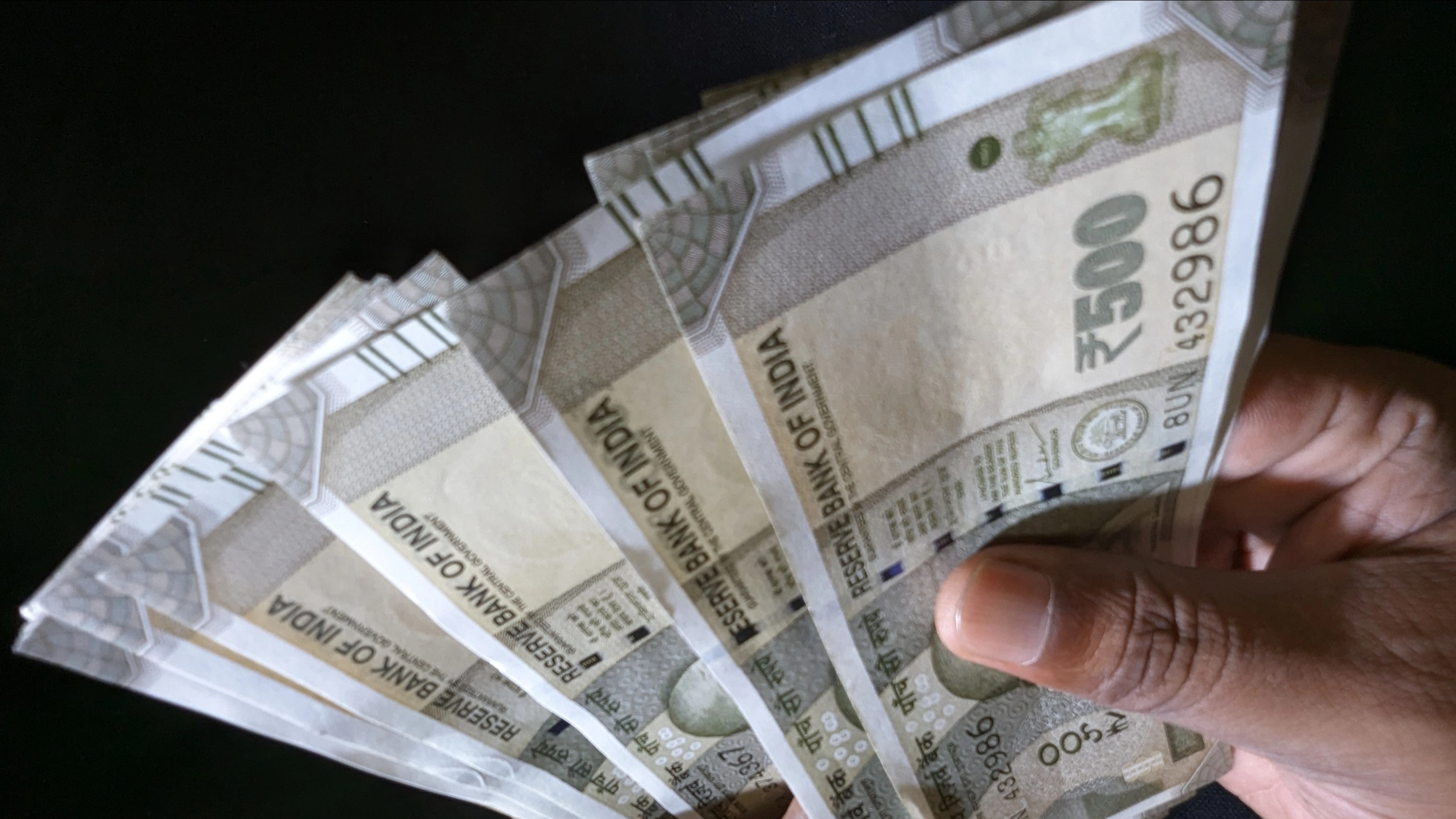
India's gross goods and services tax (GST) collections came in at Rs 1.7 lakh crore in November, lower as compared to Rs 1.95 lakh crore in the preceding month, as the impact of rate rationalisation came fully into effect.
On a year-on-year basis, the collection has risen marginally by 0.7%, showed the official data released on Monday.
The Central GST collection in November stood at Rs 34,843 crore, up as compared to Rs 34,141 crore in the year-ago period. However, State GST dipped to Rs 42,522 crore from Rs 43,047 crore, and Integrated GST declined to Rs 46,934 crore from Rs 50,093 crore.
The net GST collections in November were up by a modest 1.3% to Rs 1.52 lakh crore. In the year-ago period, it stood at Rs 1.5 lakh crore.
This uptick was contributed by a decline in refunds availed by the taxpayers in November. The refunds issued during the month amounted to Rs 18,954 crore, down 4% as compared to the year-ago period.
Notably, India implemented the biggest GST reform in September, by slashing the tax slabs from four to two. The slabs of 12% and 28% were eliminated, and most taxable items were brought in the 5% and 18% slabs. An additional slab of 40% was created for select "sin" or luxury goods.
The GST 2.0 was rolled out on Sept. 22, ahead of the festive season. However, October tax collections were up 4.6% to Rs 1.95 lakh crore, owing to the higher consumption in the period around Diwali.
Also, the full effect of GST rationalisation across most sectors was felt in November, which could have contributed to the moderation in collections as compared to October, analysts say.
Cess collections in November dropped to Rs 4,006 crore, less than a third of Rs 12,950 crore in the same month last year. This decline is largely due to the elimination of compensation cess under GST 2.0.
"Previously, the compensation cess collection was also included in the GST collection data. However, present data has treated cess separately, and if the cess is also considered as a part of gross domestic GST collection, the numbers would show a further dip. This is because the cess collection has reduced by two-thirds, mainly due to only tobacco now being subject to the cess, and other items like aerated beverages and motor vehicles going outside its ambit," said Karthik Mani, Partner- Indirect tax at BDO India.

-
A New Samvat Wishlist: Inclusive Prosperity And Human Development

India has strengthened its economic foundations through infrastructure, digital access and enterprise. Its next growth chapter must deepen productivity, create better livelihoods and widen participation in prosperity.
-
Love, Sex Aur Dhokha: The Audacious Plot To Spy On Jensen Huang
A Taipei dinner, a Singapore chip buyer and a suspected Chinese asset: inside the alleged spy operation that got close to NVIDIA's Jensen Huang.
-
Ten Things I Learnt This Samvat
Patience can be a trap. Cheap stocks can stay cheap. Leverage can wipe you out. What did Samvat 2082 teach us? Niraj Shah writes on 10 lessons from the year gone by.
-
Talking Points This Week: Tech Nerves, FII Buying, And A Faraway Banking Shock
The global markets are not shining this Diwali. The exception in the large markets is, India.
-
Midterm Rally Lasted A Day. The Hard Reality Of A Divided US May Last Two Years | Opinion
Between a contested AI boom, a debt ceiling that arrives in 2027 and a president with every incentive to act alone, the next two years may prove more volatile than the first day's rally suggests.
-
Blue Wave Will Derail the AI Trade but Won't Dismantle the AI Era | Unhedged Position
The Democrats' sweep of the US Congress will see politics collide with economic forces both over the long and short term.
-
It's Time To Take The GST Council's Bet On Trust Global
Payment records can prove India's services exports, and clear, proportionate rules can bring foreign digital sellers into the tax net.
-
Opinion | India at 38: From Innovation Overperformer to Innovation Powerhouse
India now has 453 VC-backed deep science startups, 18 of them late-stage, after 117 percent growth since 2020. Laurus Labs, at USD 9.3 billion, is the most valuable deep science company in any middle-income economy outside China.
-
Navigating Energy Crossroads: S Jaishankar's Call For Diversified Supply Chains At G20 Ministerial Meeting
As geopolitical fault lines continue to test maritime trade routes and commodity flows, Jaishankar's message remains pertinent: true economic resilience requires open markets, protected transit lines, and a genuine commitment to multilateral cooperation rather than coercion.